A Chance for Peace on the Korean Peninsula and Beyond
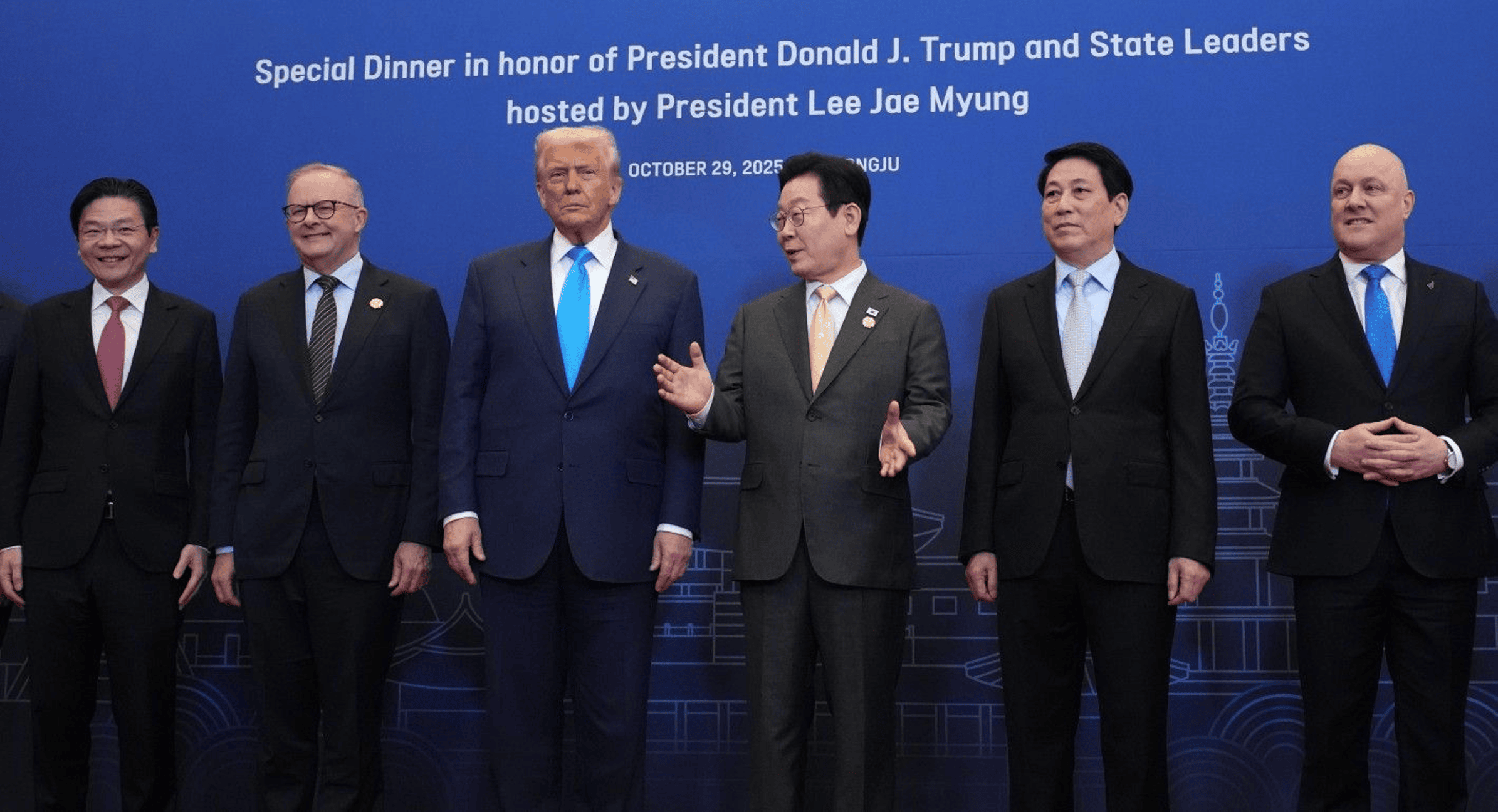
Signs that direct talks between the United States and North Korea may resume are raising hopes for peace on the Korean Peninsula. The two sides have not held direct dialogue since the Hanoi summit collapsed in 2019, a gap of nearly seven years.
During his second term, President Trump has repeatedly said he is willing to talk again. He has called North Korean leader Kim Jong Un “a smart guy” and said “we can meet again.” He has also recently spoken of “dialogue without preconditions,” setting aside denuclearisation as a requirement for talks. That shift marks a departure from his earlier approach, and it has drawn close attention to how Pyongyang will respond.
A Summit as a Possible Breakthrough
The Trump administration is under pressure to show concrete diplomatic results as it moves into the middle of its term. With the US midterm elections expected to go poorly for the president, some analysts argue he could push for a sudden summit with Kim to regain political momentum and rally his base.
For Trump, a meeting with the North Korean leader would be a powerful symbol, one that could secure his legacy in the second half of his term and reinforce his image as a “peacemaker.” Rather than a sweeping “big deal” like those of the past, such a summit would more likely launch a “managed agreement” that freezes North Korea’s nuclear and missile development and sets rules to prevent accidental clashes. That would be a meaningful step toward lowering security risks in Northeast Asia.
Why the Summit Matters to North Korea
For Pyongyang, resuming talks with Washington offers a rare chance to escape deepening isolation and strengthen the regime’s stability. The benefits include:
- Recognition of its nuclear status: Sitting down as equals with the leader of the world’s most powerful country would signal that North Korea’s nuclear and missile advances are acknowledged on the global stage. The regime could then use that recognition to rally loyalty and reinforce its propaganda at home.
- Greater diplomatic independence: With its ties to Russia and China growing closer, North Korea could avoid being overly dependent on either neighbour and raise its strategic value to all three powers.
- A stronger hand on the Peninsula: High-level talks would let Pyongyang reshape the political landscape and reassert its central role in Korean Peninsula affairs, backed by greater bargaining power with the United States.
What Comes Next
Renewed talks would not only affect the Peninsula. They could also ease tensions across the wider Asia-Pacific region. The international community is hoping North Korea will set aside its isolationist stance and step into dialogue as a sign of change.
Given rising nuclear and missile threats and shifting alignments with Russia and China, practical security management on the Peninsula is only possible if North Korea engages with flexibility and initiative. From Cambodia’s perspective, talks held around the APEC summit in November could foster a climate of peace across the region and help ease tensions linked to the Cambodia-Thailand border dispute.
Conflict management and a shared mood of dialogue among major powers provide a solid foundation for neighbouring countries to resolve territorial and border disputes peacefully and build regional stability.
The meeting between the two leaders is most widely expected to take place around the APEC summit in Shenzhen, China, in November 2026. Several options are being discussed, including a separate summit held alongside multilateral events, a neutral third-country venue, or even a visit by President Trump to Pyongyang. Kim Jong Un is likely weighing a difficult decision, since continuing to ignore US offers of dialogue brings no practical benefit.
In short, the Korean Peninsula is caught in a complex security crisis marked by escalating nuclear threats and overlapping geopolitical rivalries. To move this dangerous standoff toward dialogue, the opportunity offered by the November APEC summit must not be wasted.
We sincerely hope that Washington and Pyongyang can find common ground, and that North Korea will answer the international community’s expectations with a more open attitude. That would pave the way for reduced tensions on the Korean Peninsula, peaceful coexistence across the Asia-Pacific, and lasting global peace.