SMEs Urged to Make Packaging Locally to Lower Costs
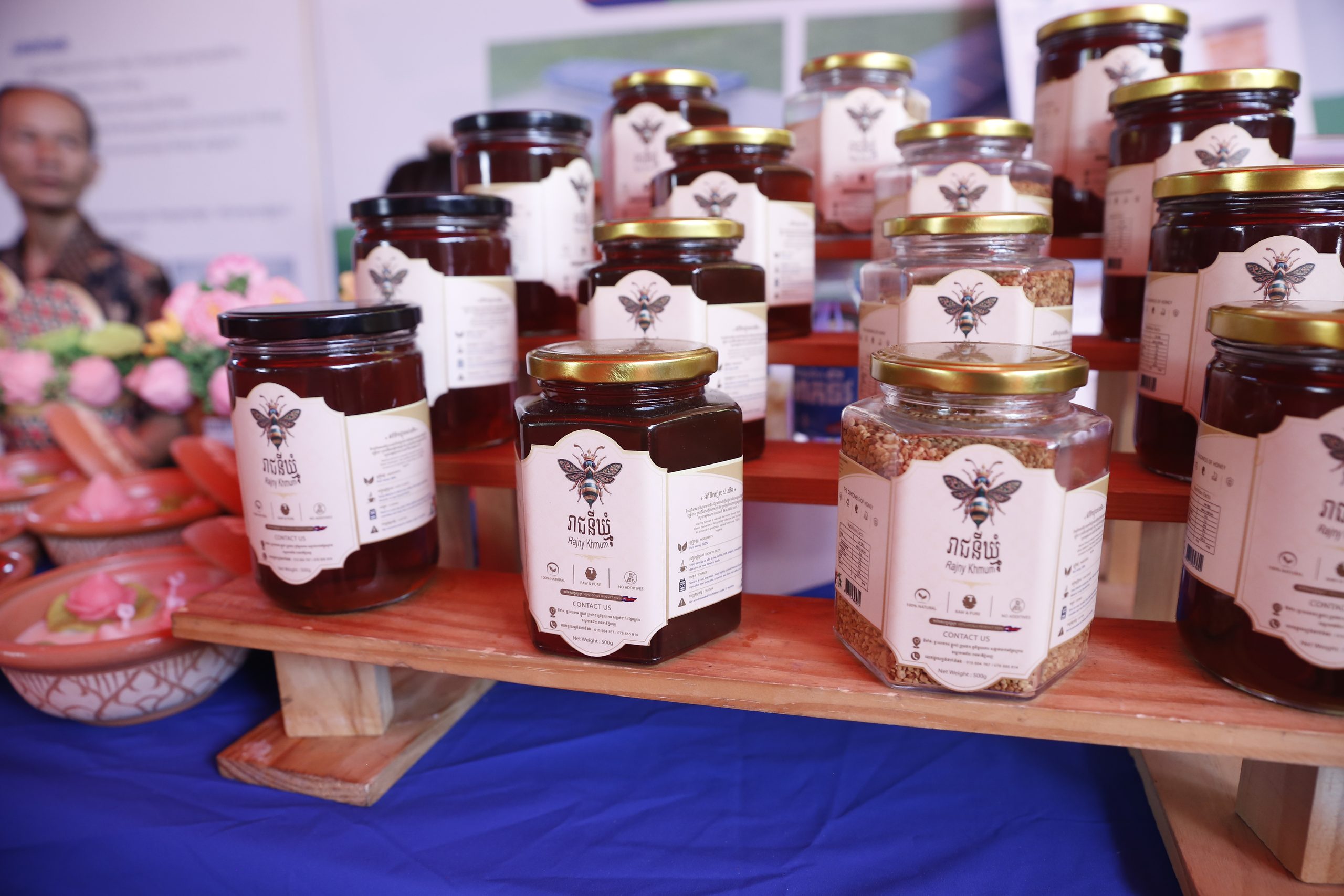
Te Taing Por, head of the Federation of Associations for Small and Medium Enterprises of Cambodia (FASMEC), is calling on the government to help build up domestic production of packaging materials. He argues that because Cambodian manufacturers depend on imported packaging, their costs rise and they struggle to compete on price.
At a press conference on November 10 held at FASMEC's headquarters, Por said Cambodian businesses still buy most of their packaging from Vietnam, Thailand and China. He said the federation plans to take the matter to the government and look for ways to grow local supply.
Por pointed to electricity costs as a key obstacle. High power prices, he said, make it difficult for local packaging producers to earn a profit. Smaller firms also face higher unit costs when they import raw materials and supplies in small quantities.
“The private sector finds it hard to make money when electricity is this expensive,” he said.
He also noted that packaging strongly influences how shoppers see a product on store shelves. Manufacturers in China, South Korea and Japan, he said, invest heavily in attractive packaging to make their goods stand out.
Kunthea, who distributes Cambodian products and handicrafts, told the event that the packaging and boxes available locally still fall well short of what manufacturers need. She encouraged investors to consider opening factories that make these materials, along with other inputs that businesses currently have to import.
“We have been raising the problem of high production costs for more than ten years,” she said, adding that most companies still place their orders individually.
Until local supply improves, Kunthea suggested, businesses could combine their orders to negotiate lower prices per unit. Over the longer term, she said, domestic factories could provide a more reliable source of materials.
Another manufacturer at the conference said some bottles and labels are made locally, but the choice is limited. He noted that customers recognise the quality of Cambodian-made goods, yet some hold back after comparing prices with imports from neighbouring countries.
The comments came ahead of the fourth Cambodian product exhibition, which runs from November 20 to 22 at Koh Pich in Phnom Penh. Por said the event will host more than 300 booths and over 100 product types, giving manufacturers a chance to meet wholesalers and distributors.
Por said FASMEC will raise businesses' concerns about costs and supply with relevant institutions and investors. He also urged companies to cooperate in buying materials at competitive prices, which he said would help them compete both at home and abroad.