Francophonie Chief Puts Peace and Shared Prosperity at the Centre of Phnom Penh Summit
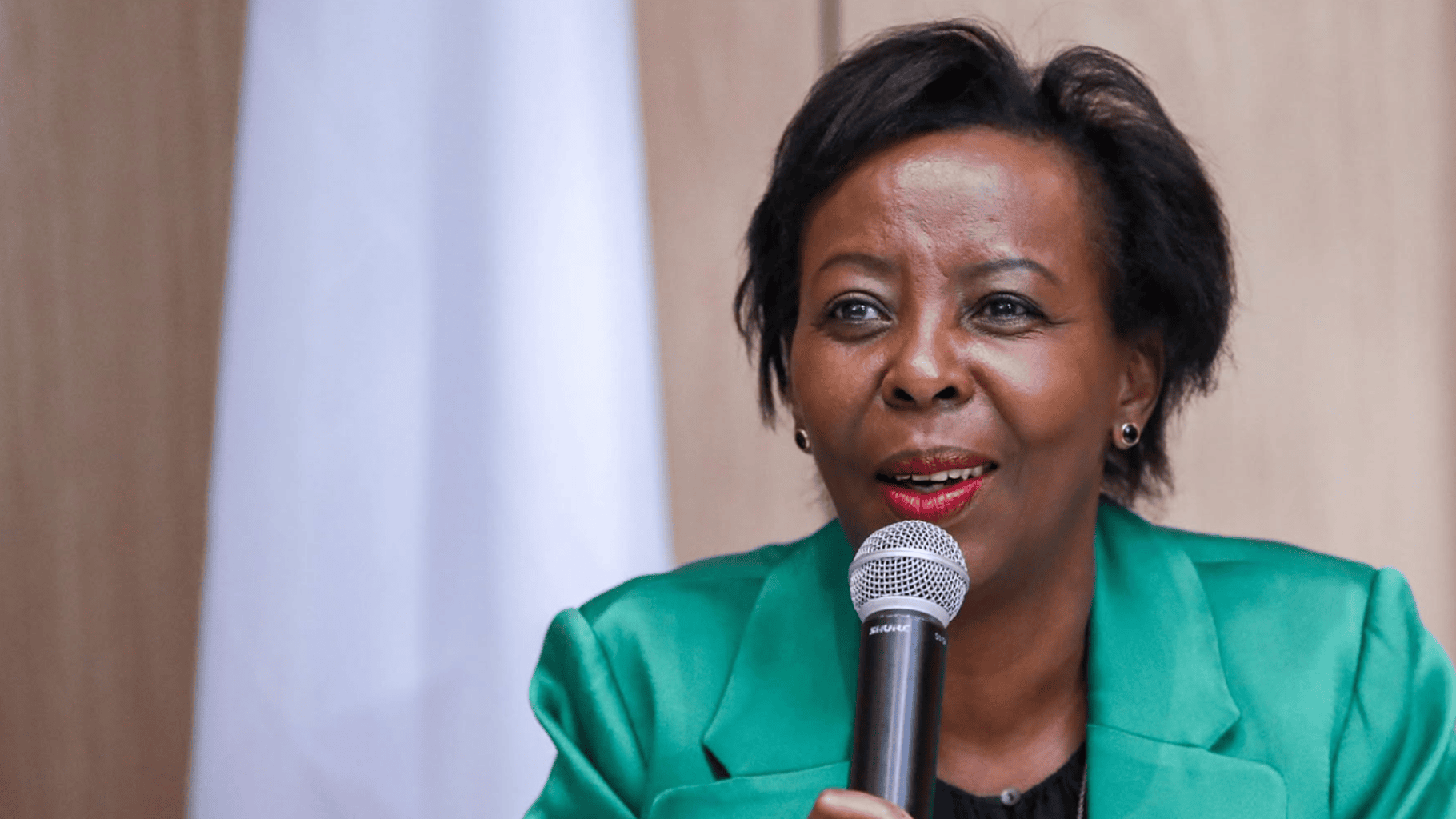
Louise Mushikiwabo, Secretary-General of the Organisation internationale de la Francophonie (OIF), is calling for more investment in peace, dialogue and shared prosperity. She warned that the world is facing long-running conflicts, a weakening multilateral system and falling trust between states, as the organisation prepares for its 20th summit in Phnom Penh.
In an editorial published ahead of the summit, which takes place on November 15 and 16, Mushikiwabo said the world has changed significantly since the previous summit in Villers-Cotterêts, France, two years ago. Some conflicts have dragged on, and international cooperation now faces mounting obstacles.
Against this backdrop, the organisation chose the theme “Investing in Peace for Shared Prosperity and Lasting Stability.” Mushikiwabo stressed that keeping the peace takes constant effort and commitment. “Peace is built slowly, can be lost quickly, and needs attention every day,” she wrote. She also asked whether it really needs saying that peace is always cheaper than war.
She acknowledged that the Francophonie cannot end armed conflicts on its own. However, she argued that it plays an important role in bringing countries together so they can keep talking, even when they disagree. In her words, the organisation has developed a rare skill: getting countries to sit at the same table, where they can still find a way to communicate despite their differences.
Over the past two years, the organisation has carried out 27 missions to support elections and has helped member states tackle disinformation. Its civil registration project has also helped more than one million people obtain legal identity documents. Mushikiwabo described each registered birth as a step toward recognising another citizen, and framed these efforts as investments in people’s wellbeing and in stability.
Mushikiwabo also highlighted the role of young people and women in driving economic growth. The Francophonie’s 396 million French speakers live largely in countries with young populations. She warned that growth which leaves these groups behind soon loses its momentum, and that prosperity only means something when it is shared.
She thanked Cambodia’s government and people for hosting the summit, which marks the Francophonie’s return to Asia for the first time in nearly 30 years, since the Hanoi Summit. She also recalled Cambodia’s historic ties to the organisation through the late King-Father Norodom Sihanouk, one of its four founding fathers.
Drawing on a natural phenomenon, Mushikiwabo noted that each year, at the end of the rainy season, the Tonle Sap River reverses direction and flows back toward the Mekong. She used this as a metaphor for the possibility of changing the course of history. “May this summit remind us that no path is fixed, not even the path of history,” she said. “In Phnom Penh, the great Francophone family will steer it firmly towards peace.”
Cambodia is hosting the summit for the first time in its history. It will bring together heads of state and government from the organisation’s 90 member states and governments across five continents.
Prime Minister Hun Manet said Cambodia’s ties to the Francophonie go back to its founding in 1970, when Cambodia joined other founding states in supporting an international organisation built around the French language and cooperation among its speakers. He explained that Cambodia’s bid to host the summit reflected the country’s long-standing commitment to the organisation, a commitment carried forward by previous governments led by his father, former Prime Minister Hun Sen.
In a message marking the occasion, Manet said Cambodia was proud to host the 20th summit, which he described as the largest international gathering ever held in the country. “We hope to show our guests the modern nation it has become after years of darkness,” he said.
He added that the summit’s theme reflects the aspirations of the Cambodian people: to live in peace, maintain friendly relations with all countries, and pursue economic prosperity as the foundation for social and cultural development. “Our goal is to live in peace, be friends with everyone and enemies with no one,” he said.