Francophonie Summit in Phnom Penh: A Welcome Shower After a Long Dry Spell
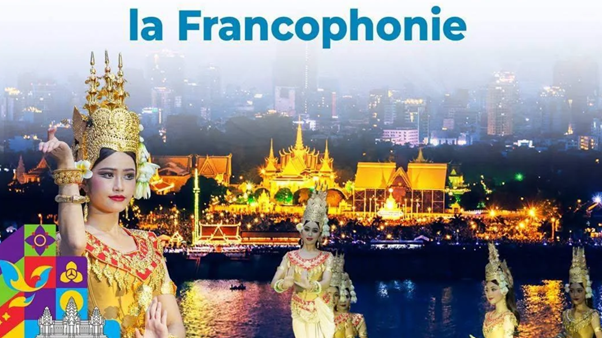
Cambodia is set to host the 20th Francophonie Summit in Phnom Penh on November 15–16, bringing together heads of state and government from across the Francophone community. For Cambodia, the event is a chance to revive public interest in the French language.
French was once a leading language in Cambodia's schools and government offices, especially among senior officials, intellectuals and the highly educated. Over time, its influence has faded, the number of people who speak it appears to have fallen, and it has drifted further from the everyday lives of ordinary Cambodians.
Several forces explain this decline. Decades of internal conflict severely damaged the education system and weakened French teaching. Global economic change, the rise of digital technology and shifting job market demands have also pushed English to the top of many people's priorities. Meanwhile, Chinese has expanded its reach through growing economic, trade and investment ties.
Changes in France's role in international affairs, along with shifts in Cambodia's education priorities, have also played a part. French once held an important place in the curricula of secondary schools and public universities. Today, it is taught far less widely.
Think of the French language as a large tree that once offered generous shade but has endured a long drought. It is not dead. With water and careful attention, it can grow fresh green leaves again.
Even after this prolonged dry period, French remains firmly rooted in Cambodian society. Reviving it would mean building on existing foundations rather than starting from scratch. French influence can still be seen in education, law, architecture and some everyday expressions. Many older Cambodians still speak and write French fluently.
Looking ahead, the summit in Phnom Penh could mark a fresh start. It gives Cambodia a diplomatic stage to raise its international profile, and it opens a door to expanding French-language education and training for young Cambodians.
To make this happen, the French government and Francophone institutions should deepen their partnership with Cambodia. Useful steps include training teachers, offering scholarships, providing teaching materials and gradually introducing French instruction into more public schools.
Economic ties could help as well. Greater investment by French companies, including in manufacturing, may create demand for French-language skills and help restore the language's relevance in Cambodia.
Backing French does not mean downgrading English or Chinese. The better goal is a multilingual workforce that can open doors in education, employment, diplomacy and global competitiveness. In this view, language is a window that broadens our outlook and helps us appreciate the diversity of human civilisations.
In the end, the 20th Francophonie Summit may be like a welcome rain falling on land that has endured a long dry season. A single downpour can soften the soil and wake dormant seeds, but it cannot turn a tree that has gone without water for years into a thick green canopy overnight.
Reviving French in Cambodia follows the same logic. It requires steady care, investment and a long-term commitment. The summit may rekindle interest, but whether that interest lasts will depend on education, training and real opportunities to use the language in daily life.
The goal should be for the summit to be more than a brief shower that soaks in and vanishes. It should launch sustained work to nurture the French-language tree, whose roots have long run deep in Cambodian soil, so that it can produce new leaves and bear fruit for generations to come.
These views reflect one perspective. The key question is whether Cambodia and its Francophone partners can turn this moment into concrete action once the summit concludes.
The true value of any international event lies not in the grandeur of its opening ceremony, but in the legacy it leaves behind after the closing.