Over 500,000 Informal Workers Now Eligible for NSSF, With 2 Million Targeted by 2028
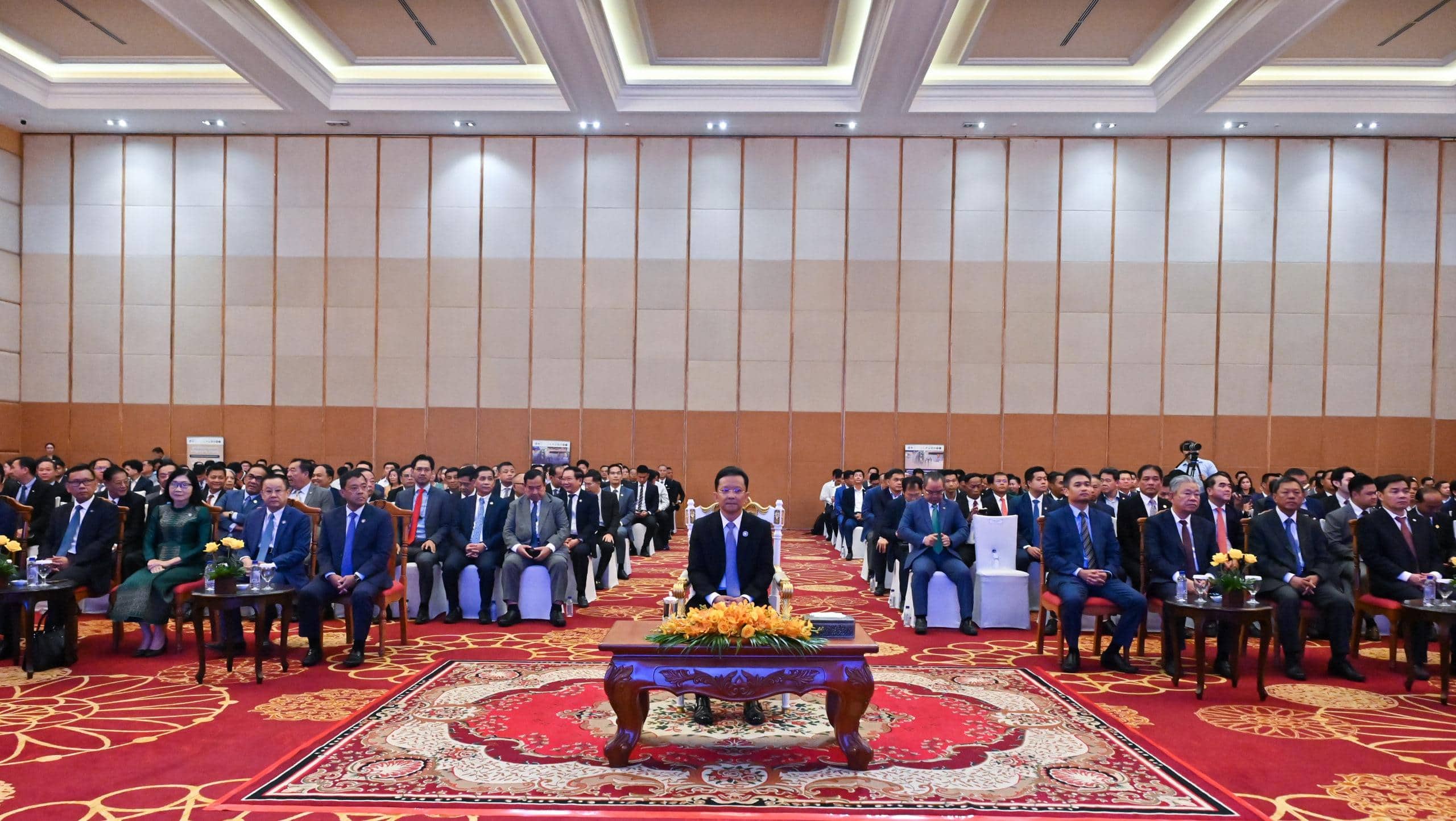
Cambodia has registered more than 500,000 people from the informal economy as of early November. Minister of Industry, Science, Technology and Innovation Hem Vanndy has set a goal of enrolling at least 2 million participants by 2028.
Vanndy chairs the Coordinating Committee for the Development of the Informal Economy. He announced the milestone on November 12 at a ceremony celebrating the 500,000 mark. He said the figure shows that the government increasingly recognises the contribution informal workers make to national development. He added that registration opens doors to social protection, vocational skills training and formal financial services.
Vanndy described the achievement as more than a statistic. In his view, it reflects the government's appreciation for the people who work in the informal sector and for their dedication to the wider economy.
As of November 6, the Cambodia Informal Economy Registration Platform (CAM-IE) had received 568,582 applications, and 532,247 of them had been approved. About 95 per cent of applicants signed up on their own, mostly through the mobile app. The 500,000th participant was Dun Thorn, a trader from Stueng Trang district in Kampong Cham province. Since the government launched the digital platform in December 2024, it has received an average of roughly 2,000 applications a day.
The National Strategy for the Development of the Informal Economy 2023–2028 guides the program. Under the strategy, the government and its partners have rolled out a growing set of benefits for registered participants, including:
- Easier access to the National Social Security Fund (NSSF) for self-employed informal workers
- Free insurance packages from Manulife and Phillip Capital Group
- Skills training vouchers worth $150 through the Skills Development Fund
- Vouchers worth one million riel for digital tools under the Enterprises Go Digital programme
- Free one-year access to the BillFlow invoicing software and the GoodVibes point-of-sale system, provided by Bill24
- Improved access to financial services and tax incentives
Vanndy stressed that reaching 500,000 registrations is only the beginning of the first phase. He called on government agencies, local authorities, financial institutions and development partners to deepen their cooperation, expand public outreach and design dedicated loan packages and technical support programmes. Such efforts, he said, should help registered workers improve their livelihoods, build more resilient businesses and take advantage of wider economic opportunities.