Opinion

Thailand's Strategy for Holding Onto Disputed Cambodian Territory
An opinion piece argues that Thailand's continued control of disputed border land, combined with stalled technical demarcation, threatens Cambodia's territorial rights. It calls for the agreed joint boundary process to resume.
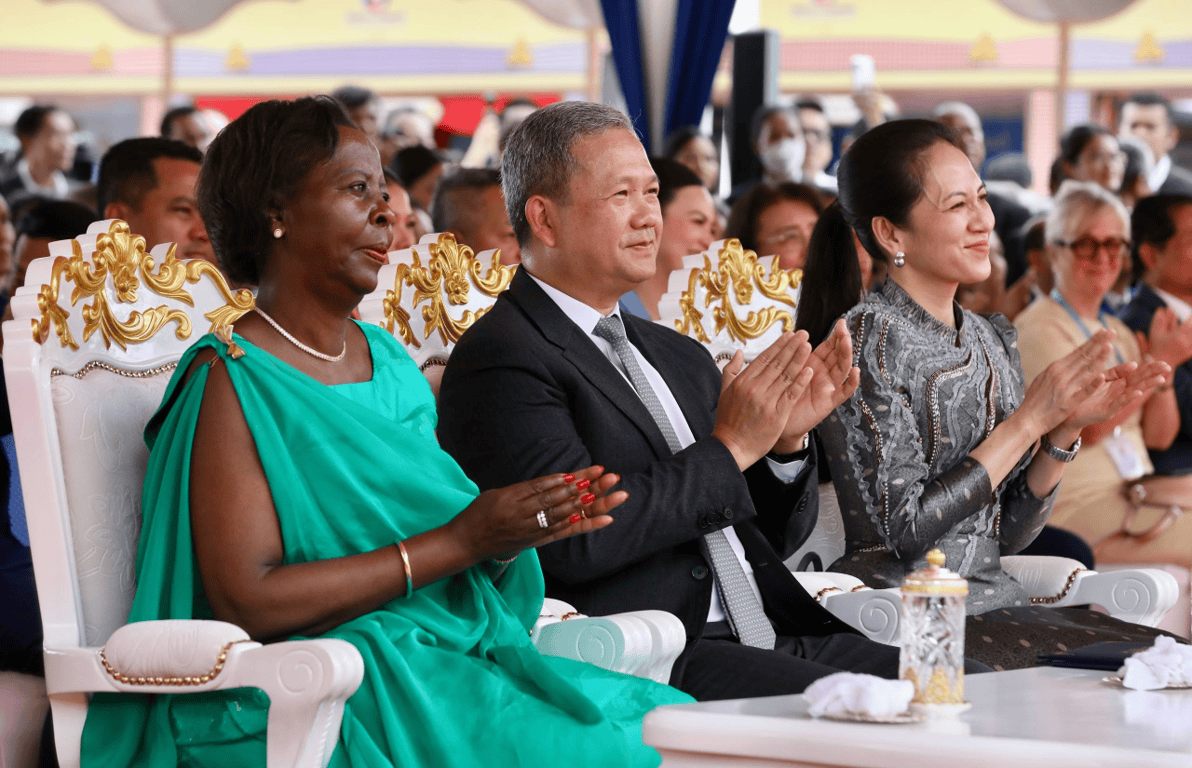
Peace Cannot Be Picky: Why the Francophonie Should Not Ignore the Cambodia–Thailand Conflict
Ahead of the 20th Francophonie Summit in Phnom Penh, this opinion piece argues that the organisation cannot claim to champion peace while ignoring the Cambodia–Thailand border conflict. It calls for civilian protection, respect for sovereignty and peaceful dispute resolution.
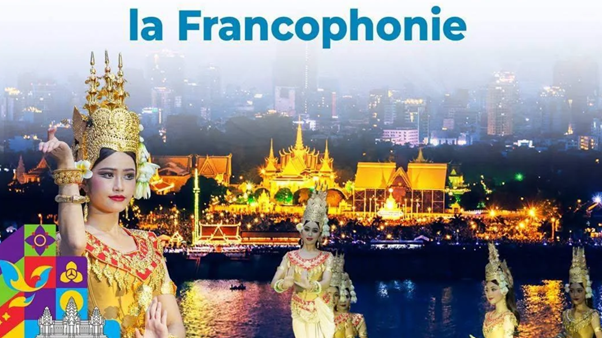
Francophonie Summit in Phnom Penh: A Welcome Shower After a Long Dry Spell
Ahead of the 20th Francophonie Summit in Phnom Penh, this opinion piece argues that the event could revive interest in French in Cambodia, but only with sustained investment in education and everyday use.

Turning Away From the Map, Afraid of the World: Thailand's Long Fixation on Cambodia
Thailand's efforts to keep its border dispute with Cambodia out of the international spotlight point to a fragile argument and a troubled historical record. This piece examines why Bangkok relies on an uninformed outside audience and how its past conduct along the frontier shapes that strategy.
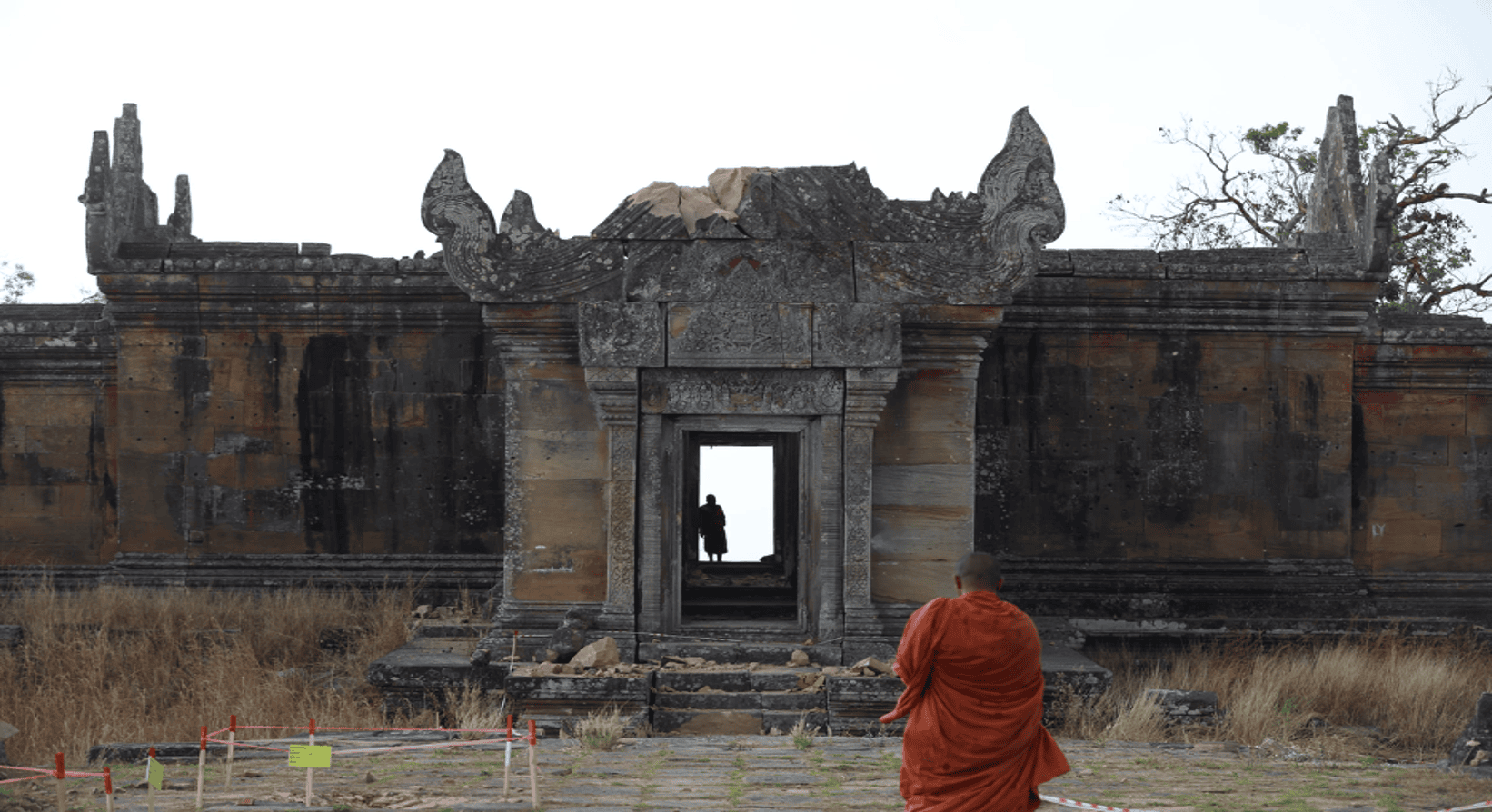
Beneath the Border Clashes: Why Cambodia and Thailand's Tensions Keep Returning
This opinion piece argues that unresolved territorial disputes, the politicisation of cultural heritage and the limits of ASEAN helped set the stage for the renewed Cambodia–Thailand clashes of 2025.
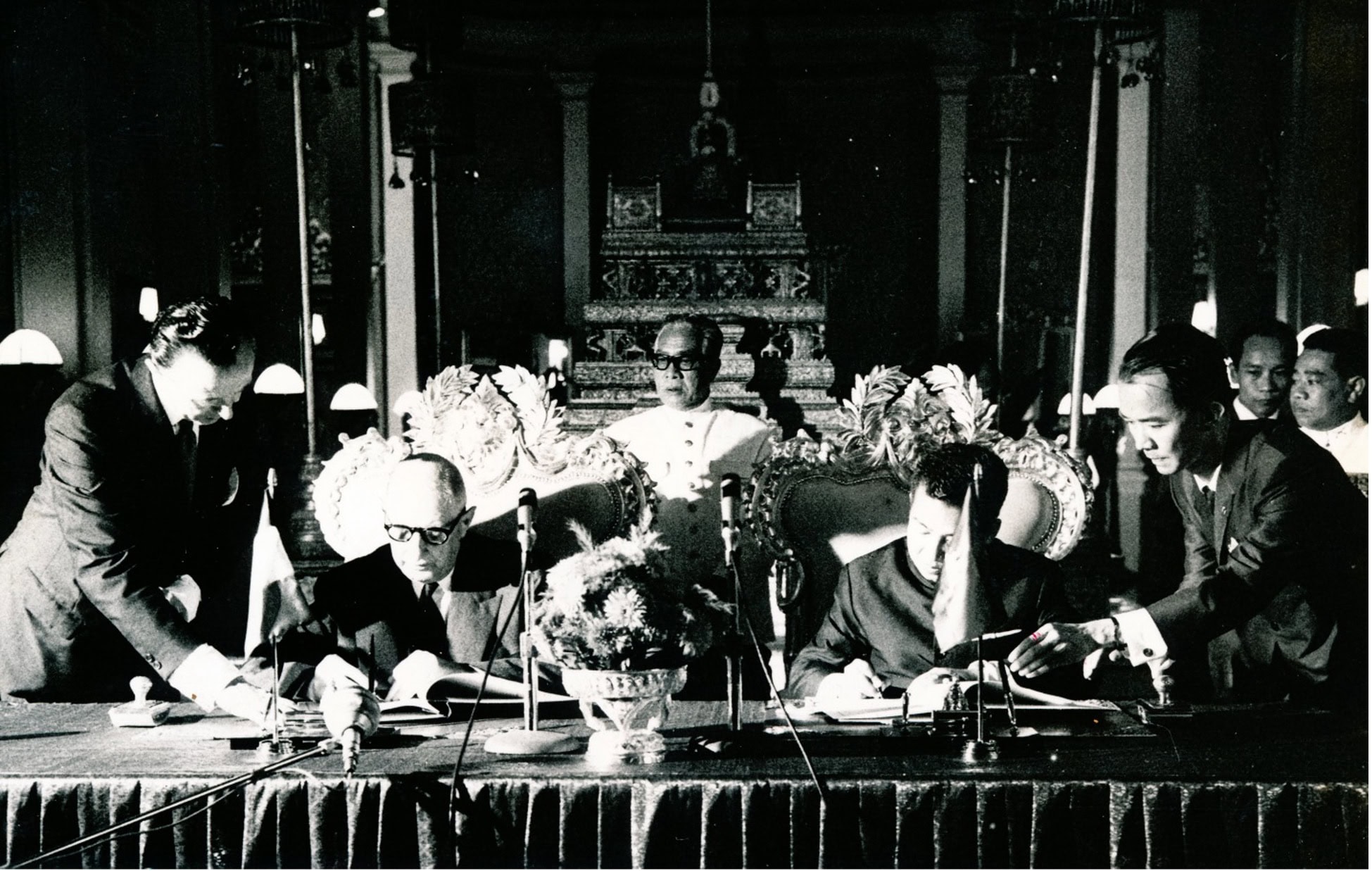
From Norodom Sihanouk to the Border Guards: The Ongoing Story of Cambodia's Independence
Cambodia's Independence Day recalls a history of struggle and sacrifice, and the ongoing work of protecting national freedom and identity. Its meaning reaches from the founding leaders to the citizens who guard the borders today.
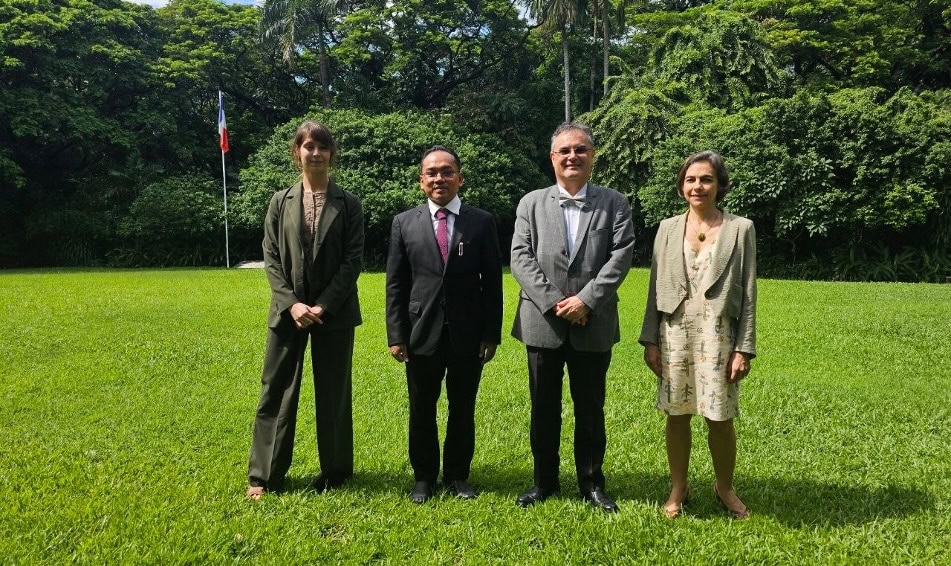
Cambodia and France Enter a New Chapter
President Macron's state visit to Cambodia, timed with the 20th Francophonie Summit in Phnom Penh, offers a chance to turn a long-standing friendship into a stronger strategic partnership. The article looks at shared history, recent leader talks and future cooperation.
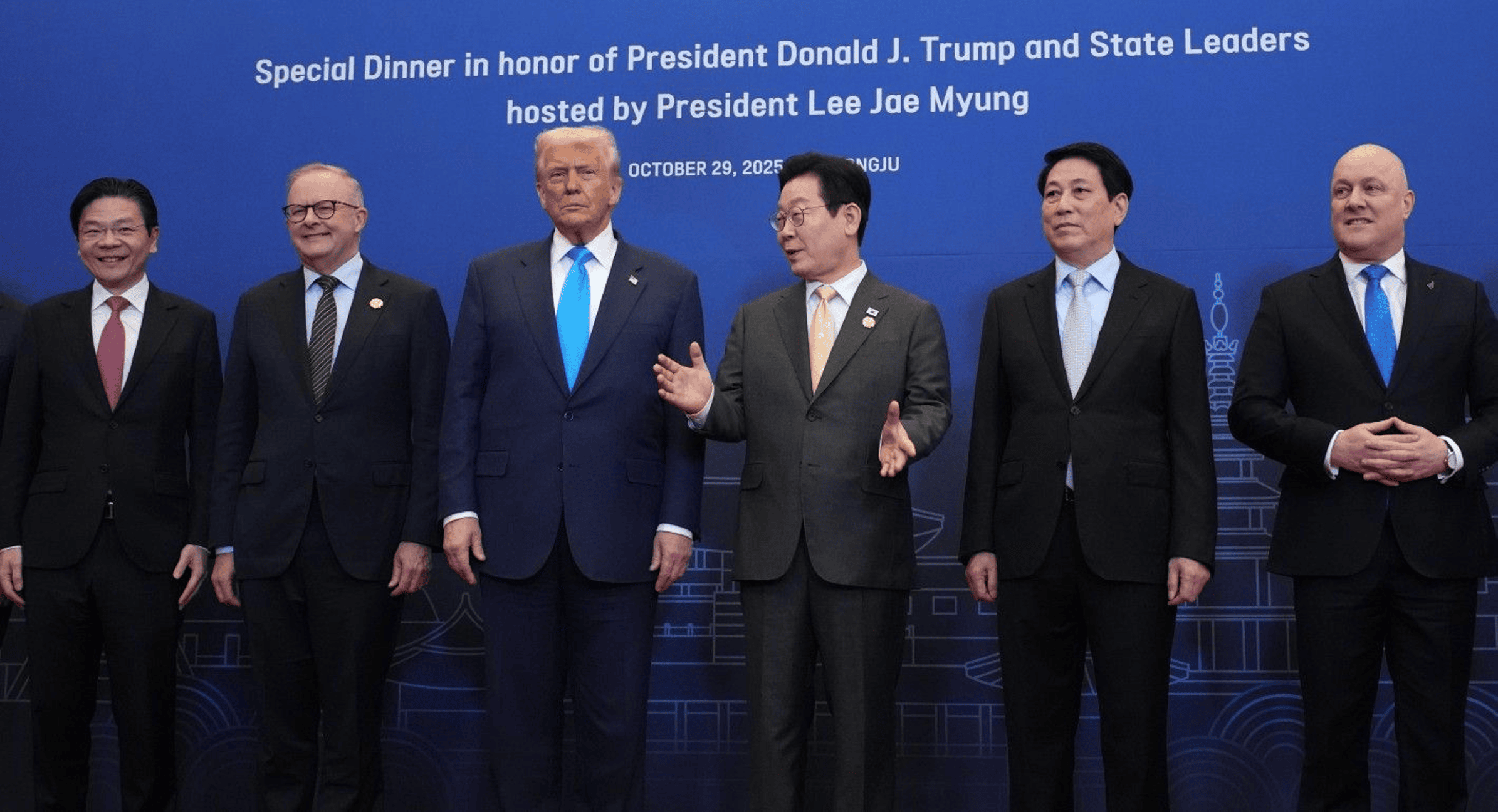
A Chance for Peace on the Korean Peninsula and Beyond
Signs of renewed direct talks between Washington and Pyongyang are raising hopes for easing tensions on the Korean Peninsula. Analysts see a possible summit around the November APEC meeting as a chance to reduce security risks across the region.
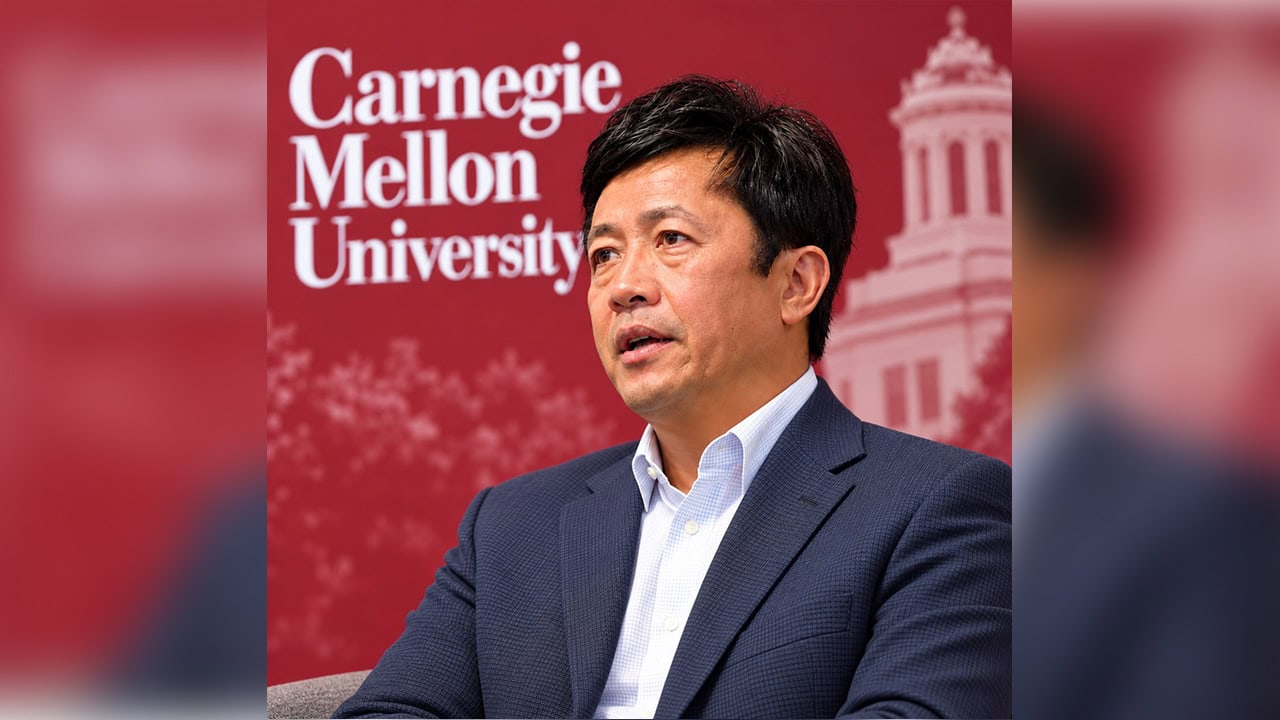
Leverage Over Firepower: Rethinking Cambodia's National Defence
Cambodia cannot outmatch larger powers in firepower, but it can build lasting security by developing its people, engaging the global Khmer diaspora and making its stability valuable to the world.
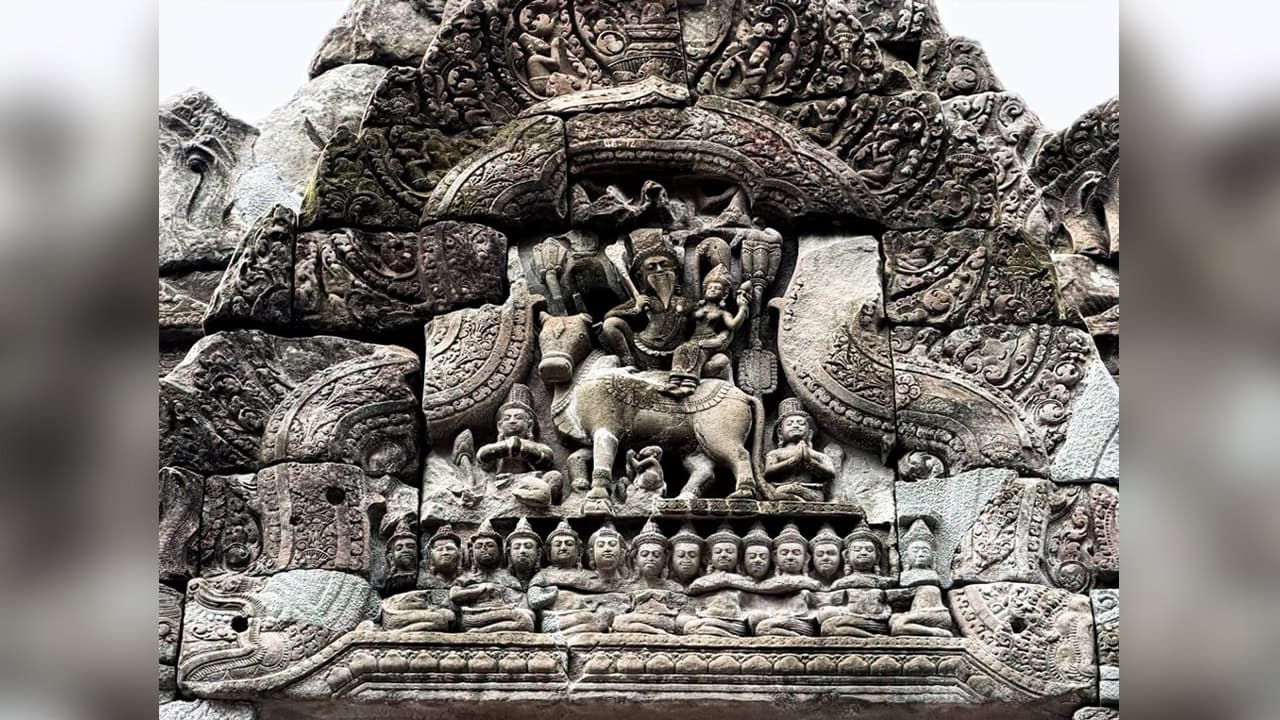
Social Media: Real Cultural Appreciation or Surface-Level Tourism?
Social media can carry local cultures to global audiences and boost tourism, but it can also turn heritage sites and traditions into mere backdrops for content. Meaningful appreciation requires more than striking photos.

Revisiting the Bas-Reliefs: Who Influenced Whom in Southeast Asia’s Water Festivals?
Cambodia and Thailand’s water festivals are often framed as a contest over who copied whom. This essay turns to temple carvings and historical records to trace where these traditions began.

Beyond Bricks and Mortar: Thirty Years of Cambodia-Korea Ties Through the Lens of Human Capital
Marking thirty years since Cambodia and South Korea restored full diplomatic ties, this opinion piece argues that the lasting bridge between the two countries is built on research capacity and skilled people rather than only on infrastructure. It looks at the KDI-RAC policy research project and what must come next.
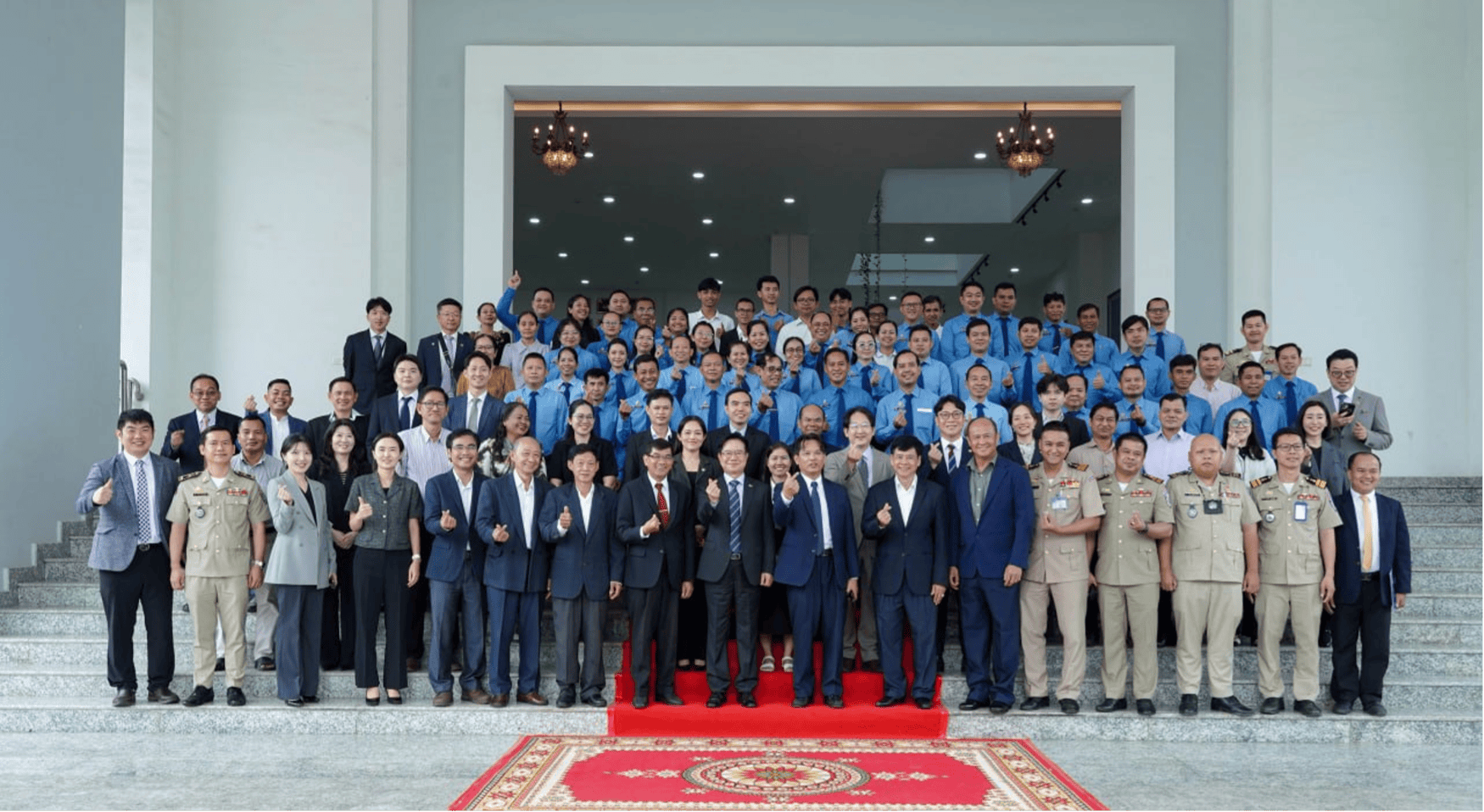
Nearing Three Decades of Cambodia–South Korea Ties: How the Royal Academy of Cambodia Is Advancing Education and Research
The Royal Academy of Cambodia's partnerships with Korean institutions have advanced academic exchange, research, training and environmental projects ahead of the 2027 anniversary of Cambodia–South Korea relations. The academy is now proposing a Korean Research Center to deepen that work.
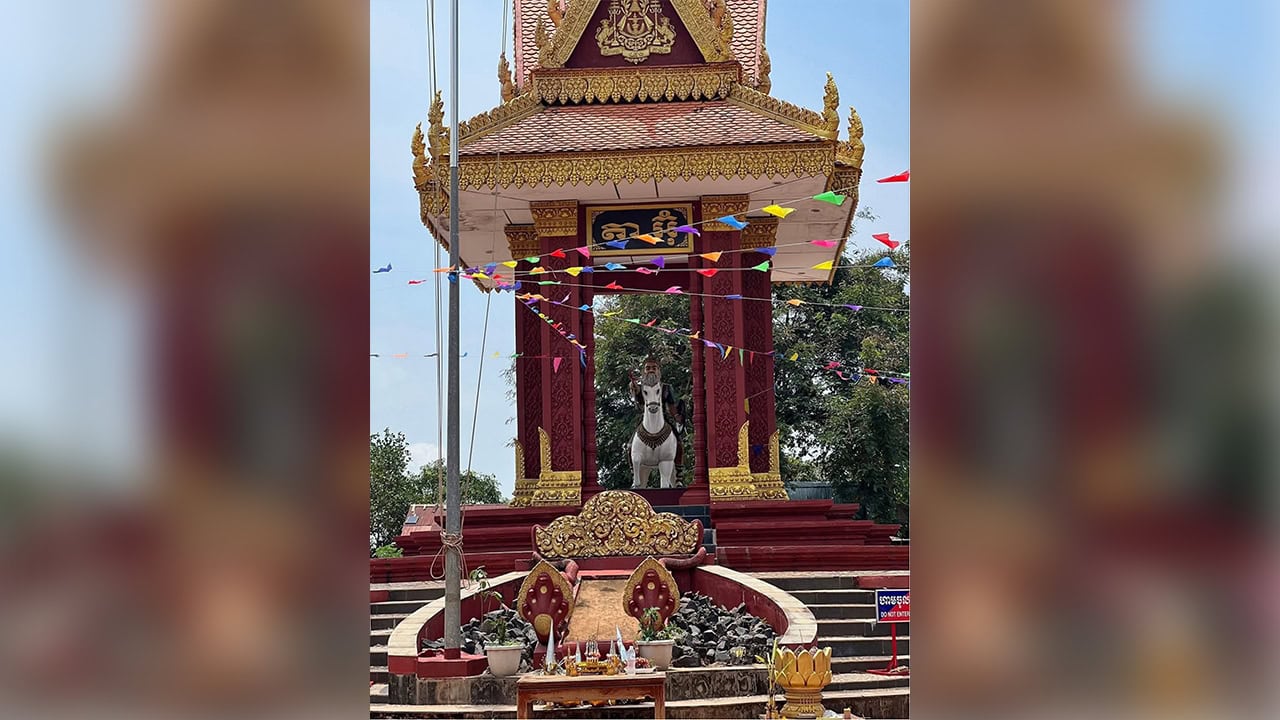
A Ceasefire Is Not a Settlement: Reported Breaches of the Kuala Lumpur Accord
One year after the Kuala Lumpur Joint Declaration, the Cambodia-Thailand peace process is being judged by conduct on the ground. Reported displacement and alleged fortifications raise questions about whether the commitments are being honored.
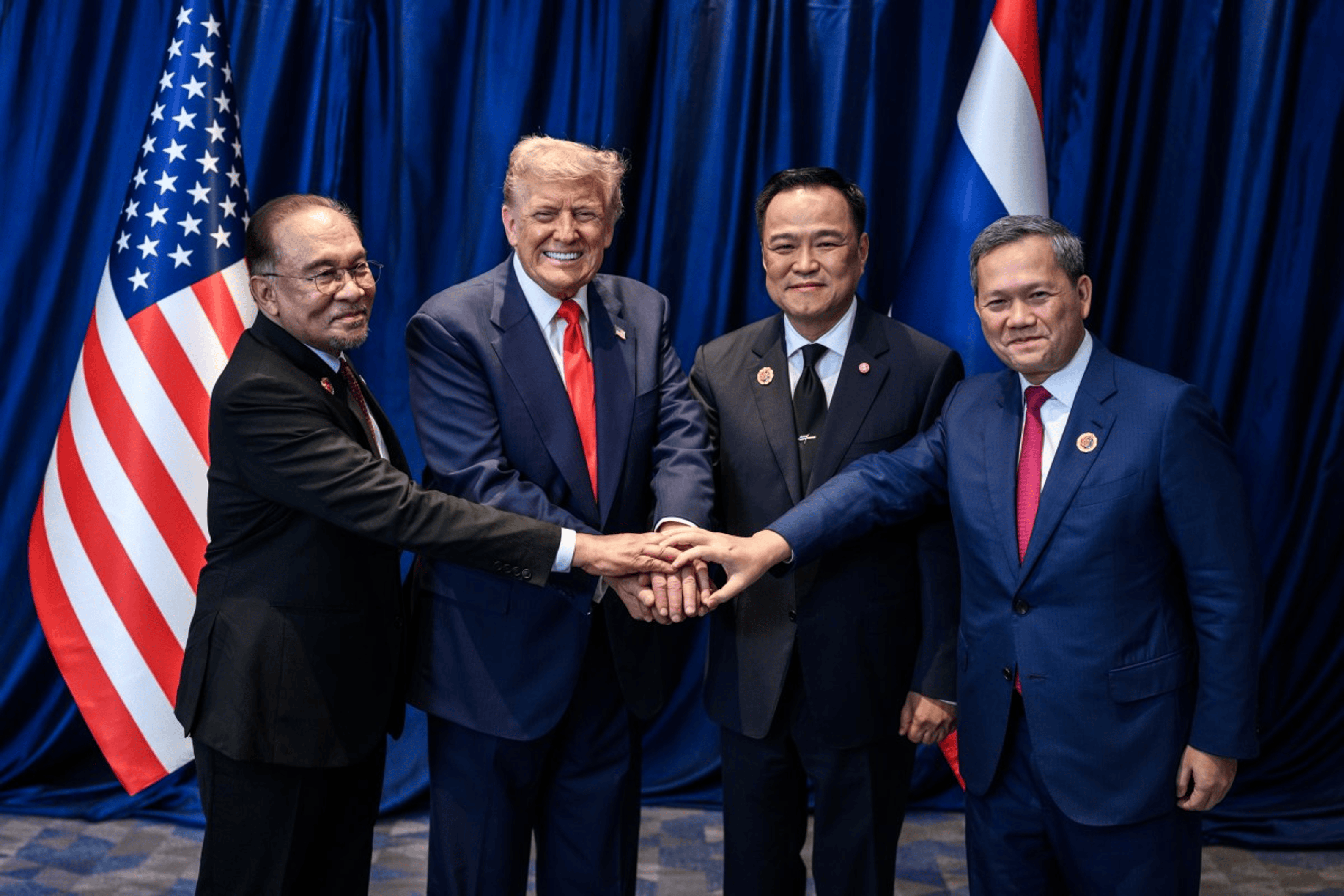
One Year After the Kuala Lumpur Accord: Sovereign Defence, the AOT's Unfinished Work and the Right of Return for Displaced Cambodians
One year after the Kuala Lumpur Joint Declaration, Cambodia's peace process has ended major fighting but has not yet restored safe return for displaced border families. The article examines the ASEAN Observer Team's mandate and sets out priorities for the second year.

Akreiy Ksatr Stands at a Turning Point: Balancing Growth, Partnership and Community
Akreiy Ksatr in Kandal Province is poised to become Cambodia's next satellite city, driven by a planned Mekong bridge network. Success will depend on coordinated action from policymakers, investors and local residents.
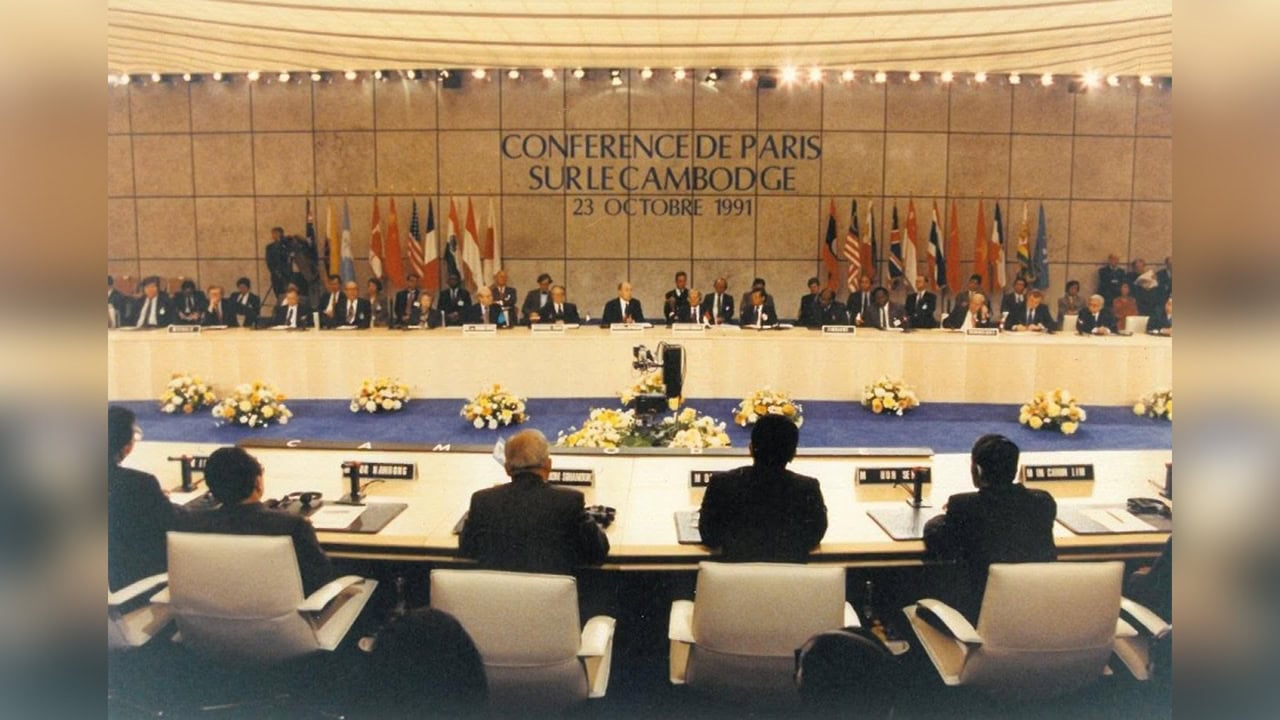
Forgotten Promises: Why Every Paris Accord Signatory Must Answer for Its Commitments
Thirty-five years after the Paris Peace Agreements, a Cambodian writer argues that every signatory must honour its obligations to protect Cambodia's sovereignty. Any accountability, he says, should rest on evidence and international law rather than force.
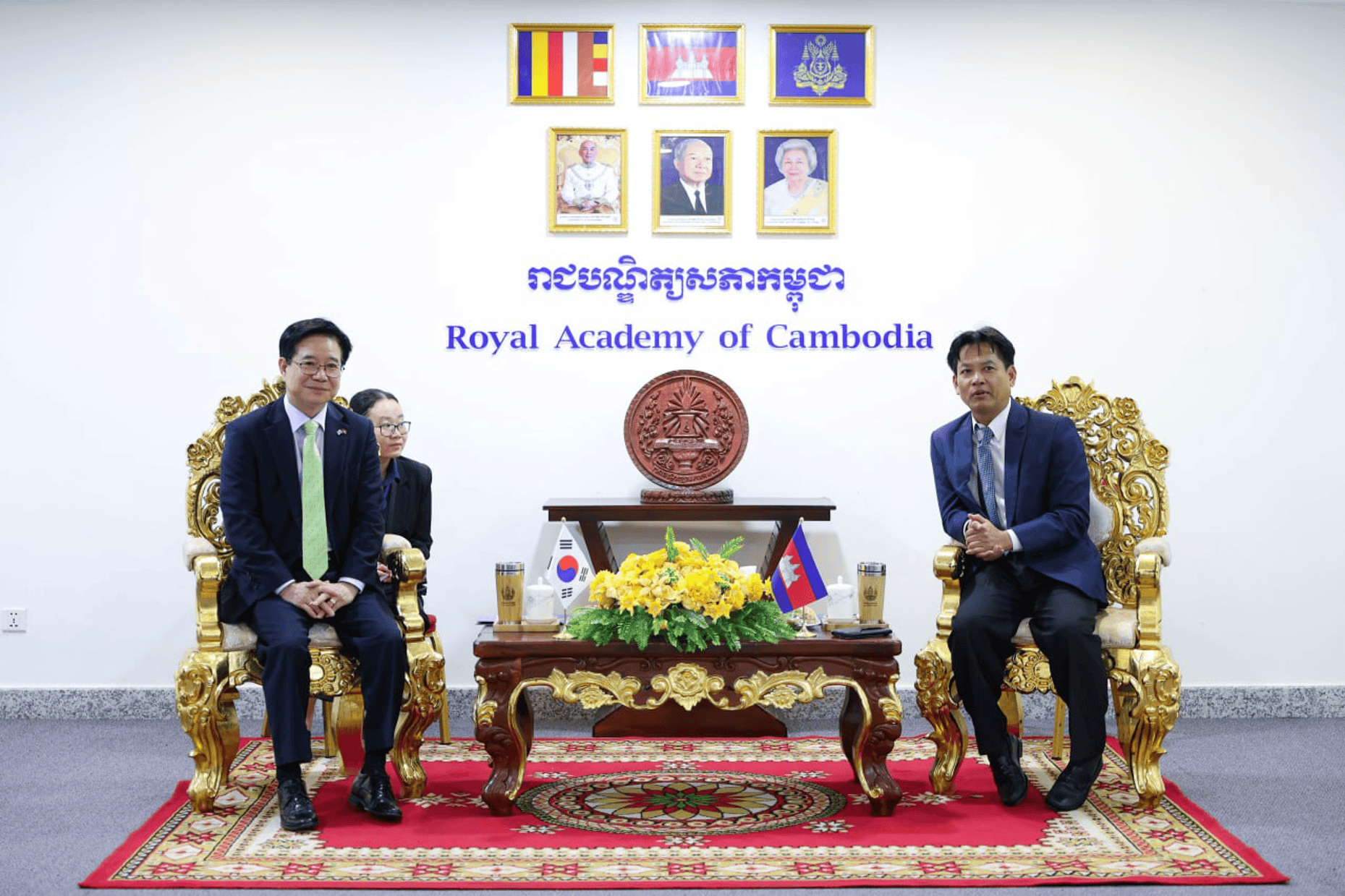
Marking 30 Years of Cambodia–South Korea Ties: Looking Back and Charting the Road Ahead
Cambodia and South Korea are marking 30 years since restoring diplomatic ties with a seminar in Phnom Penh on the future of their partnership. The event will reflect on shared achievements and explore new areas of cooperation.
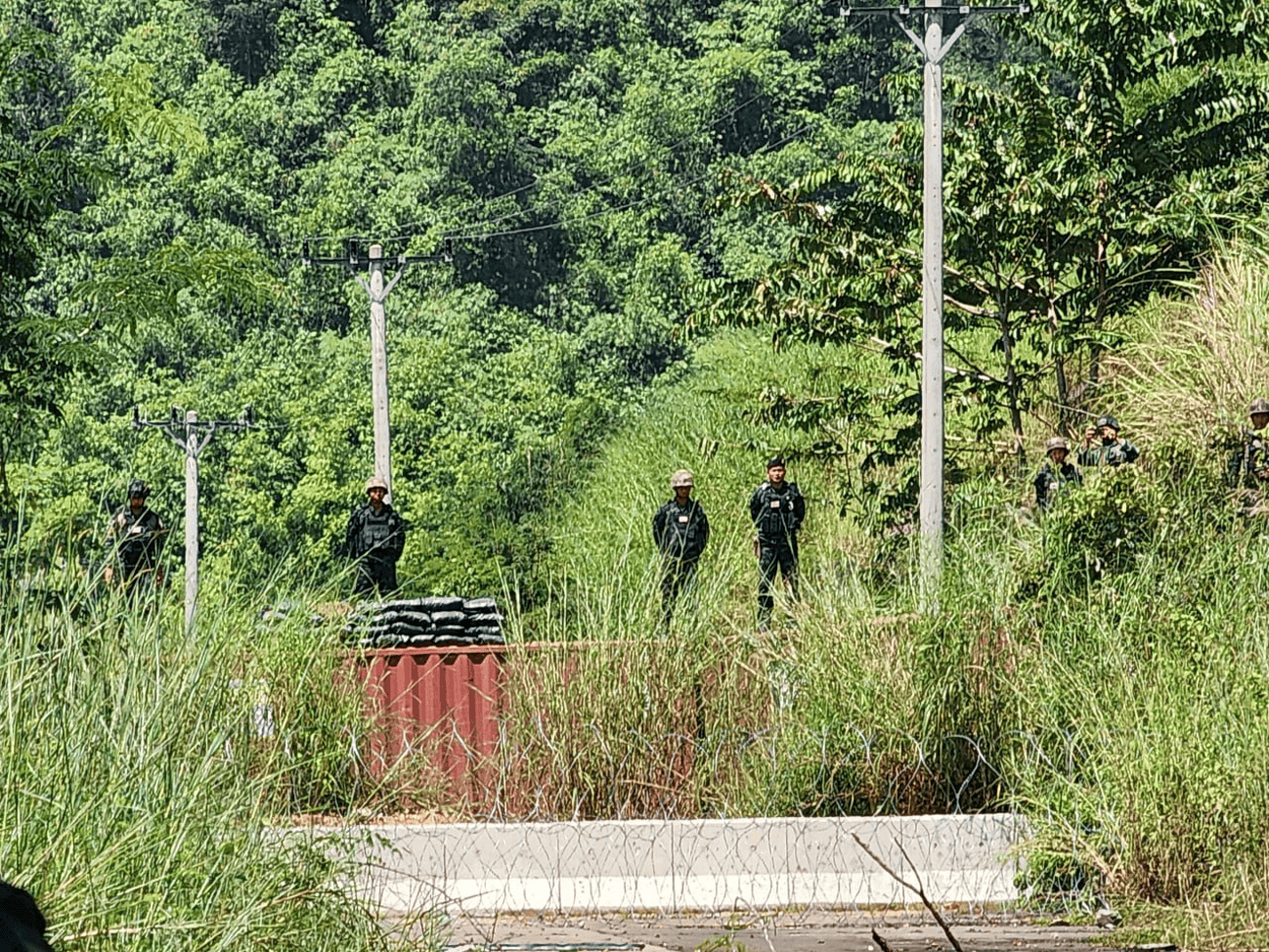
Overseas Cambodians Should Denounce Thai Incursions as a Breach of the Paris Peace Accords
On the 35th anniversary of the Paris Peace Accords, an analyst argues that Cambodians abroad can use peaceful civic action to call attention to Thai incursions and the suffering they have caused.

Why Housing Is Becoming So Hard to Afford in Cambodia
Rising demand, investor purchases and limited land are putting homes out of reach for many Cambodians, especially in Phnom Penh. A look at the causes and what the government could do about it.

What Legacy Will Our Generation Leave Behind?
A reflection on Cambodia's enduring heritage and the responsibility of today's Khmer generation to lift one another up, rather than settle for survival alone.
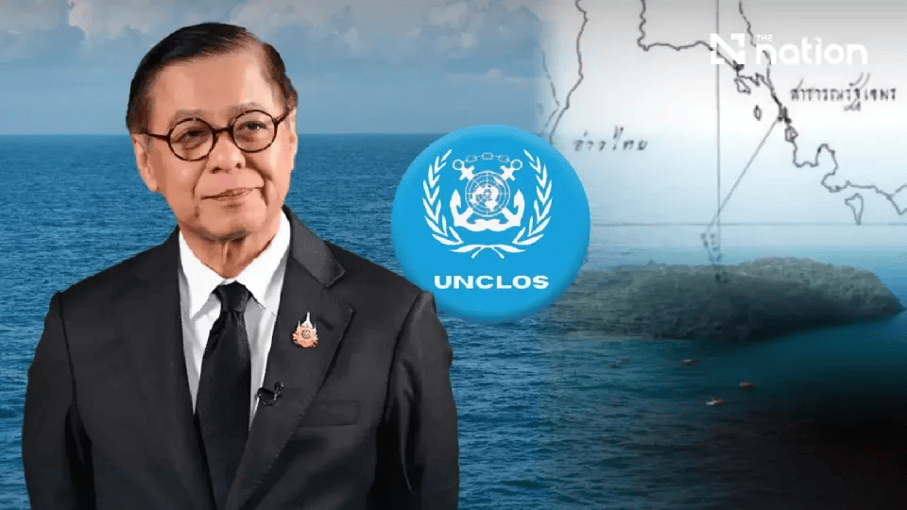
Afraid of the Legal Mirror: Why Thailand Resists Binding International Law
Thailand's insistence that its UNCLOS conciliation with Cambodia in The Hague remain non-binding points to a broader reluctance to submit maritime and territorial claims to binding international law. The author argues this reflects both legal vulnerability and domestic political pressure.

LDC Graduation: A Double-Edged Sword for Cambodia
Cambodia is set to leave LDC status in 2029, a milestone that brings both opportunity and risk. Losing preferential trade access and shifting from aid to loans will test the economy, so the country must upgrade its skills, industries and trade ties.
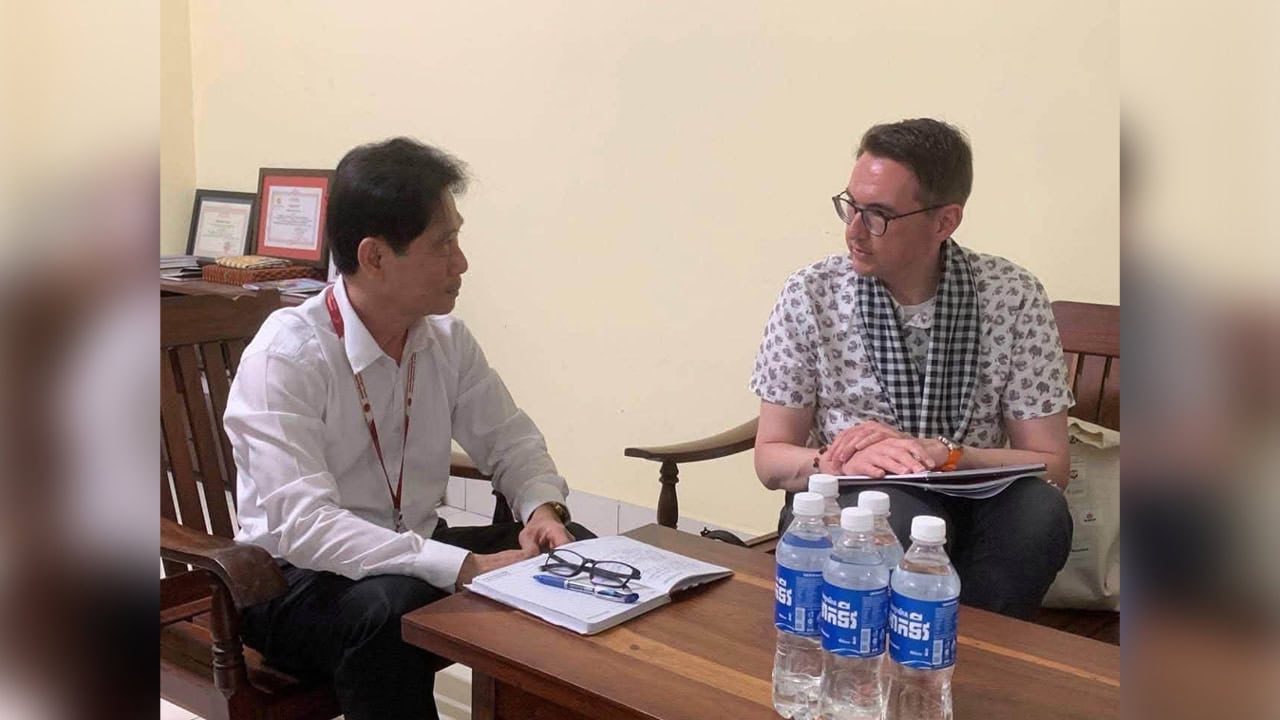
Online Culture Wars Are Damaging the Culture They Claim to Defend
An ethnomusicologist argues that online fights over whose culture is whose miss the point. Culture is living and always changing, and it is best defended by supporting the communities that keep it alive.
Moving Beyond Rote Learning: Rethinking STEM Education to Nurture Tomorrow's Pioneers
STEM education in Southeast Asia still leans heavily on memorisation, while the region needs students who can question, reason and create. Making science engaging from an early age can help raise the innovators of tomorrow.

Cambodia's Online Scam Crackdown: A Test of Accountability
An Al Jazeera investigation into Long Bay in Koh Kong has renewed scrutiny of Cambodia's online scam crisis. This opinion piece argues that credible, transparent action, not denial, is the only way to prove accountability.
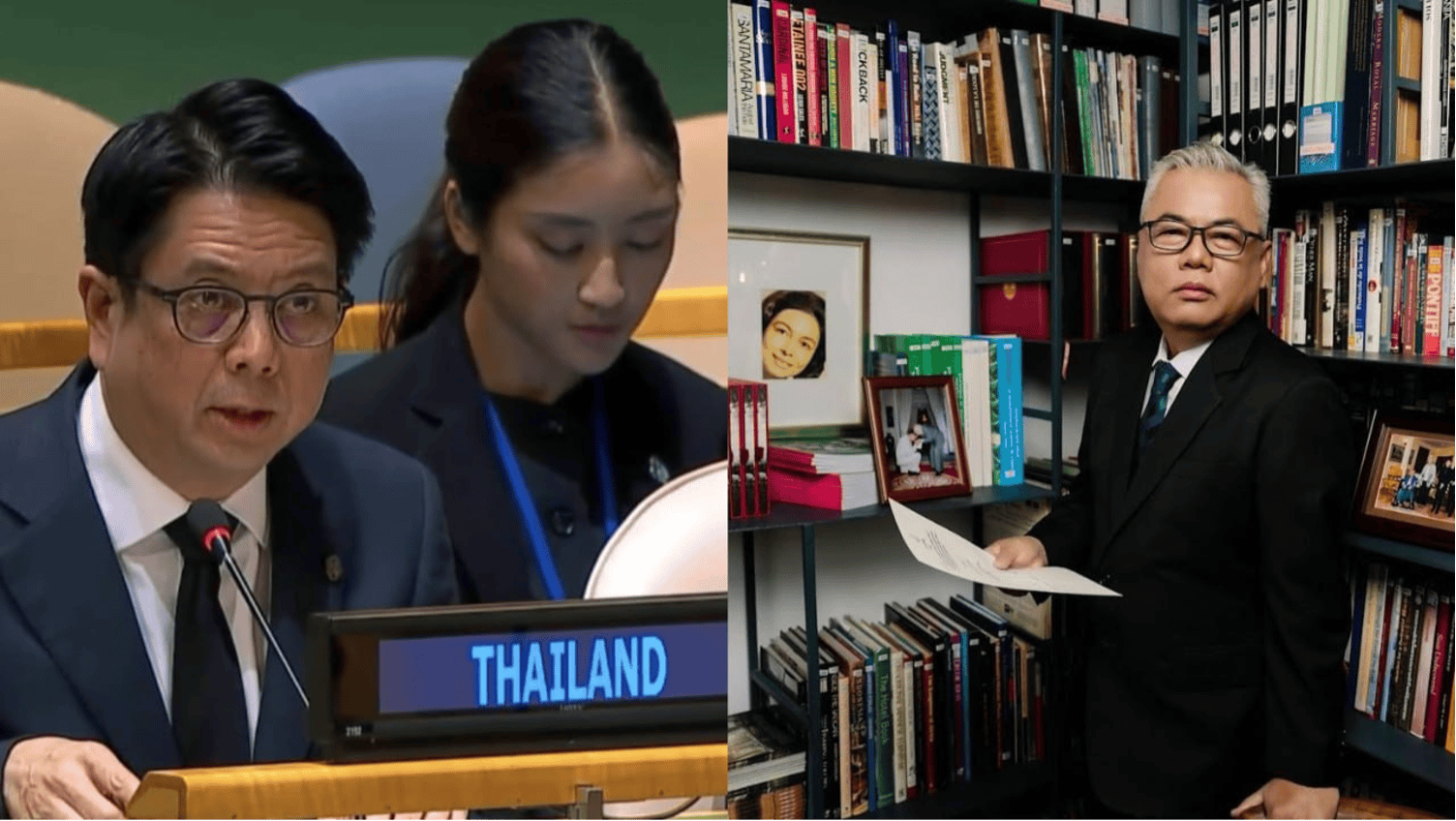
Thailand's Border Dispute With Cambodia: Separating Reality From Spin at the United Nations
Thailand's presentation of its border conflict with Cambodia at the UN General Assembly relies on misleading claims that crumble under historical scrutiny, revealing a long pattern of territorial ambition.
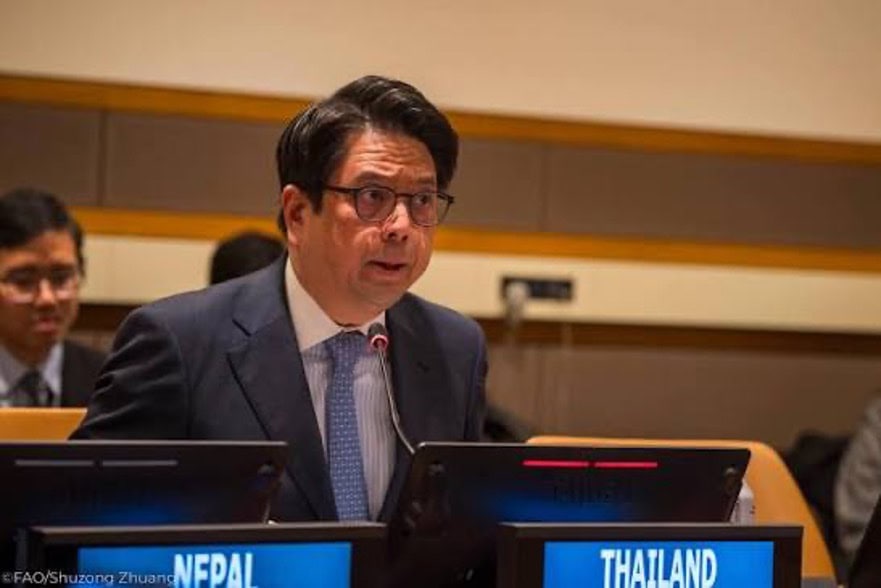
Border Disputes Must Be Resolved Through Legal Mechanisms, Not Rhetoric
Thailand's recent UN statements about Cambodians living near the shared border highlight the need for both countries to rely on established legal mechanisms rather than public assertions to resolve territorial disputes.

From Wage Floors to Better Incomes: Skills, Jobs and Career Pathways
Cambodia's wage debate should look beyond the minimum wage and focus on skills, job quality and career pathways that help workers earn more over time.
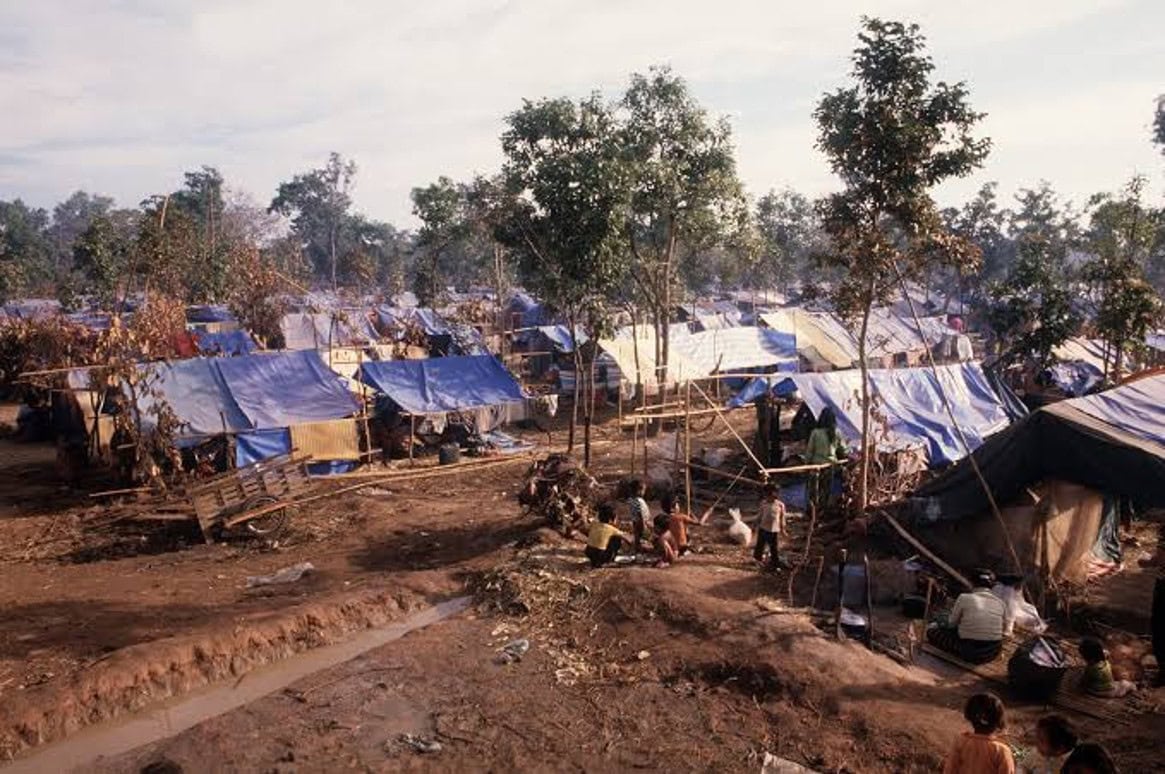
Ambassador, Before Presenting Cambodia's Story, Please Share the Full Truth About the Refugee Camps
A reply to the Thai ambassador's UN General Assembly remarks, calling for a full and honest account of the Cambodian refugee camps along the Thai border.

Let Evidence Guide the Conversation on Khmer Heritage
A careful reading of archaeology, inscriptions, language, and performance traditions suggests that mainland Southeast Asia’s heritage was shared, layered, and historically Khmer in important ways.

An Open Letter to the Prime Minister of Thailand
In an open letter, a Cambodian voice challenges Prime Minister Anutin Charnvirakul's UNGA81 address, arguing that Thailand's acknowledgment of cross-border airstrikes and damage to Preah Vihear cannot be reconciled with placing the moral burden for peace on Cambodia.
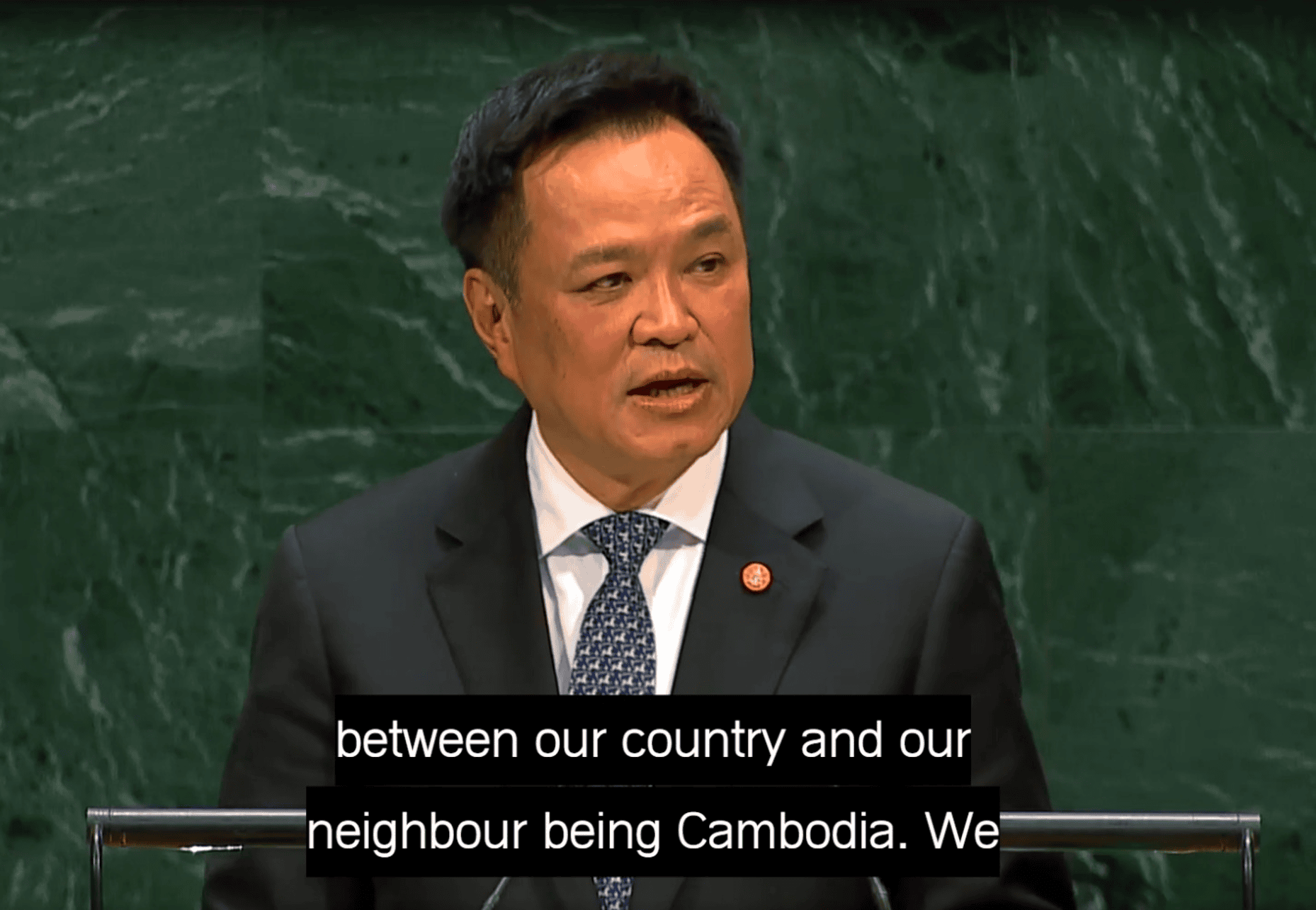
Peace Requires Respect for International Law, Not Just Promises
Cambodia welcomes calls for peace from Thailand but argues that lasting stability requires evidence, independent verification, respect for sovereignty and equal application of international law. Online crime and territorial disputes should be addressed separately through peaceful legal and diplomatic channels.
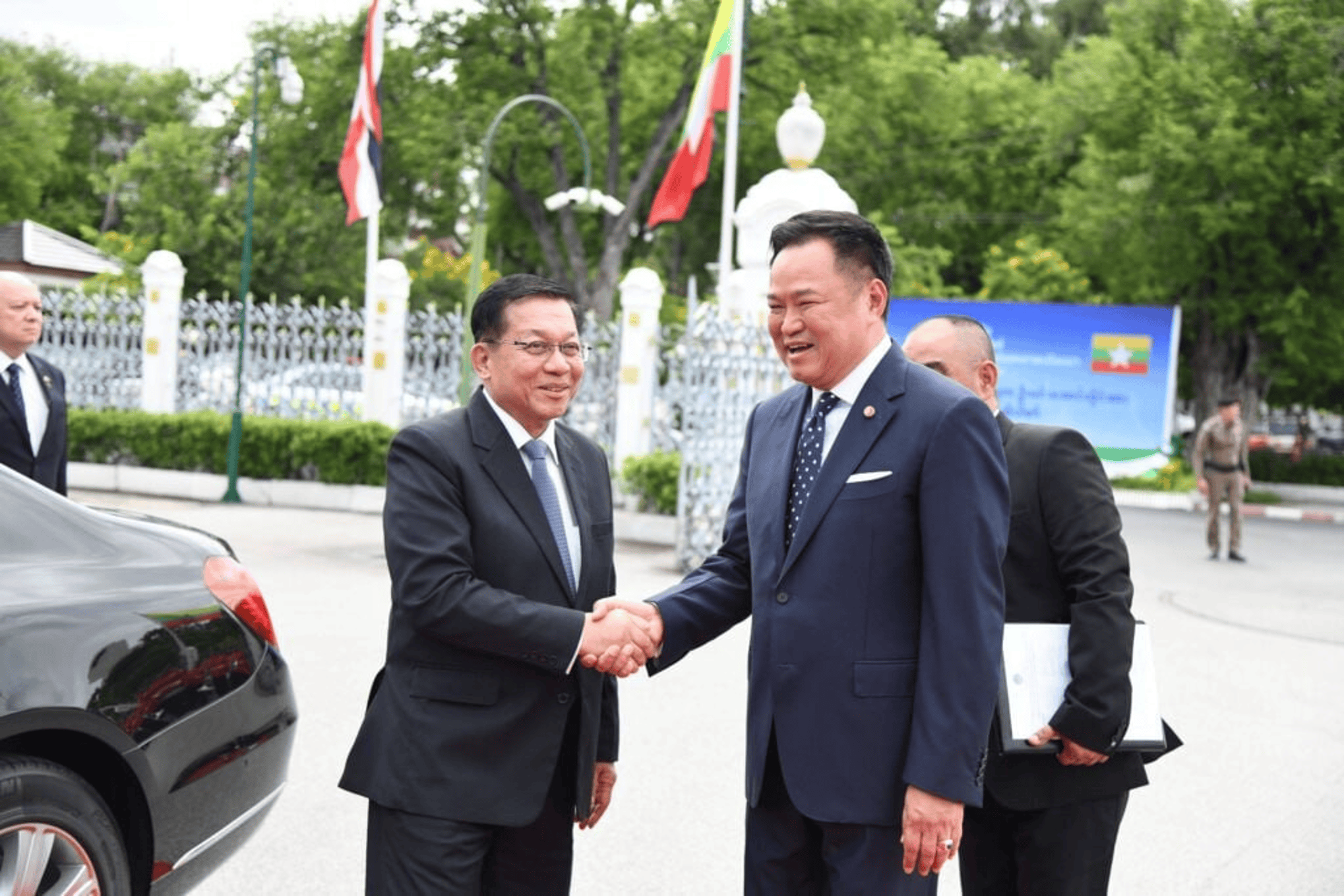
Thailand's Neighbourhood Diplomacy: One Standard or Two?
Thailand presents itself as a leading ASEAN power, yet its diplomatic conduct toward smaller neighbours like Cambodia appears markedly more confrontational than its engagement with Malaysia or Myanmar. Consistency in principle — not selective restraint — is the true test of responsible regional leadership.
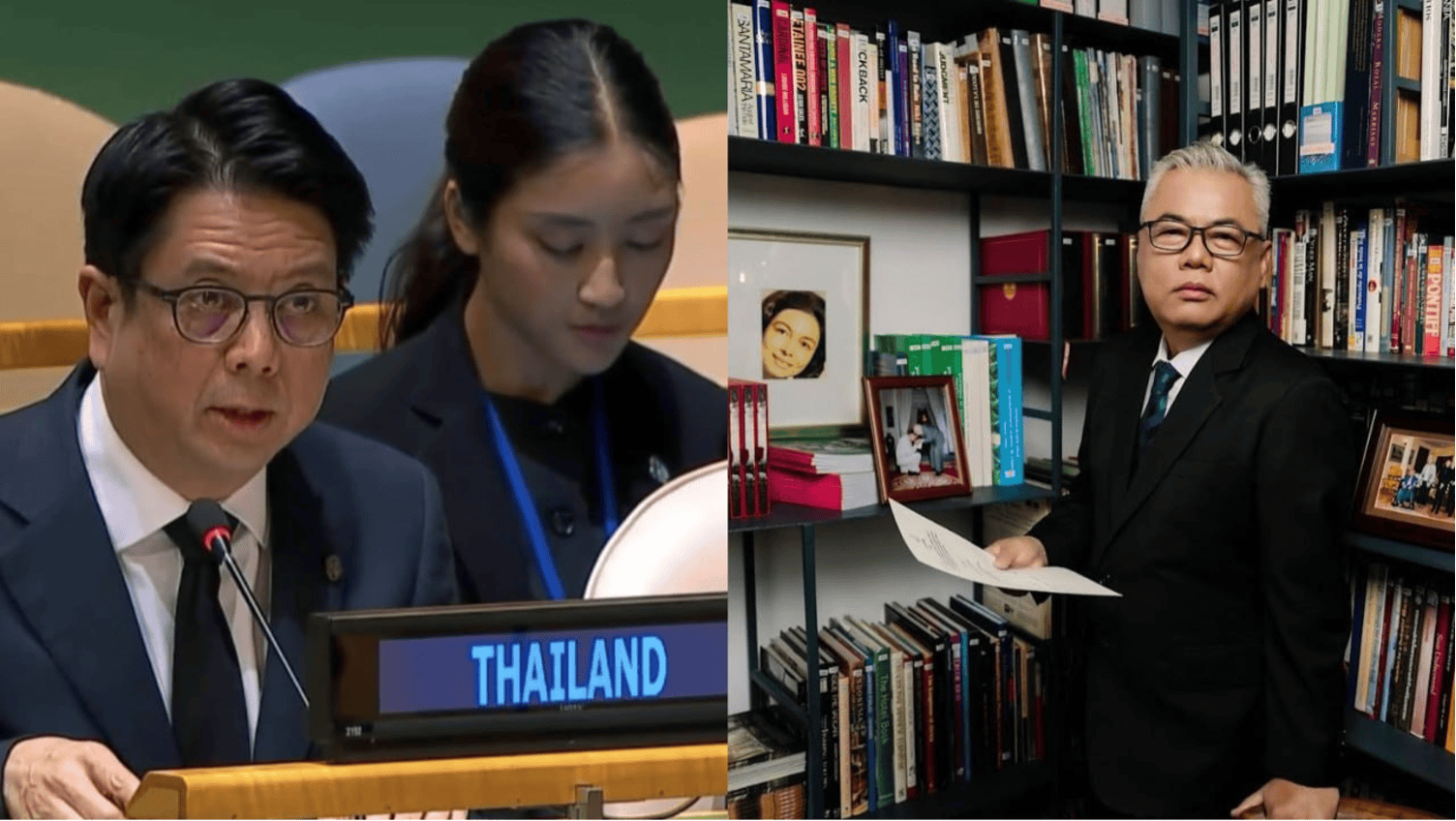
Thailand-Cambodia Border Conflict: Fact and Fiction at the UN
Thailand’s account of the border conflict at the UN relies on claims that, according to this analysis, overlook the region’s history of war, territorial disputes and international rulings. A lasting resolution requires the international community to examine the evidence and historical record.
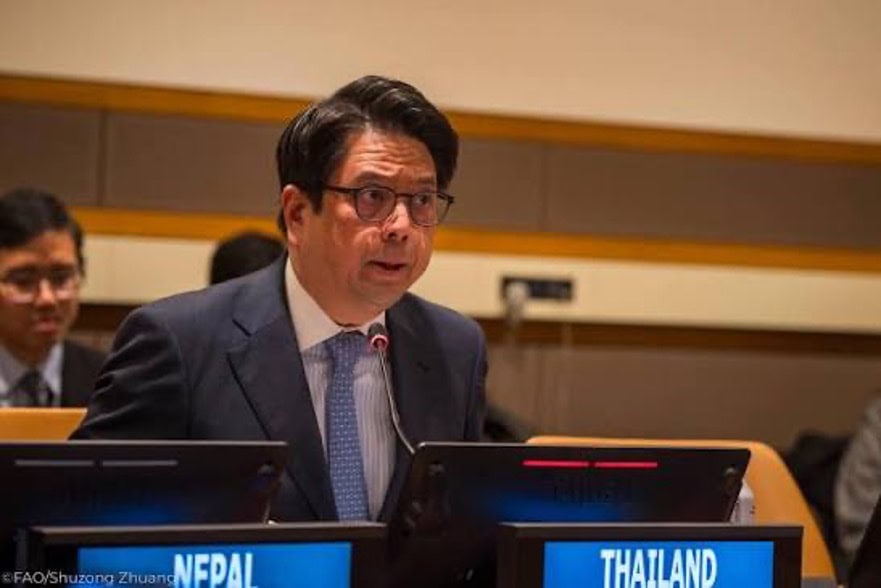
Let the Border Be Settled by Law, Not by Assertions
The Cambodia–Thailand border dispute should be addressed through the Joint Boundary Commission, legal evidence and agreed technical procedures—not unilateral claims. Both governments must also ensure that displaced civilians remain at the centre of their efforts to rebuild trust.

Skills Development: The Key to Rising Above Minimum Wage
While minimum wage negotiations focus on annual increases, creating pathways for workers to develop skills and earn above the legal minimum throughout their careers deserves equal attention.
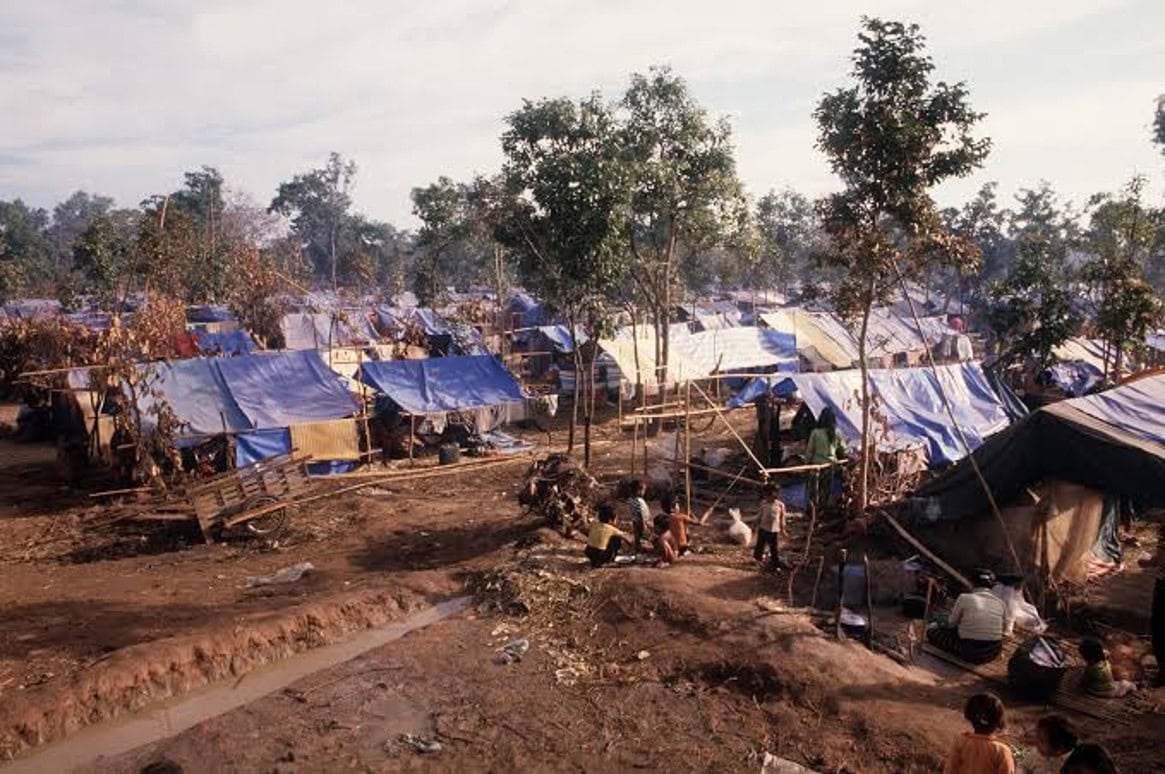
An Open Letter to Thailand’s Ambassador on Cambodia’s Refugee Camp History
A response to remarks at the UN General Assembly calls for a fuller account of Cambodia’s border refugee camps, Cold War politics, and today’s territorial evidence.

Response to Thailand's UN Address: Accountability Must Precede Reconciliation
Thailand's call for peace at the UN rings hollow without accountability for documented airstrikes, civilian casualties, and damage to Cambodian territory and heritage sites.
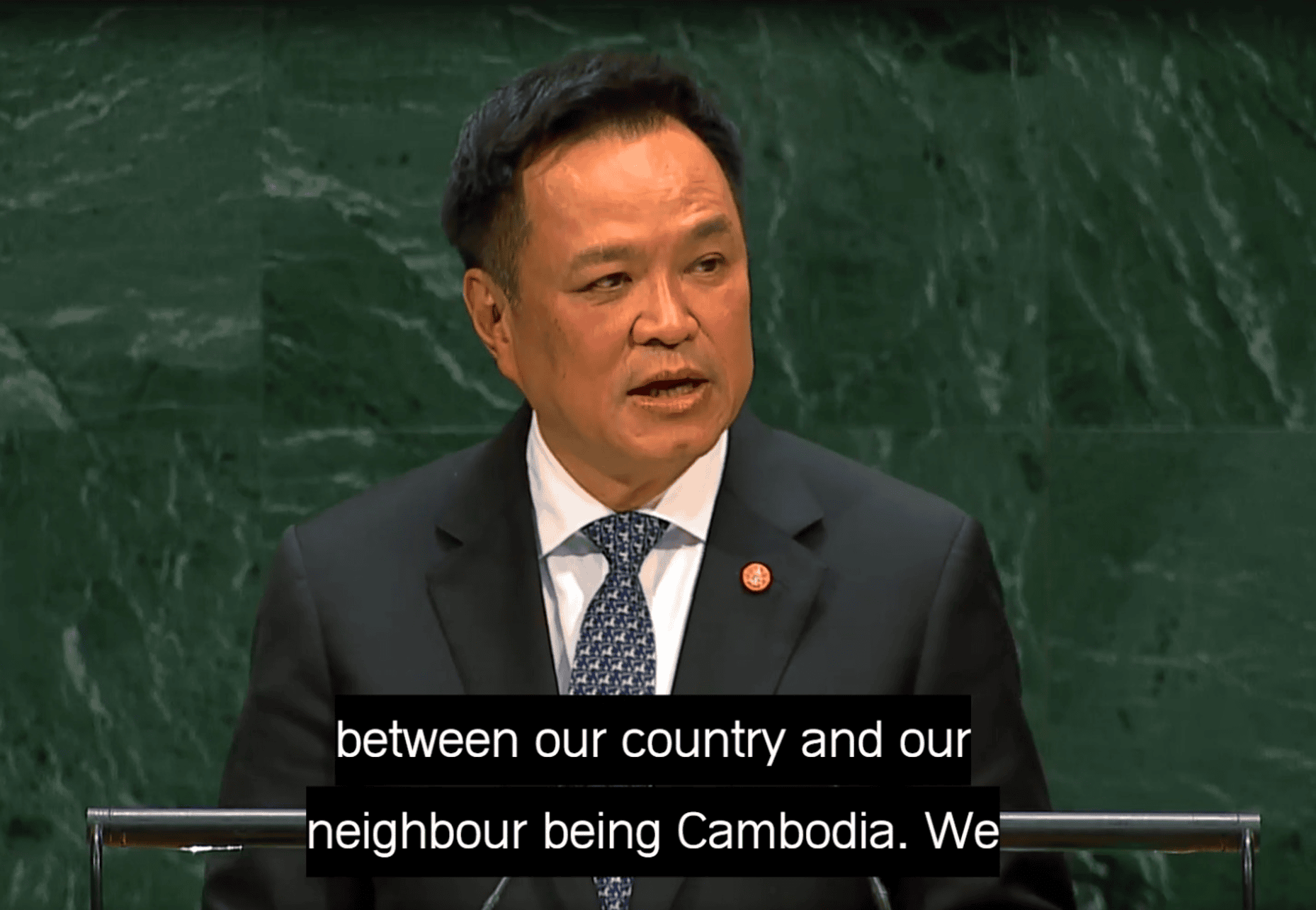
Peace Must Be Rooted in International Law: A Cambodian Perspective on Thailand's UN Remarks
A Cambodian writer responds to Thailand's UN General Assembly remarks, arguing that lasting peace requires respect for sovereignty, independent verification of disputed facts, and equal application of international law.
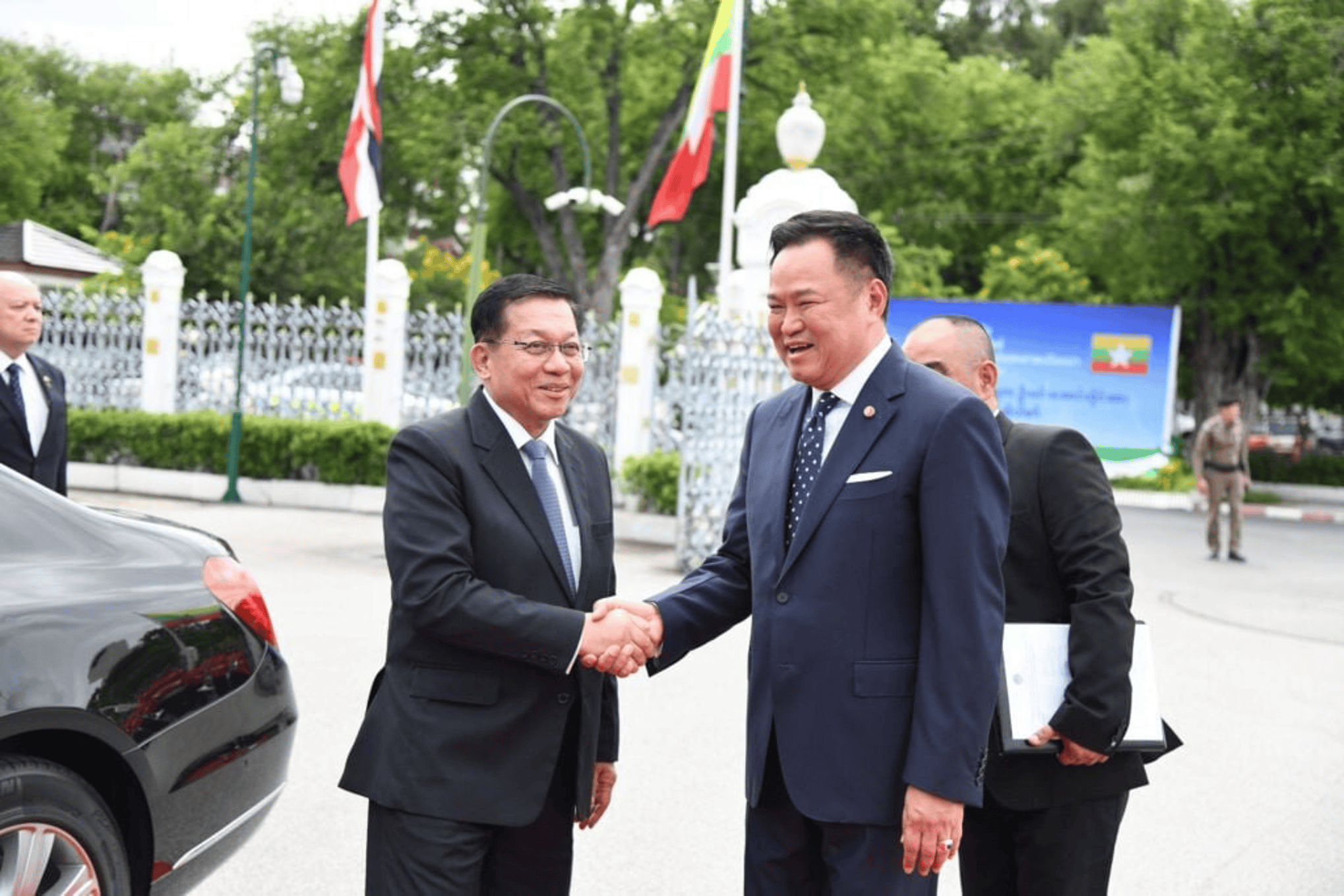
One Standard for All Neighbours
A Cambodian viewpoint asks whether Thailand applies the same diplomatic rules to every neighbour, or shifts its approach depending on their size, strength and economic importance.

Cultural Heritage and Historical Accuracy in Southeast Asia
Modern nationalism often obscures the complex, interconnected history of Southeast Asian civilizations, raising concerns about the systematic reframing of shared cultural heritage through exclusive national narratives.
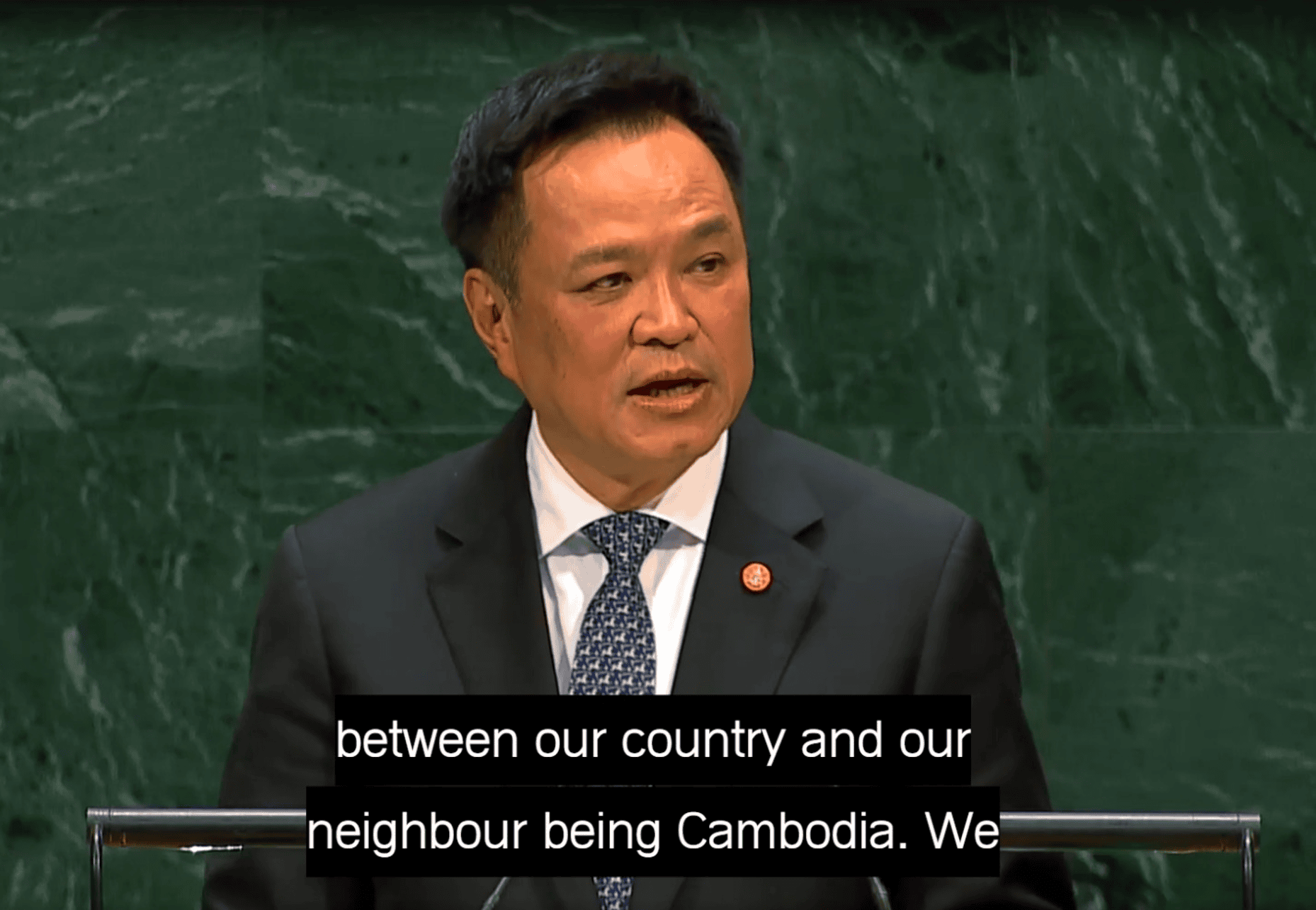
True Peace Demands Adherence to International Law, Not Just Diplomatic Rhetoric
A durable peace between Cambodia and Thailand requires more than diplomatic speeches at the UN; it demands strict adherence to international law, transparent verification of border claims, and the fair treatment of sovereign rights.
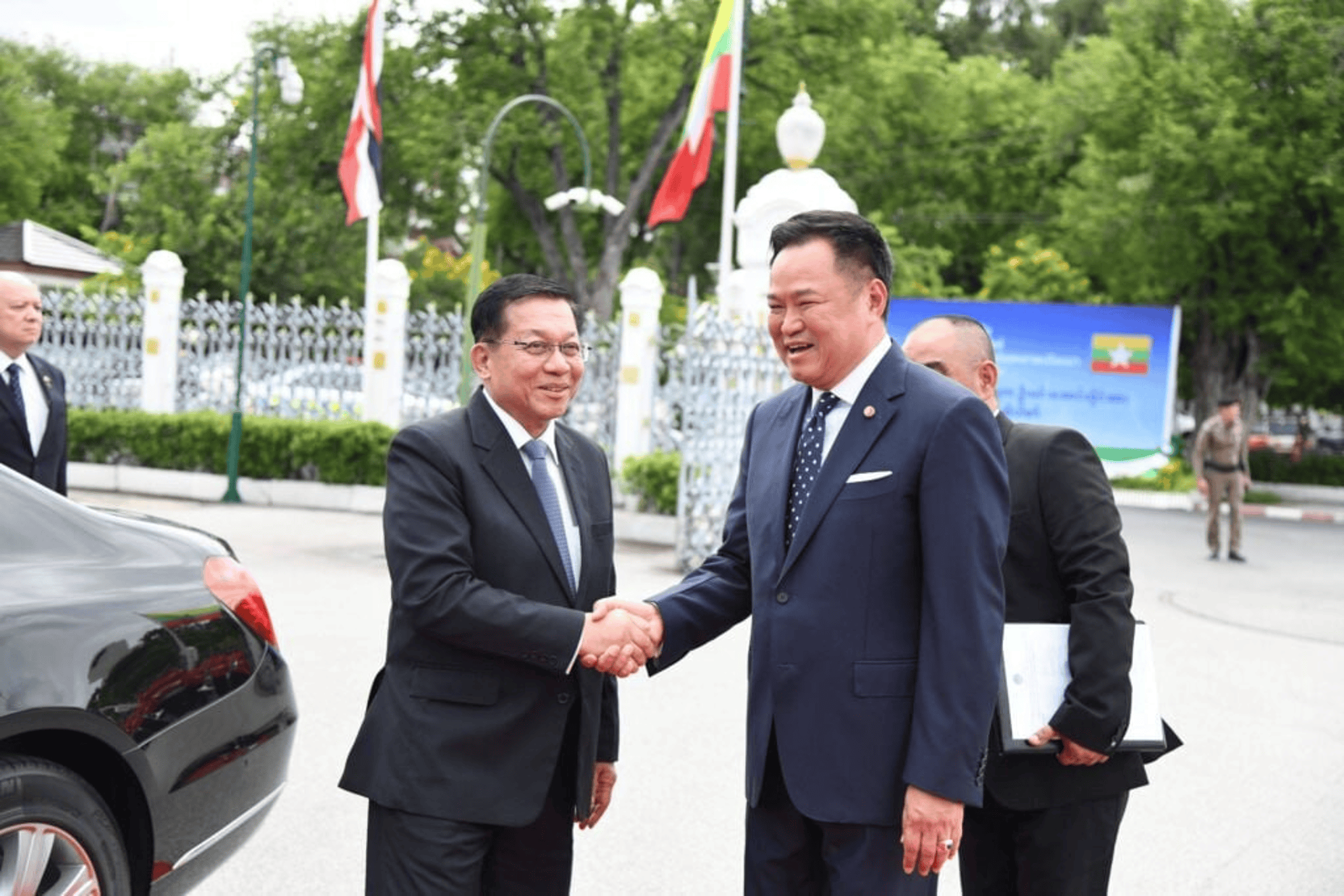
Double Standards in Regional Diplomacy: Why Thailand Must Treat All Neighbours Equally
An examination of Thailand's foreign policy reveals contrasting approaches toward its neighbours, highlighting the need for consistent diplomatic standards across ASEAN.

An Open Letter to Thailand's Prime Minister
A response to the Thai prime minister's UNGA speech, examining the border conflict's toll and the steps needed for a verifiable peace.
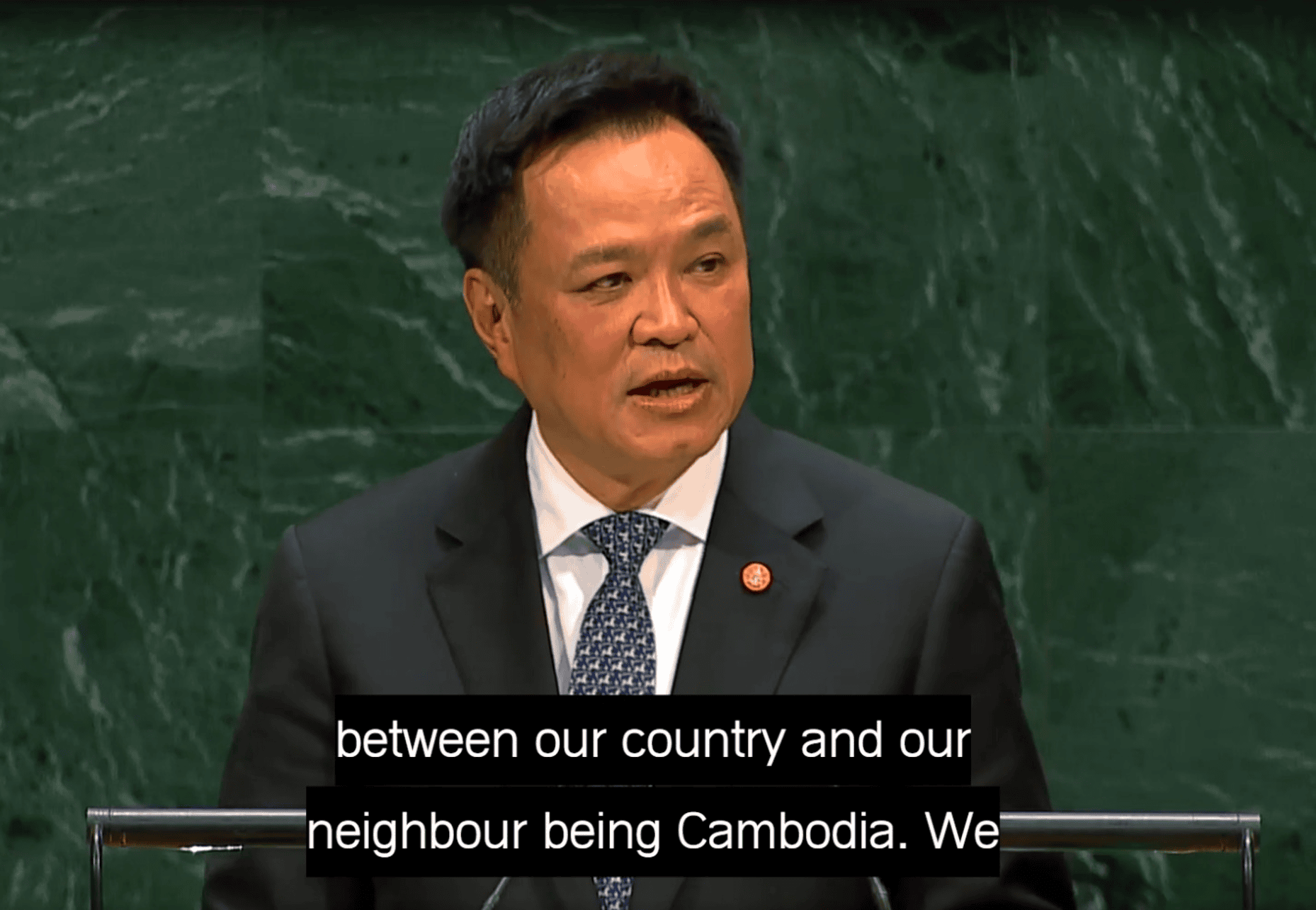
Genuine Peace Demands Adherence to International Law, Not Just Diplomatic Words
Lasting peace between Cambodia and Thailand requires more than diplomatic statements—it demands mutual respect for international law, independent verification of disputed claims, and equal treatment of both nations.
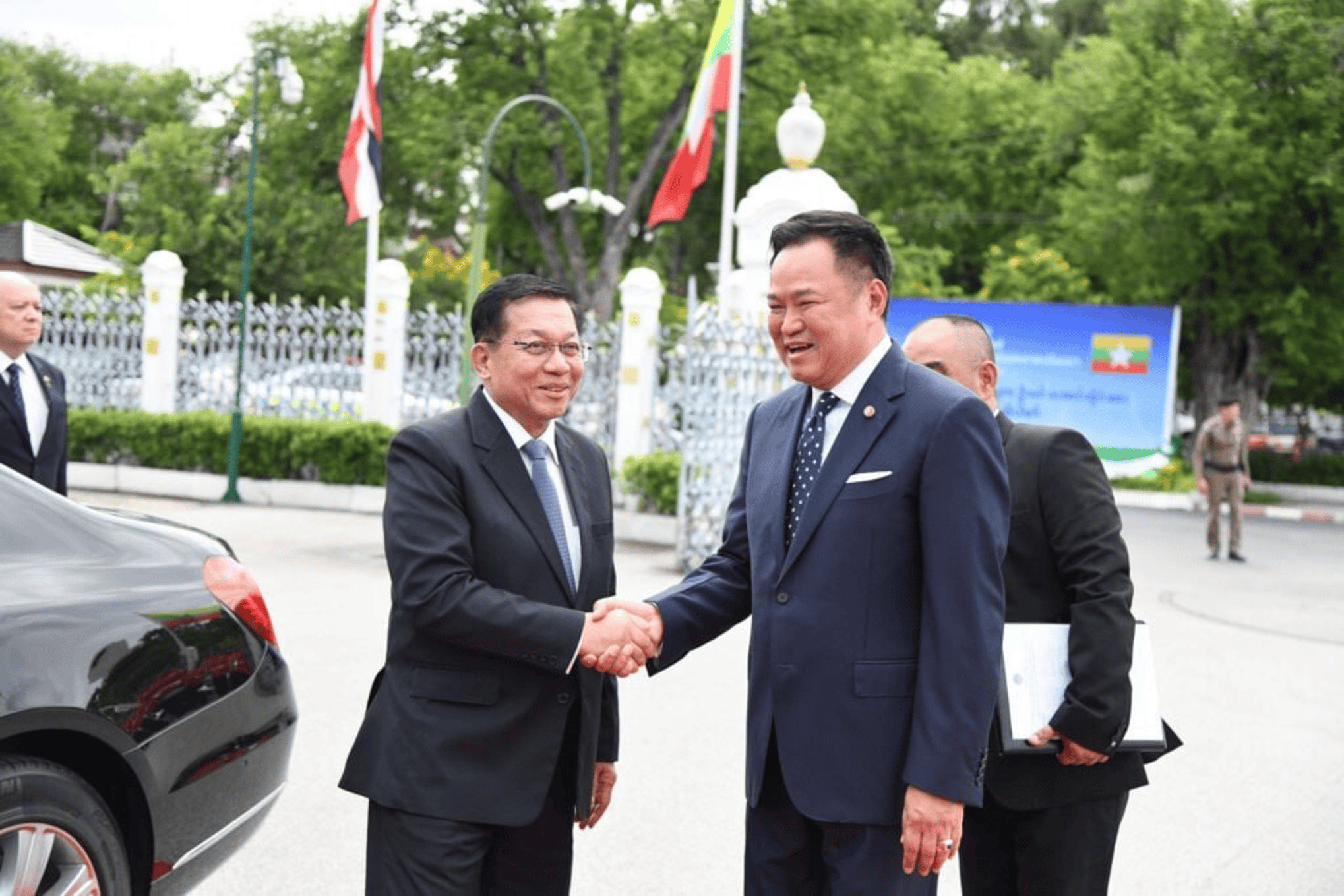
Thailand's Neighborhood Policy Faces Questions Over Double Standards
Thailand presents itself as a regional leader, but its contrasting approaches to Malaysia, Myanmar and Cambodia raise questions about whether it applies a single diplomatic standard to all neighbours.

Addressing Thailand's UN Statement: A Call for Accountability After Cross-Border Military Action
Following Thailand's Prime Minister's UN address calling for peace, questions persist about reconciling diplomatic rhetoric with military action that caused civilian casualties and heritage site damage inside Cambodia.
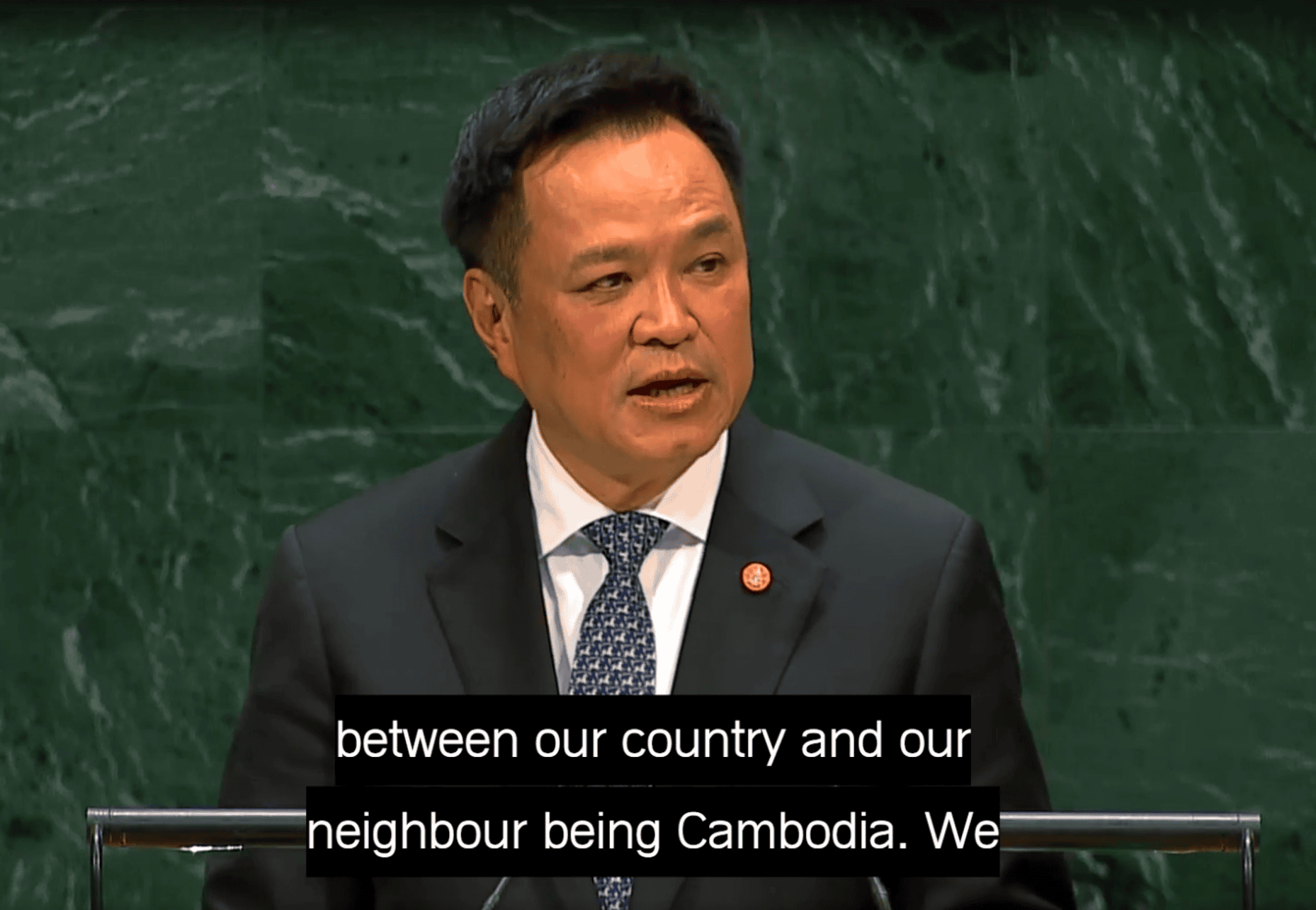
True Peace Demands Adherence to International Law: A Cambodian Perspective on Thailand's UN Address
A Cambodian citizen responds to Thailand's UN peace appeal, arguing that lasting stability requires more than rhetoric—it demands mutual respect for sovereignty, verifiable evidence, and equal application of international law.
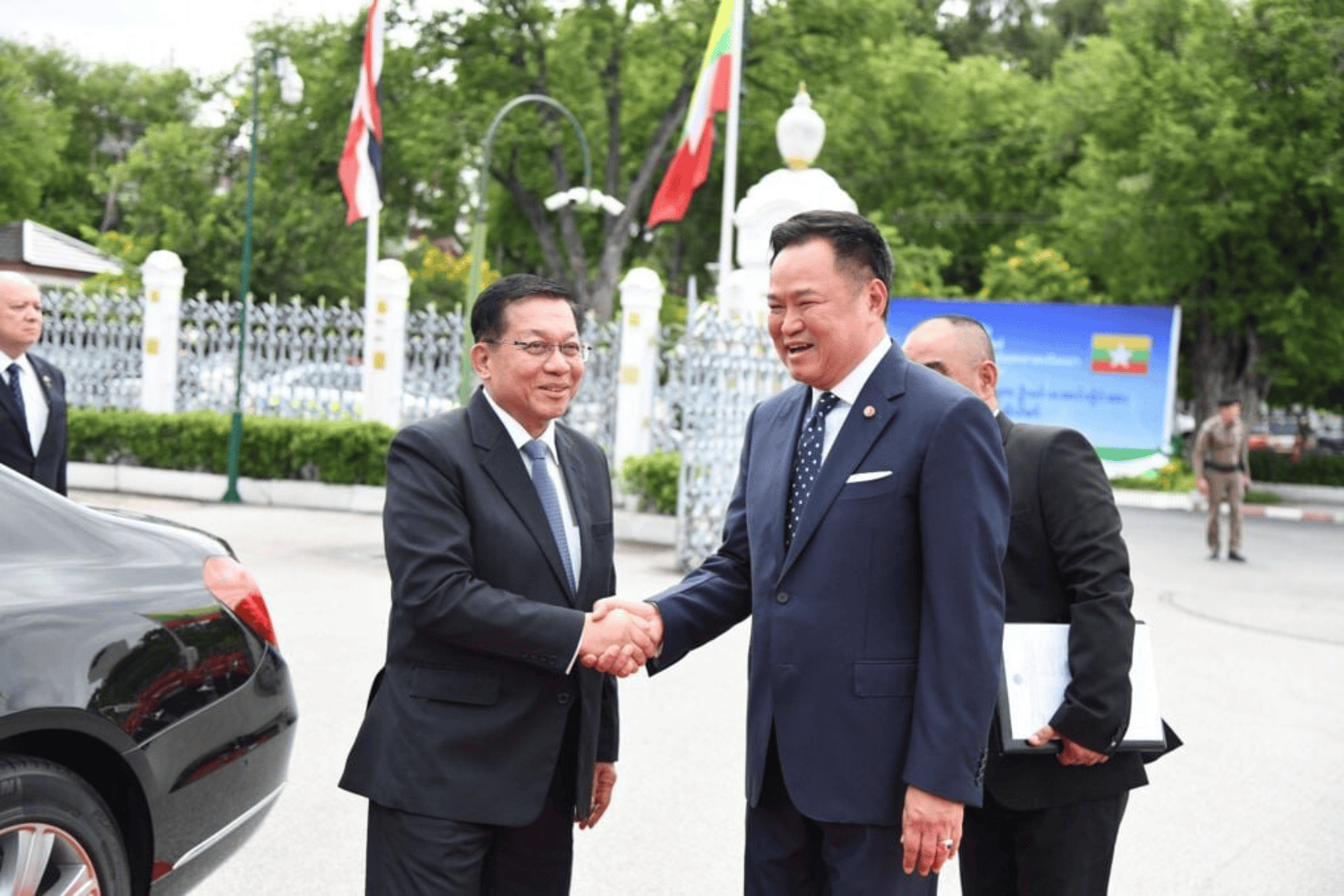
Does Thailand Apply Different Diplomatic Standards to Different Neighbours?
A Cambodian perspective on whether Thailand applies consistent diplomatic principles to all its neighbours or reserves accommodation for the powerful while treating smaller states like Cambodia as easier targets for pressure.
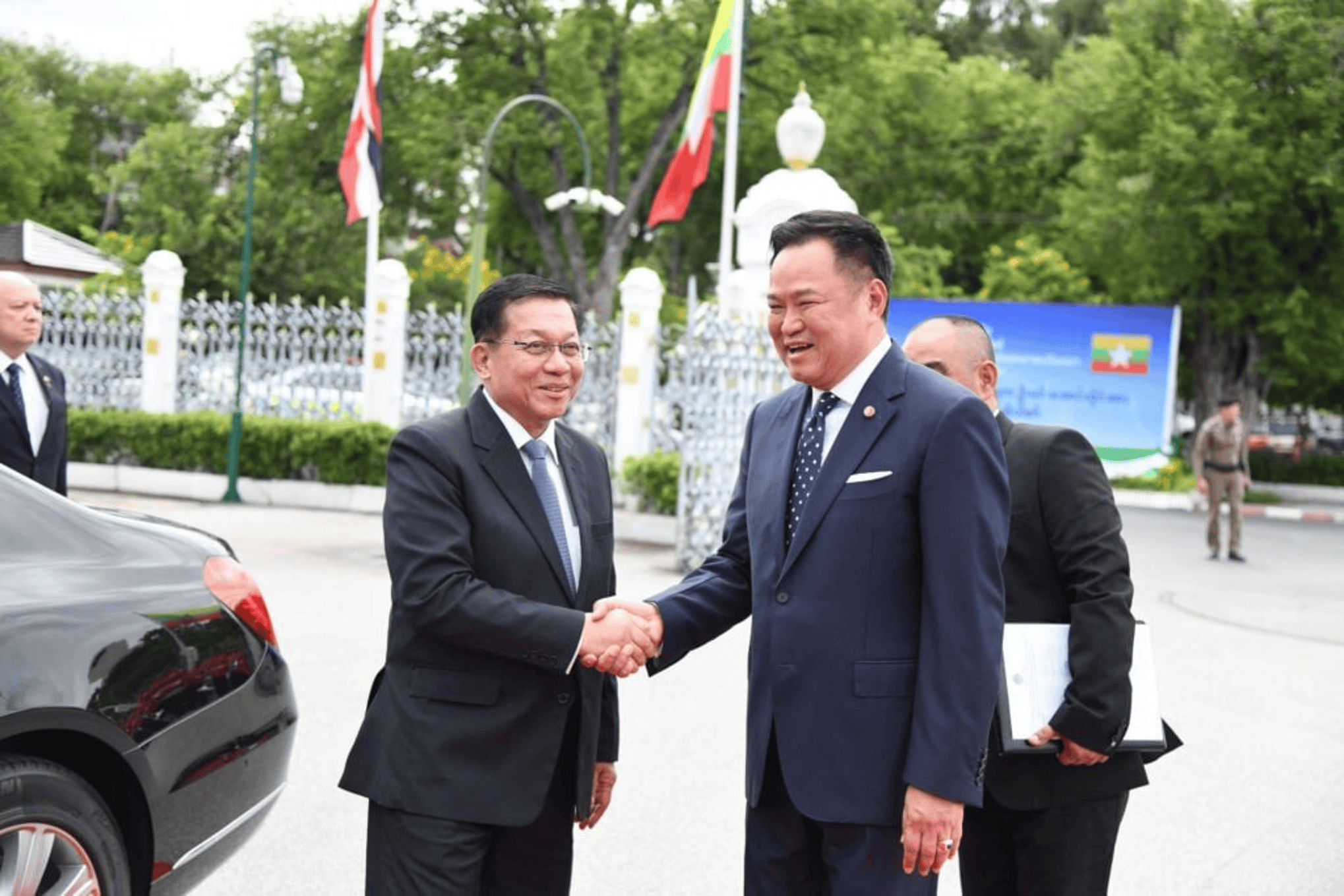
One Standard or Two? Examining Thailand's Approach to Its Neighbours
A Cambodian perspective questions whether Thailand applies the same diplomatic principles to all its neighbours, or treats smaller Cambodia differently from partners like Malaysia and Myanmar.

A Call for Historical Evidence: Addressing Cultural Heritage Claims Between Cambodia and Thailand
A Cambodian citizen calls for evidence-based historical discourse regarding ancient Khmer heritage sites located throughout Thailand, challenging accusations of cultural theft with archaeological facts.