Forgotten Promises: Why Every Paris Accord Signatory Must Answer for Its Commitments
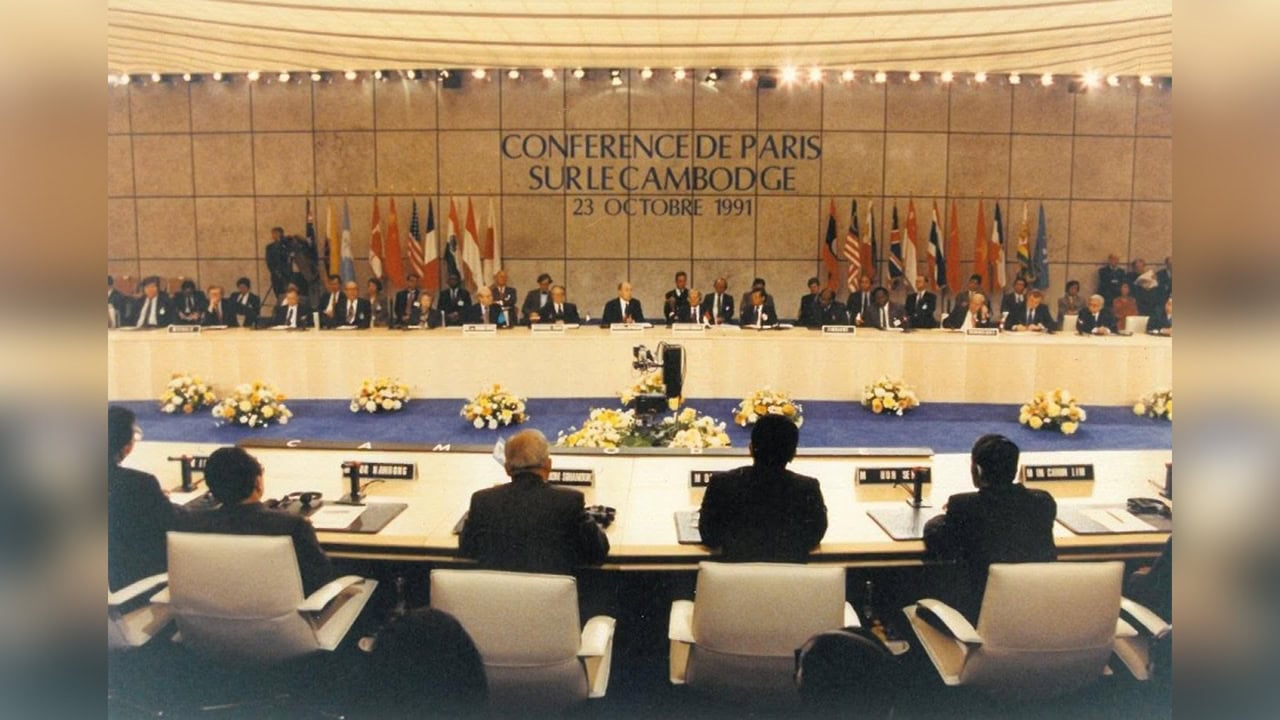
As a Cambodian citizen, I believe the 1991 Paris Peace Agreements should be more than a record of history. They are binding international pledges to protect Cambodia's sovereignty, independence, territorial integrity and national unity.
The obligations of the signatories are clear. Under Article 2 of the agreement on Cambodia's sovereignty, the other parties committed to respect Cambodia's sovereignty and territorial integrity, to stay out of its internal affairs, and to refrain from threatening or using force against it. Article 28 of the Comprehensive Political Settlement also requires signatories to carry out their duties in good faith.
Thailand, like every other signatory, is bound to uphold these commitments. Any claim that a breach has occurred should be tested against the treaty, the relevant border agreements, the historical record and applicable international law, rather than political rhetoric or military strength.
Nor does this responsibility stop with Cambodia's neighbours. Other signatories and the wider international community must take their own commitments seriously, support peaceful ways of settling disputes, and pursue suitable diplomatic action when credible concerns arise. The agreements themselves call for consultation and appropriate steps to address actual or threatened violations.
Signing an international accord means accepting responsibility, not simply making a promise. No signatory should regard these commitments as optional, and no dispute should ever be settled by force.
Thirty-five years on, my message is straightforward: Cambodia's sovereignty must be respected, every signatory must meet its obligations, and accountability should rest on evidence and international law.
The world helped make peace possible in Paris. Now it must help ensure that peace is upheld.