One Standard for All Neighbours
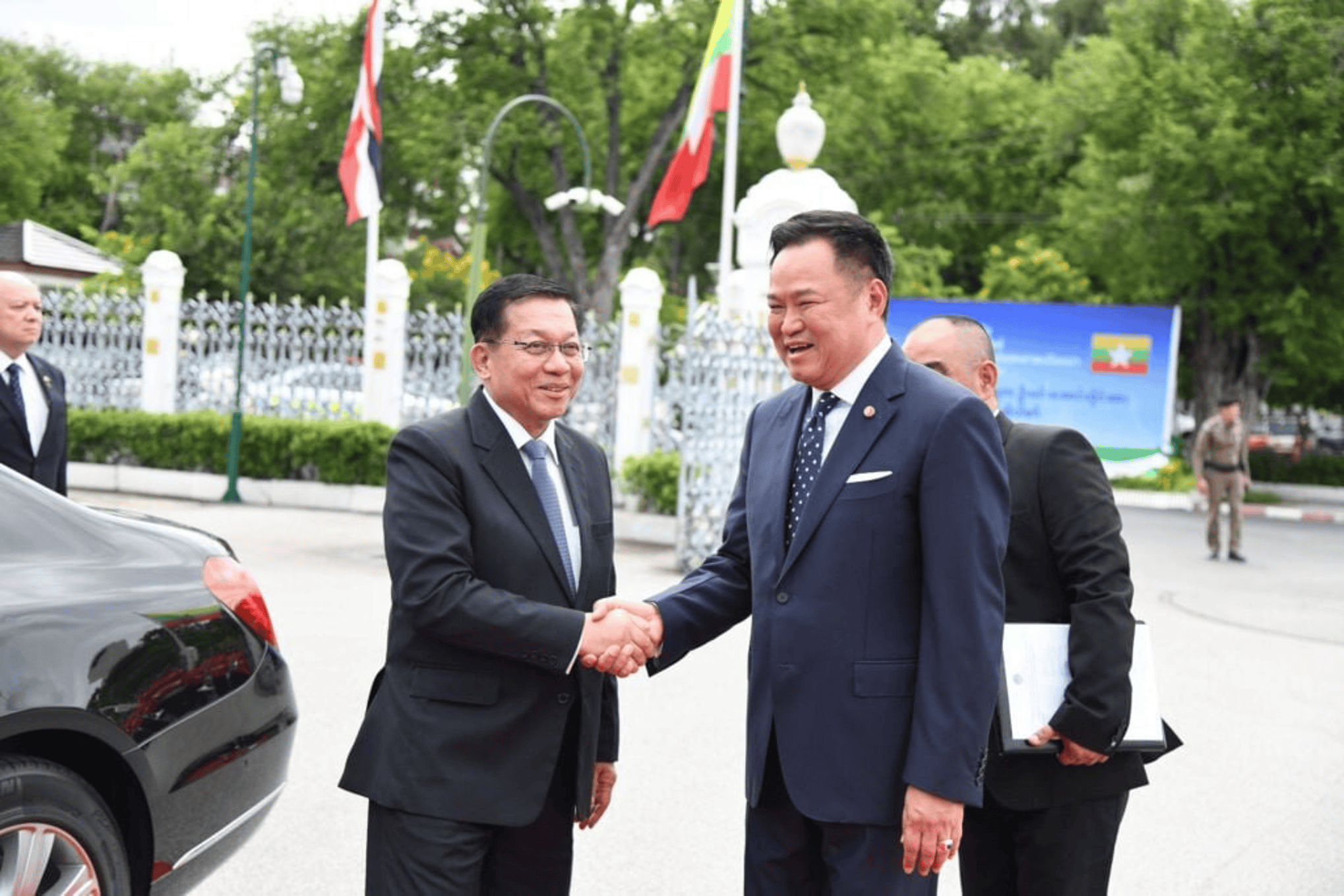
A central question for Bangkok is whether Thailand follows the same diplomatic rules toward every neighbour, or adjusts its approach depending on the size, strength and economic importance of the country across its border.
Thailand's regional role
Thailand often presents itself as a leading voice in ASEAN. That standing carries a responsibility: a major regional actor should show the same respect for sovereignty and peaceful dispute settlement toward smaller neighbours that it expects from larger ones.
Malaysia: cooperation as the default
Thailand has described Malaysia as its top ASEAN trading partner. In July 2026, Prime Minister Anutin Charnvirakul visited Malaysia and stressed trade, investment, tourism, border links and security cooperation. The two sides discussed raising bilateral trade to $30 billion and treating the border as a space of economic opportunity, with particular relevance for Thailand's southern provinces.
This is a sensible path. Dialogue and economic cooperation are exactly what neighbouring countries should pursue.
Yet it invites comparison. If interdependence and strategic interests push Thailand to negotiate and cooperate with Malaysia, why can disagreements with Cambodia so often turn into pressure, confrontation or nationalist rhetoric?
Myanmar: restraint is possible
Myanmar offers another revealing case. After violence and military operations affected areas near the Thai border, including an April 2026 incident in which a bomb fell inside Thai territory in Mae Hong Son province, Thailand chose evacuations and tightened border security rather than a direct military response.
That may have been a legitimate way to avoid escalation. It also shows that Thailand can choose restraint. The sharper issue is when it chooses restraint, and toward whom.
Cambodia should not be the exception
Cambodia is Thailand's neighbour, not its enemy. Cambodian workers, traders, students, families and businesses have deep links with Thailand. The two countries share geography, culture, history and constant human contact.
Still, when disputes arise, public language can become far more aggressive. That can create the impression that the threshold for applying pressure to a smaller neighbour is lower than the threshold for confronting a larger or more strategically important one.
That is the concern Thailand should address. The question is not whether every dispute is identical, or whether every Thai government has acted the same way. They have not. The simpler question is whether international principles should change according to the size and strength of the neighbour.
Strength is not a licence to intimidate
Military power does not create superior sovereignty. Economic scale does not make one country more entitled under international law. A smaller population does not mean a country's territorial rights matter less, nor should being the smaller neighbour require silence whenever interests are challenged.
Cambodia has increasingly relied on diplomatic and legal channels. On September 15, 2026, Cambodia and Thailand began a UN-backed compulsory conciliation process over their maritime boundary dispute, with the opening meeting held in Singapore.
This is the kind of mechanism ASEAN should encourage: present the evidence, apply the law, and let diplomacy work before military power.
Consistency is the test
Thailand cannot promote regional peace while appearing to use different diplomatic temperatures for different neighbours. It cannot ask smaller countries to respect Thai sovereignty while expecting those same countries to accept pressure when Thai interests are involved. It cannot celebrate partnership with one neighbour and allow conflict with another to become fuel for nationalism.
Foreign policy is not judged by how loudly a country speaks. It is judged by whether its principles still apply when it deals with a weaker country.
If Malaysia can be treated as an essential economic and strategic partner, and if Myanmar can be met with restraint after serious incidents near the Thai border, then Cambodia should also be approached through diplomacy, evidence, international law and mutual respect.
There should not be one standard for strong neighbours and another for small ones. There should be one standard.
An appeal for equal dignity
Cambodia's wish for peace should not be mistaken for weakness. Its smaller economy should not be treated as smaller sovereignty. A Cambodian appeal to international law should not be read as hostility, and political rhetoric should not be allowed to turn ordinary Cambodians and Thais against one another.
Because Thailand is an important ASEAN member, it has an opportunity to demonstrate responsible regional leadership.
Real strength is not threatening the weaker neighbour. Real strength is having the confidence to treat the weaker neighbour with the same dignity given to the stronger one.
Cambodia does not need hostility with Thailand. It does not need a culture war with Thailand. It needs a relationship based on:
- equal sovereignty
- evidence
- international law
- mutual respect
- peaceful coexistence
Ordinary Thai people deserve the same.
Governments may negotiate borders, but daily peace belongs to ordinary people.