Let Evidence Guide the Conversation on Khmer Heritage
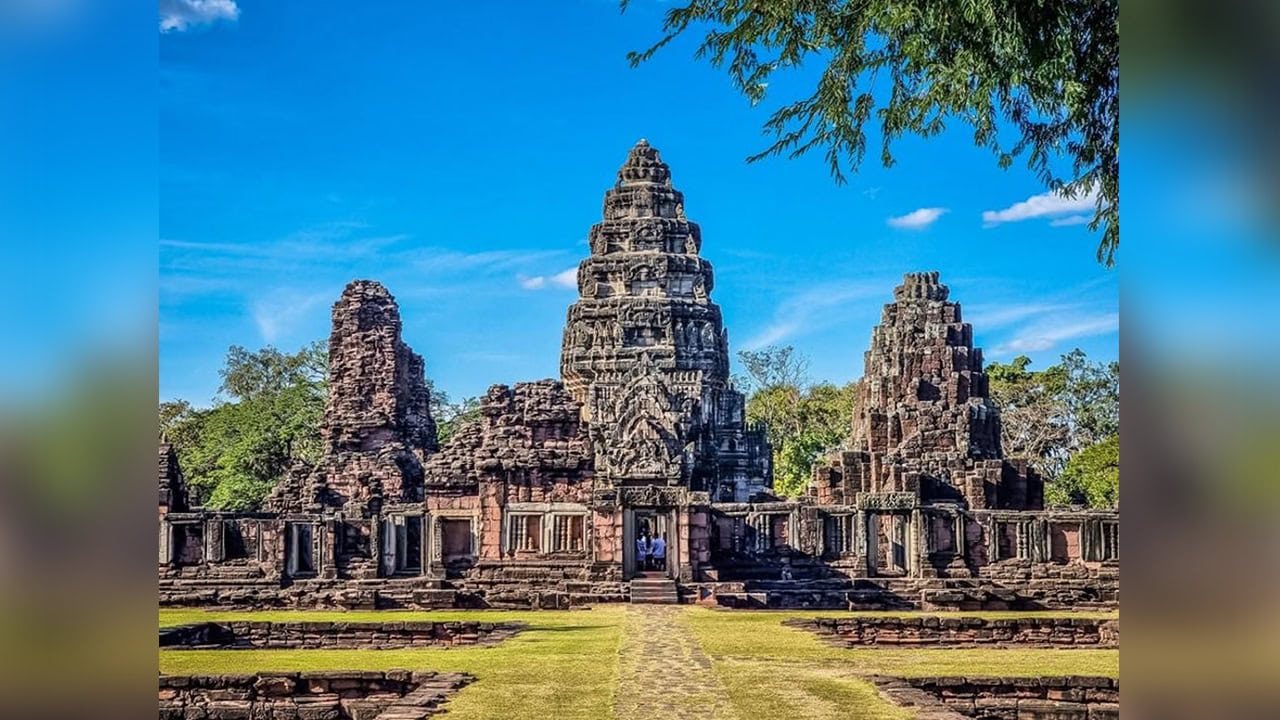
History is not confined by modern boundaries, yet that basic point is often lost when the cultural heritage of mainland Southeast Asia is reframed through today’s nationalist lenses. In recent years, some regional observers have grown worried about what they call a broader pattern of cultural rewriting — not because Thai people are being accused of wrongdoing, but because the way the past is being presented raises scholarly concerns.
What the debate is really about
At issue is a tendency, both official and commercial, to describe the shared and layered heritage of mainland Southeast Asia as if it belonged mainly to one modern nation. In that version, the deep Khmer, Mon, and Indic roots of the region are downplayed or left out.
The historical record tells a different story. The Chao Phraya and Mekong basins were shaped by centuries of movement, trade, conflict, intermarriage, and the steady exchange of ideas, rituals, art, and governance practices.
Early Mon polities such as Dvaravati helped spread Theravada traditions, while the Khmer Empire built a wide-ranging civilisation whose administrative, religious, and architectural influence stretched far across the region. Later Tai-speaking states, especially Ayutthaya, absorbed and transformed these inherited traditions. They adopted Khmer court forms, Sanskrit-linked ritual practices, and high-register vocabulary, while also creating their own literary, legal, and social traditions.
The real problem is not cultural borrowing. It is the attempt to push modern national borders backward in time, turning a shared and evolving past into an exclusive national inheritance.
The material record is clear
Archaeology, inscriptions, and standing monuments do not shift to match present-day political claims. Sites such as Phimai and Phanom Rung on the Khorat Plateau were built as part of the Angkorian royal road network. Their Old Khmer and Sanskrit inscriptions point directly to Angkorian administration, devotion, and royal patronage.
Acknowledging that fact does not threaten Thailand’s modern sovereignty over the land where these sites stand. Territorial jurisdiction is a matter of treaties, international law, and modern boundary agreements. Cultural origin is a matter of evidence.
Confusing the two weakens public understanding of history.
Language, performance, and memory
The same pattern appears in language and ritual culture. A large portion of Thai court, religious, and ceremonial vocabulary comes from Old and Middle Khmer roots. Court dance, textiles, and ritual imagery also show lineages that can be traced through Angkorian-era visual records long before modern national identities took shape.
Recognising these connections does not reduce Thailand’s cultural accomplishments. It highlights the sophisticated process of adaptation that helped create Siamese civilisation. Borrowing is normal in human history. Erasing the sources is not.
Why evidence matters now
Tourism promotion, digital platforms, and soft-power campaigns increasingly shape how heritage is understood around the world. That makes scholarly accuracy more important, not less.
- Marketing should not overrule peer-reviewed archaeology and linguistics.
- Shared heritage is not the same as interchangeable origin.
- Artistic forms should not be detached from the cultures that produced them.
Defending the Khmer side of this heritage does not require inflated claims or hostility toward neighbours. It requires loyalty to verifiable evidence: inscriptions, excavated layers, manuscripts, comparative language study, and accessible international archives.
The past cannot be rewritten by slogans, algorithms, or campaigns. It should be judged by what can be shown, tested, and confirmed.