Addressing Thailand's UN Statement: A Call for Accountability After Cross-Border Military Action
In response to Prime Minister Anutin Charnvirakul's address at the 81st United Nations General Assembly in September 2026, where he spoke of Thailand's commitment to peace and collaborative conflict resolution, serious questions remain about reconciling those words with recent events along the Cambodia-Thailand border.
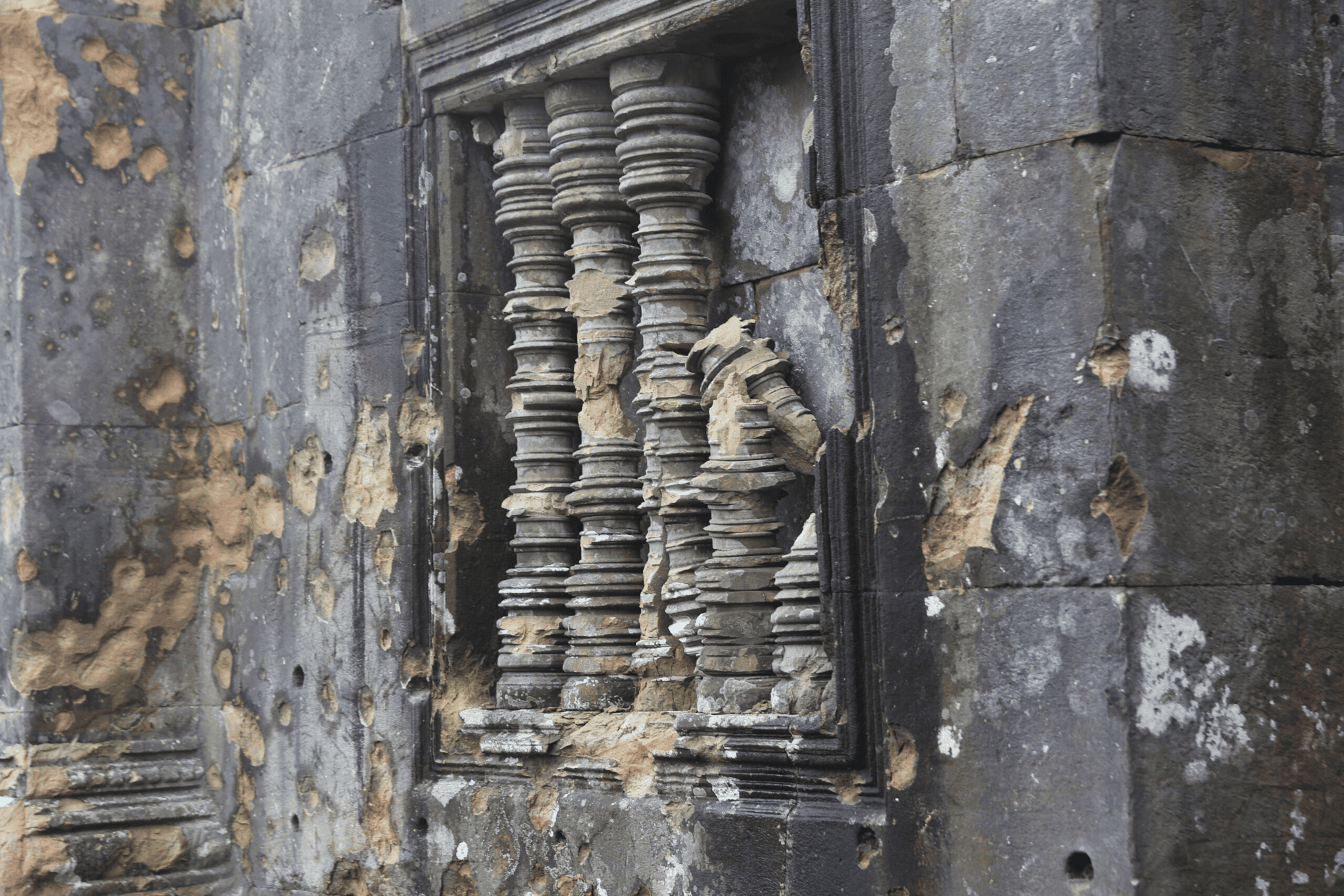
While the Prime Minister's message emphasized cooperation and non-aggression, the reality experienced by Cambodian communities tells a different story. Thailand has confirmed conducting airstrikes within Cambodian territory, resulting in civilian casualties, mass displacement, property destruction, and significant damage to infrastructure. The historic Temple of Preah Vihear, a UNESCO World Heritage Site, sustained artillery damage and structural harm that remains visible today.
The Historical Record
International media documented the conflict extensively. In early December 2025, Reuters confirmed that Thai military aircraft struck locations inside Cambodia. While Thailand characterized these as operations against military installations, Cambodia described them as unprovoked attacks. Initial reports indicated four civilian deaths on the first day of airstrikes.
Senior Thai military officials were quoted stating their intention to permanently diminish Cambodia's military capabilities. Subsequent strikes near Poipet were also acknowledged by Thailand, though the two governments disputed whether residential areas were hit. Thailand maintained it targeted a weapons depot on the periphery with appropriate safeguards, while Cambodia reported bombs falling in civilian zones with resulting injuries.
By January 2026, international reporting indicated approximately 101 deaths and over half a million displaced persons from two major rounds of fighting. By May, the combined death toll approached 150. These figures demonstrate this was substantial armed conflict, not merely border patrol tensions.
Questions of Aggression and Defense
Cambodia characterizes the incursion of Thai aircraft, artillery, and ground forces into its territory as an invasion. Thailand rejects this terminology, asserting self-defense. While portions of the border remain officially undemarcated and responsibility for specific incidents is disputed, these matters require resolution through evidence and international law rather than unilateral assertion by the militarily superior party.
The difficulty for many Cambodians stems from this disconnect: Thailand acknowledges the cross-border strikes yet positions Cambodia as primarily responsible for achieving peace. Communities that experienced loss of life, forced evacuation, and destruction of homes and sacred sites struggle to understand how the nation that deployed military aircraft across the border now presents itself primarily as a victim.
Cultural Heritage as Physical Evidence
The Temple of Preah Vihear represents an eleventh-century architectural masterpiece. The International Court of Justice ruled in 1962 that the temple sits within Cambodian sovereign territory, a judgment clarified and reinforced in 2013 to include the entire promontory.
When international journalists visited in March 2026, they documented stone fragments, artillery craters, fire damage, and extensive harm throughout the complex. Cambodia's cultural ministry identified 142 damaged locations from July hostilities and 420 from December fighting. All five main gateway structures sustained damage, three severely. While independent verification of the complete Cambodian assessment remained pending, the appropriate response is not dismissal but rather unrestricted access for UNESCO and heritage conservation experts.
Thailand alleges Cambodian military use of the site; Cambodia alleges deliberate targeting by Thailand. Rather than adjudicating through political declarations, an impartial examination is essential. Regardless of final conclusions, a monument of global significance sustained serious damage, an outcome no responsible government should accept without thorough investigation.
Cambodia's Diplomatic Track Record
Cambodia participated in ceasefire agreements established in July and December 2025, engaged through ASEAN mechanisms, and maintained pursuit of dialogue. The UN Secretary-General urged both governments to protect civilians, honor the ceasefire, and utilize peaceful dispute resolution. In September 2026, both nations entered UN-supported conciliation regarding their maritime boundary, demonstrating Cambodia's willingness to pursue legal frameworks when bilateral negotiations stall.
Both countries possess legitimate rights to present evidence and protect their citizens. However, fairness requires acknowledging disparities in military capacity, the use of air power, and the locations where ordnance landed. These elements are fundamental to accountability.
Concrete Steps Toward Credible Peace
If Thailand's UN commitments reflect genuine intent, specific verifiable actions should follow:
- Independent fact-finding: Support an impartial international investigation into how hostilities began, cross-border strikes, artillery deployment, civilian casualties, and damage to civilian and cultural property.
- Complete observer access: Allow ASEAN observers into all ceasefire-relevant locations, including areas where military positions, barriers, infrastructure, or territorial claims are contested.
- Freeze on unilateral changes: Halt new fortifications, barriers, excavations, road construction, and troop buildups in disputed or undemarcated zones pending verified agreements.
- Safe return guarantees: Ensure displaced Cambodian families can return voluntarily and safely to their homes, agricultural land, schools, religious sites, and community facilities.
- Heritage assessment and repair: Facilitate joint UNESCO and conservation expert evaluation of Preah Vihear and all affected heritage locations, publish findings, and contribute to restoration where responsibility is determined.
- Accountability mechanisms: Establish credible processes for compensation, reconstruction, and individual accountability where independent evidence confirms unlawful civilian harm or destruction.
- Legal border resolution: Resume effective demarcation efforts and accept adjudication, conciliation, or other peaceful settlement mechanisms for remaining boundary disputes.
Peace requires more than eloquent speeches at international forums. It demands that both governments confront the consequences of their actions transparently, particularly when those actions cross international borders. Thailand and Cambodia both owe this honesty to their citizens and to the international community that seeks lasting stability in the region.