Social Media: Real Cultural Appreciation or Surface-Level Tourism?
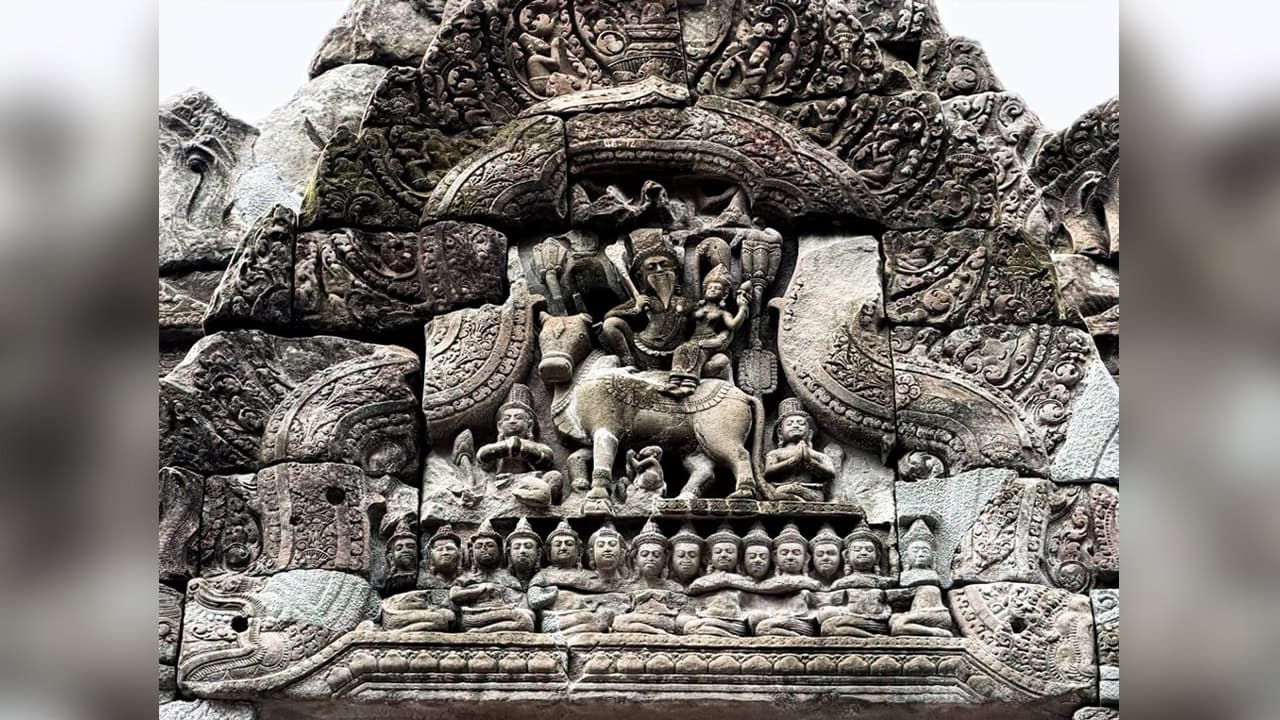
Platforms such as TikTok, Instagram and YouTube have changed the way people learn about culture and plan their travels. Rather than relying only on guidebooks and documentaries, travellers now turn to vlogs, short clips and viral photos to decide where to go and how to see a place. In Cambodia, Angkor Wat, Khmer street food and lesser-known destinations have drawn international attention through these platforms.
That visibility can help local economies and encourage people to appreciate other cultures. It can also flatten cultures into visual trends. Social media may raise awareness, but it can just as easily push tourism toward what looks good online rather than what means something.
How Social Media Promotes Cultural Appreciation
Social media lets communities present their own cultures to audiences around the world. Cambodian creators, for instance, share videos about Khmer cooking, traditional dance, local markets and daily life, giving viewers a glimpse of Cambodia beyond common stereotypes.
This exposure also opens up economic opportunities. In tourist hubs such as Siem Reap, restaurants, hotels, vendors and tour operators rely on visitor spending. When people discover these places online, local businesses become more visible and can attract more customers.
Exposure to other traditions can also build understanding between cultures. The worldwide success of Korean music, television dramas and food has introduced many international audiences to Korean culture, and Japanese creators regularly share their customs online. Content like this can spark curiosity and encourage people to learn more about societies they might otherwise never have considered.
Superficial Tourism: When Culture Becomes Content
Still, social media can encourage shallow tourism. Many travellers look for locations that will make eye-catching content, so the look of a place can matter more than its cultural meaning. Historic sites and traditional neighbourhoods risk becoming little more than backdrops for photos, rather than places to learn from and respect.
In Cambodia, some visitors come to Phnom Penh and Siem Reap mainly to film travel content, without taking the time to learn about Khmer history or hear from local people. When a destination is promoted largely through attractive images, its cultural importance can easily be lost.
Social media can also put pressure on communities to reshape their traditions to fit what tourists expect. Performances, clothing and neighbourhoods may be commercialised to meet visitors’ demand for experiences that seem authentic. As a result, meaningful traditions can be simplified or staged purely for entertainment.
A further concern is the way serious political issues get turned into entertainment. During the tensions between Cambodia and Thailand in 2025, some online content emphasised the most dramatic aspects of the conflict to grab attention. Such posts risk ignoring the real experiences of the people affected.
Counterarguments and International Examples
Supporters argue that even shallow exposure has value. A traveller may first visit a country because of a trend they saw online and later develop a far deeper interest in its culture. Tourism can also create jobs and bring income to local businesses.
Greater visibility, however, does not automatically lead to greater understanding or respect. In Bali, Indonesia, temples, beaches and rice fields have become favourite backdrops for social media content. Tourism supports the local economy, yet culturally significant spaces can turn into places people visit mainly to take pictures. Similarly, viral posts about Japanese streets and temples have raised concerns about overcrowding and the disruption caused to local residents.
South Korea offers another example. The popularity of K-pop, Korean dramas and food has fuelled strong international interest in the country’s culture. But some audiences may encounter it mainly as commercial entertainment, without learning about the wider traditions and social context behind it.
Taken together, these examples show that social media can foster cultural exchange and economic growth while also encouraging superficial tourism.
The Bottom Line
Social media has reshaped the relationship between tourism and culture. It helps countries such as Cambodia share their traditions, cuisine and historic sites with a global audience, creating chances for cultural exchange and support for local businesses. At the same time, it can turn places and communities into content built to capture online attention.
Real cultural appreciation demands more than attractive photos or viral clips. It takes education, respect and a willingness to listen to local voices. Travellers should look past what is visually appealing and make an effort to understand the histories and people behind their experiences. Culture is not just something to capture and share online. It is something to understand, respect and preserve.