Double Standards in Regional Diplomacy: Why Thailand Must Treat All Neighbours Equally
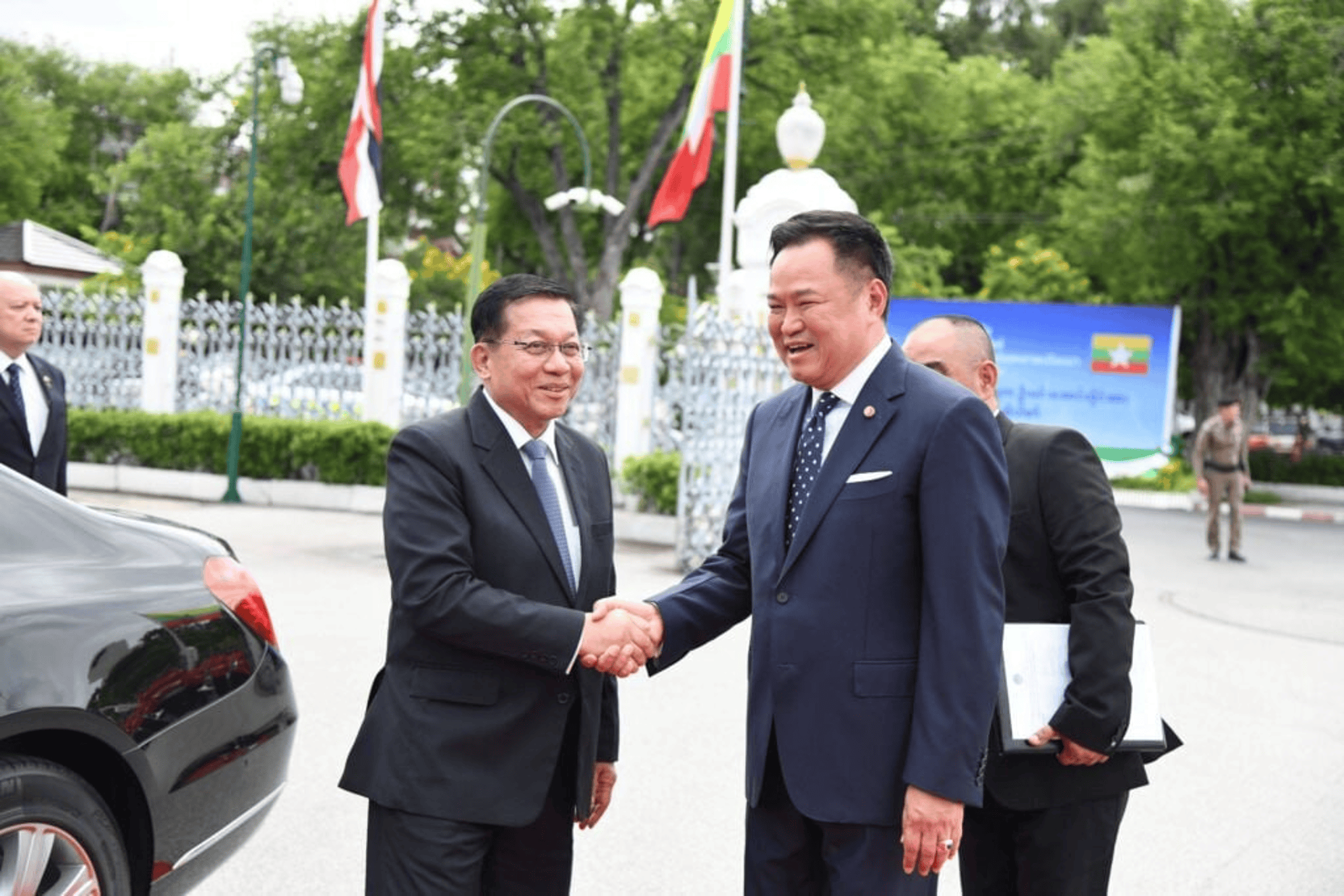
A critical question lies at the heart of Southeast Asian relations: does Thailand apply consistent diplomatic standards across its borders, or does its posture shift depending on the geopolitical weight and economic clout of the country next door? As an influential ASEAN power, Thailand bears the responsibility to uphold the principles of national sovereignty, peaceful conflict resolution, and mutual respect equally—regardless of the size of its neighbour.
Economic Pragmatism with Malaysia
Thailand’s engagement with Malaysia illustrates diplomacy driven by mutual benefit and compromise. Ranking Malaysia as its top trading partner within ASEAN, Bangkok has consistently prioritized trade, tourism, and border connectivity. During a high-level visit to Malaysia in July 2026, Thai Prime Minister Anutin Charnvirakul focused on joint economic initiatives, setting an ambitious bilateral trade target of $30 billion and framing the shared border as a corridor for prosperity. This cooperative posture has also been vital for the security and development of Thailand’s southern border provinces.
Such accommodation and dialogue represent textbook regional diplomacy. However, it naturally prompts a comparison: why are similar disputes and engagements handled with calm pragmatism when dealing with Kuala Lumpur, yet frequently met with heightened rhetoric when dealing with Phnom Penh?
Measured Restraint on the Myanmar Border
Thailand’s posture along its western border offers another compelling case study. When conflict spilled over from Myanmar in April 2026—including an incident where ordnance landed inside Thailand’s Mae Hong Son province—Bangkok opted for defensive evacuations and reinforced border surveillance rather than direct cross-border retaliation.
This restraint was a sensible choice aimed at preventing dangerous military escalation. It also clearly demonstrates that Thai leadership knows how to de-escalate tensions when it chooses to do so. The question, then, is not whether Thailand possesses diplomatic discipline, but why that discipline appears selective.
The Unequal Treatment of Cambodia
Despite sharing deep historical, cultural, and people-to-people connections, Cambodia often faces a noticeably different tone from Bangkok. Minor disagreements and border differences can rapidly become fodder for domestic nationalist posturing in Thailand, creating the unsettling impression that smaller neighbours are viewed as convenient targets for political pressure.
True sovereignty cannot be dictated by the size of a nation’s military or the scale of its gross domestic product. Smaller populations and emerging economies hold the same legal rights under international frameworks as larger powers. Cambodia has continually sought to settle differences through multilateral and legal avenues, as demonstrated by the opening of UN-backed compulsory conciliation talks over contested maritime zones in Singapore in September 2026.
The Need for a Single Standard
A regional power cannot credibly advocate for international law while applying varying diplomatic temperatures to different neighbours. Genuine leadership in ASEAN requires consistency: a foreign policy built on the same dignity, evidence-based dialogue, and respect for sovereignty, whether negotiating with a stronger economic partner or a smaller state.
Both Thais and Cambodians stand to gain far more from peaceful coexistence and legal cooperation than from manufactured confrontation. True regional strength does not lie in exerting pressure on smaller neighbours, but in having the confidence to treat every nation with equal respect.