Cultural Heritage and Historical Accuracy in Southeast Asia
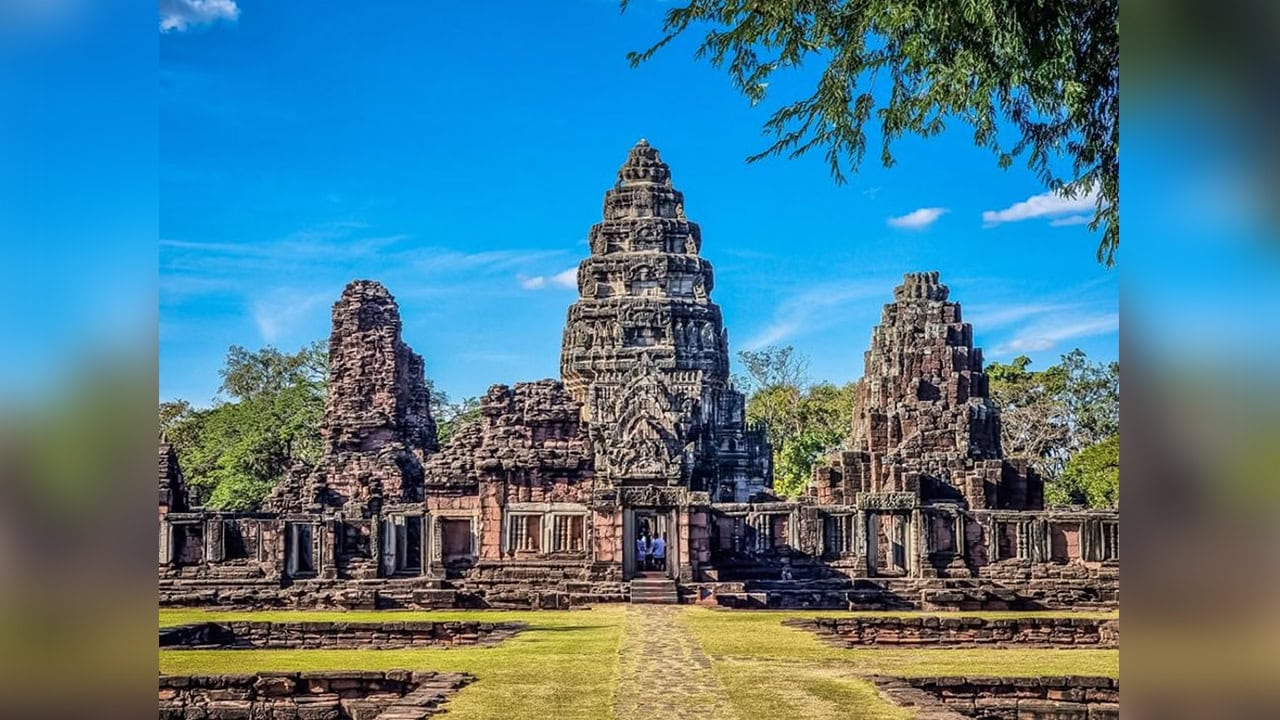
Modern political boundaries often distort our understanding of ancient cultural development, particularly when contemporary nationalism shapes the narrative of Southeast Asian history. A growing concern among regional scholars involves the systematic reframing of the region's complex, interconnected past through a singular national lens—specifically, the tendency to present mainland Southeast Asia's multilayered heritage as originating exclusively from one modern nation-state, while downplaying the Khmer, Mon, and Indic foundations that underpinned its development.
The historical reality of mainland Southeast Asia reflects centuries of cultural interchange rather than isolated development. The Chao Phraya and Mekong river basins witnessed continuous interaction among diverse communities through trade, migration, conflict, marriage, and the sharing of religious and artistic practices.
Before contemporary borders were established, Mon kingdoms introduced early forms of Theravada Buddhism to the region, while the Khmer Empire built an extensive civilization encompassing sophisticated administration, religious practice, and monumental architecture that extended across much of the mainland. Subsequently, Tai-speaking kingdoms, including Ayutthaya, absorbed and adapted these existing traditions—incorporating Khmer court protocols, Brahmanical ceremonies, and royal language—while simultaneously developing distinctive legal systems, literary traditions, and social structures. This cultural exchange flowed in multiple directions over centuries.
The issue is not that traditions evolved or spread across regions. Rather, the concern emerges when modern promotional efforts retroactively apply present-day national boundaries to ancient history, reducing complex cultural synthesis to exclusive national ownership.
Physical evidence makes this tension particularly evident. Archaeological sites and inscriptions cannot be reinterpreted to serve contemporary political narratives. Temple complexes on the Khorat Plateau, including Phimai and Phanom Rung, were built as integral parts of Angkor's infrastructure, featuring inscriptions in Old Khmer and Sanskrit that document their connections to Angkorian governance and royal sponsorship.
Acknowledging the Khmer civilizational origins of these monuments does not challenge modern sovereignty over the territory where they stand. Contemporary territorial control stems from twentieth-century treaties and international agreements; cultural origins are determined by archaeological and epigraphic evidence. Conflating these separate domains undermines historical integrity.
Language and cultural practices reveal similar patterns. Substantial portions of formal Thai vocabulary in administrative, religious, and ceremonial contexts derive directly from Old and Middle Khmer. Traditional court performances, textile arts, and ritual imagery trace their lineages to forms documented in Angkorian temple carvings predating modern national formations. Recognizing these connections does not diminish Thailand's cultural contributions; instead, it illuminates the sophisticated cross-cultural synthesis that shaped Siamese civilization. Cultural adaptation and borrowing are fundamental to human societies—the deliberate erasure of origins, however, constitutes historical distortion.
As tourism marketing, digital platforms, and cultural diplomacy increasingly shape global heritage perception, maintaining scholarly standards becomes critical. Commercial messaging should not replace peer-reviewed archaeological and linguistic research. Shared heritage does not equal identical origins, nor does it justify disconnecting ancient cultural forms from their creators.
Protecting Khmer heritage requires neither inflated claims nor hostility toward neighboring nations. It requires only commitment to verifiable evidence: stone inscriptions, archaeological findings, historical texts, linguistic analysis, and authenticated archival records. The past resists rewriting through marketing campaigns or social media narratives. It belongs to empirical evidence—and to those willing to honor history as it actually unfolded.