Genuine Peace Demands Adherence to International Law, Not Just Diplomatic Words
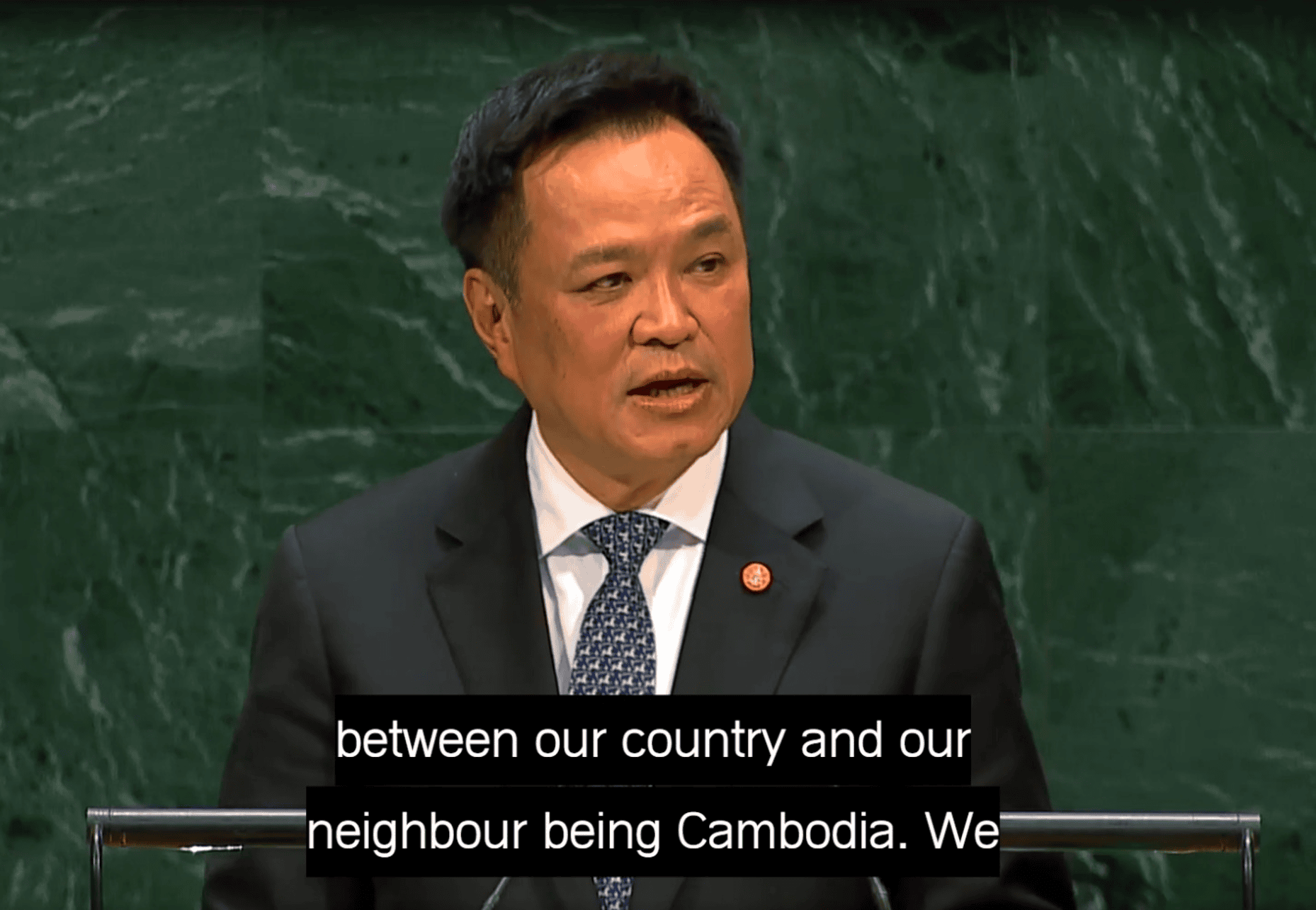
When Thailand's Prime Minister addressed the UN General Assembly this month, his call for peace between Cambodia and Thailand resonated with many who hope for stability in the region. Yet peace built on rhetoric alone remains fragile. True reconciliation requires both nations to demonstrate commitment through concrete actions: honoring international agreements, submitting to independent scrutiny, and treating each other as equals under established law.
Cambodia welcomes authentic efforts toward peace, but distinguishing sincere proposals from tactical maneuvering matters. The two countries must tackle their disagreements openly, invite neutral verification, and use established dispute-resolution mechanisms rather than relying on pressure tactics or conflicting claims.
Separating Crime from Sovereignty
Thailand has raised legitimate concerns about cross-border criminal enterprises and online fraud affecting its citizens. These grievances deserve serious international attention and cooperative law enforcement responses. However, criminal networks operating across borders represent a distinct category from questions of territorial boundaries, historical claims, and sovereign borders.
Addressing one issue should not come at the expense of examining the other. If the international community is expected to consider Thailand's law enforcement concerns, Cambodia deserves equal standing to present evidence regarding its territorial integrity and the historical basis for its borders. This balanced approach reflects not hostility but basic fairness under international law.
The Role of Evidence and Verification
Nations situated far from Southeast Asia may lack direct knowledge of the region's complex history and current realities. They rely on treaties, historical records, official maps, and accounts from the parties involved. International bodies therefore bear responsibility for consulting primary documents, reviewing independent verification efforts, examining established legal precedents, and listening to affected communities living along the frontier.
Neither Cambodia nor Thailand should expect the world to accept its narrative unchallenged. Both countries must accept outside examination of their positions. Justice at the international level demands impartial consideration of all pertinent evidence.
Building a Framework for Lasting Stability
Thailand's commitment to peaceful coexistence creates an opening for both nations to reinforce mechanisms supporting stability. This framework should encompass strict adherence to international law and binding agreements, substantive talks conducted in good faith, neutral fact-finding missions, safeguards for civilians in border areas, and recourse to established channels for resolving disputes.
Durable peace cannot rest on military superiority, economic leverage, or political influence. It must rest on shared respect for transparent rules that bind all parties equally.
Peace Belongs to Ordinary People
Cambodians and Thais alike deserve security, dignity, and opportunity for economic advancement. Border communities on both sides have suffered enough uncertainty. While governments may contest interpretations of history and law, citizens should not become adversaries over unresolved governmental disputes.
Both countries can simultaneously combat transnational crime and resolve territorial questions through lawful channels. These goals need not conflict. The international community should impartially weigh evidence from both sides and ensure that international law protects smaller nations and larger ones with equal force.
Moving Forward
This appeal is not for conflict but for honesty, documented facts, open communication, accountability, and unwavering commitment to international law. The Thai and Cambodian peoples merit mutual respect. Real peace cannot emerge from dodging hard truths or allowing one concern to eclipse another.
If Thailand truly wants peace, Cambodia should recognize and embrace that aspiration. Yet aspirations must translate into deed. Both governments should strengthen collaborative mechanisms, submit disputed facts to independent review, uphold each other's sovereignty, and enforce the same legal standards universally. Peace demands more than silence. Peace demands justice. And justice begins with treating all nations fairly under the law.