
Ancient Indian Medicine System Offers Path to Modern Wellness
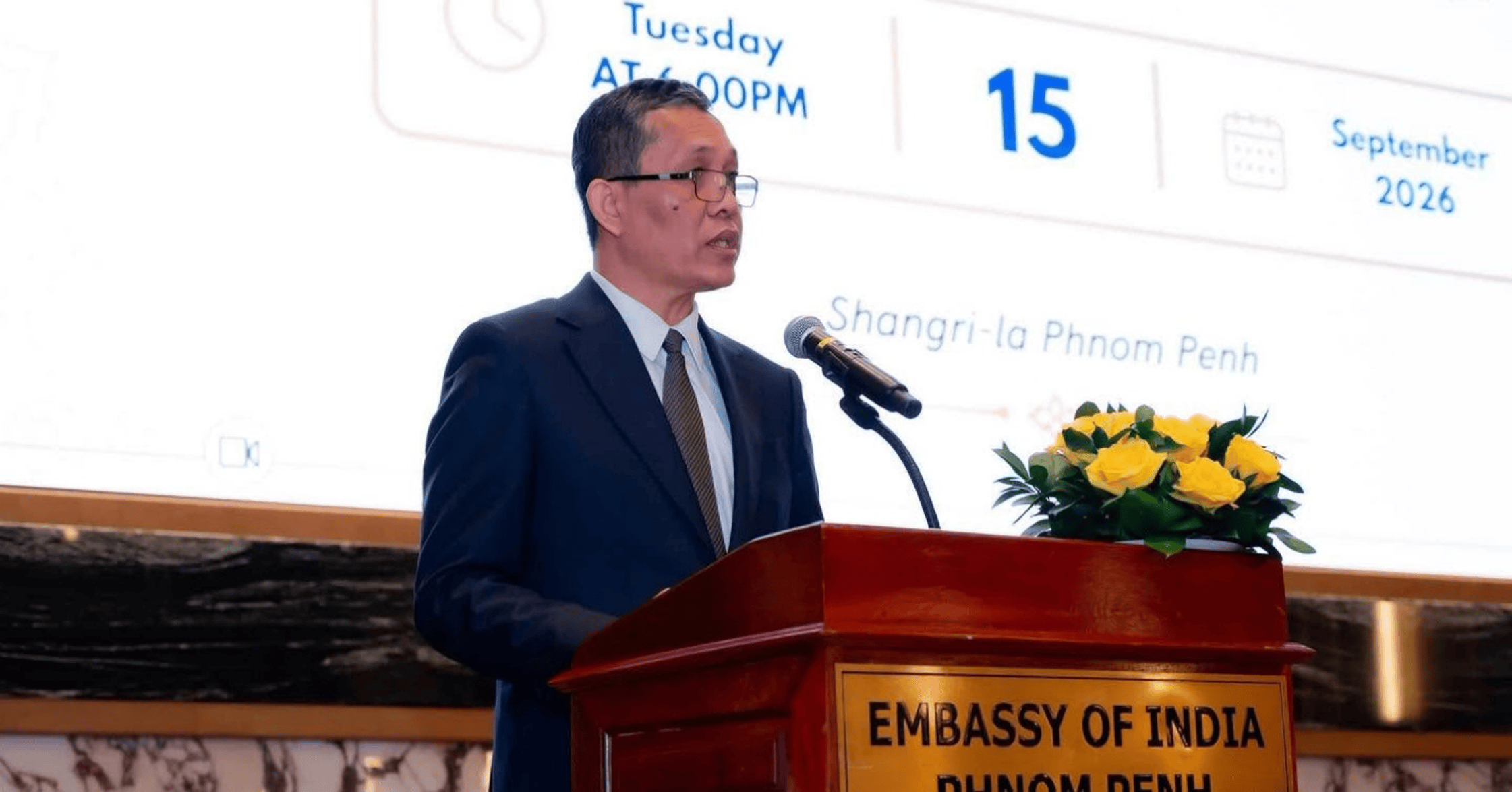
September 23 marks the 11th annual celebration of Ayurveda Day under the banner "Ayurveda for a Healthier Tomorrow." This year's message highlights how India's millennia-old healing tradition continues to offer valuable insights for contemporary health challenges and sustainable living.
Rooted in holistic principles, this ancient medical system prioritizes disease prevention and seeks to create harmony among physical health, mental state, daily habits, and environmental factors. Its focus on nutritional balance, structured routines, and proactive health maintenance aligns well with today's growing emphasis on wellness culture.
Modernizing Traditional Knowledge
The practice successfully bridges ancestral wisdom with current scientific methods, incorporating research protocols, quality controls, and innovative approaches. This integration allows traditional healing methods to remain applicable to modern healthcare requirements while preserving their historical foundations.
India established a dedicated Ministry of AYUSH in 2014 to oversee the advancement of Ayurveda and related traditional medical systems. Over the following twelve years, the ministry has channeled resources into education programs, research initiatives, healthcare delivery, infrastructure development, quality standards, and global partnerships.
Key programs include the National AYUSH Mission, which bolsters healthcare services and facilities, along with AYURSWASTHYA research support and the AOGUSY scheme focused on pharmaceutical quality and development. The government also prioritizes medicinal plant conservation and sustainable cultivation, recognizing these botanical resources as essential to traditional medicine practice.
Connections with Cambodia
The observance holds special significance in Cambodia due to longstanding civilizational ties between the two nations. Centuries of shared heritage in Buddhism, artistic expression, architectural achievements, and knowledge exchange have woven deep connections, with Angkor's remarkable temples exemplifying this historical relationship.
These cultural bonds create natural opportunities for collaboration in traditional medicine, wellness education, medicinal plant research, and professional training. Cambodia's expanding tourism and hospitality industries also present possibilities for wellness-focused partnerships, while Ayurvedic products have gained increasing visibility in urban centers like Phnom Penh and Siem Reap.
India actively promotes international cooperation through institutional partnerships, academic programs, research collaborations, and expert exchanges. Similar initiatives with Cambodian counterparts could yield mutual benefits in the health and wellness sectors.
A Vision for Prevention and Balance
The central message emphasizes prevention, equilibrium, and comprehensive well-being. Building a healthier future demands more than medical treatment advances—it requires heightened awareness of lifestyle choices, nutrition, physical activity, mental health, and ecological harmony. This year's celebration invites us to look forward while drawing on timeless wisdom from the past.