Beijing's Riverfront Light Festival Could Inspire Cambodia's Night-Tourism Ambitions
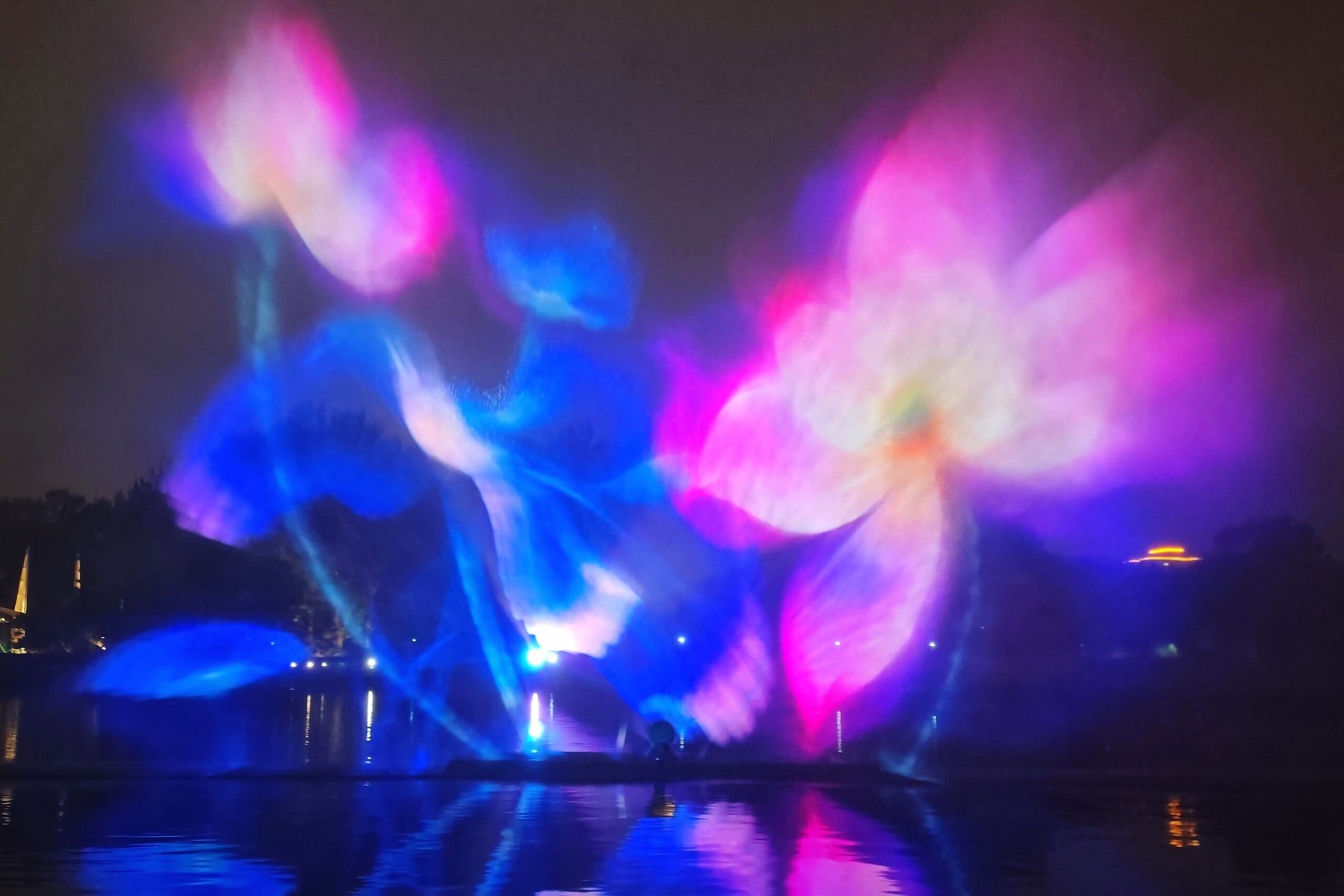
Beijing's reinvention of the Liangma River as an open-air venue for light displays, music, and international performances presents a compelling blueprint for Cambodia as it looks to grow night-time tourism around its waterways and public spaces. A group of ASEAN journalists got a firsthand look at the festival during a visit on September 24.
A Night of Art Along the River
The visiting journalists attended a launch ceremony for the 2026 Beijing Chaoyang International Light Consumption Season at the Shell Theatre, followed by a nighttime boat ride past a series of live performances and interactive art installations lining the Liangma River.
The event showcased how public art can be woven together with dining, retail, cultural programming, and tourism to draw visitors after sunset — bringing artistic experiences out of traditional gallery and theatre settings and into the open air.
Lessons for Phnom Penh and Siem Reap
The concept holds particular promise for Cambodia. Phnom Penh's riverside and the city of Siem Reap both have the ingredients — cultural performances, street food, public gathering spaces, and illuminated heritage sites — that could be linked through curated night-tourism itineraries.
Cambodia has already begun experimenting with after-dark cultural programming. The annual Thanks Angkor Festival and its "Memory Night" initiative have brought traditional performances into the Angkor Archaeological Park at night. A 2022 edition marking the 30th anniversary of Angkor's UNESCO World Heritage listing featured Lakhon Khol, Kun Lbokator, and other Khmer art forms performed behind Angkor Wat.
In 2023, roughly 80,000 visitors attended exhibitions and performances across the park, including Lakhon Yike, Lkhon Sbek Thom, and Lakhon Khol near Angkor Wat, as well as Khmer martial arts demonstrations at the Terrace of the Elephants.
Edinburgh Connection
Richard Lewis, current chairman of the Asian Arts Fund Scotland and a former leader of the Edinburgh Festivals Committee, praised the Liangma River setting as ideal for integrating art into daily urban life.
"The riverbank becomes our stage and the city our backdrop. Without barriers, art escapes the confines of theatres and galleries," Lewis said. "It blends with the evening river breeze, the city's streets and alleyways, and the routines of local residents."
Lewis noted that Edinburgh's festivals and the Liangma River International Arts Festival have launched a cultural exchange initiative called "Dialogue Between Two Cities." He expressed hope the programme would foster ongoing collaboration between Chaoyang and Edinburgh, including artist exchanges and the sharing of original works. Edinburgh's festival circuit draws more than 4.5 million attendees each year, turning the Scottish capital into a global stage through performances held in streets, historic buildings, and pop-up venues.
What the Festival Looks Like
During the boat tour, journalists took in a light-and-shadow show at the Shell Theatre, a water-piano installation at White Sail Pier, a traditional Chinese instrumental performance near Lotus Lake, and a floating "Rubik's Cube" stage on North Lake. Additional interactive water performances and light shows were staged at Shuidui Bridge and other spots along the route.
The festival includes 46 light-and-shadow installations developed in partnership with international art teams and eight leading Chinese art academies. Organizers designed four themed routes combining light art with music, food, creative industries, sports, and intangible cultural heritage. More than 20 cultural and entertainment events are planned across Chaoyang's main commercial areas.
Running from September 11 to October 11, the 2026 festival spans China's Mid-Autumn Festival and National Day holiday period, with the special light installations officially switched on September 24.
Cambodia's Next Steps
While the Beijing festival is not formally an ASEAN–China initiative, the presence of Southeast Asian journalists offered a window into how the Chinese capital connects public culture with tourism and the night-time economy.
For Cambodia, the takeaway is that night tourism need not rely exclusively on bars, restaurants, or commercial entertainment. Traditional music, dance, handicrafts, local cuisine, illuminated heritage, and river-based performances can all be woven into a richer cultural offering.
Phnom Penh could pilot similar programming along portions of its riverfront, while Siem Reap could build on Angkor's existing night events by linking them with the Siem Reap River, local markets, Khmer food, and traditional arts.
Cambodia has already taken a step in that direction with weekly cultural pop-up performances launched in Siem Reap on September 18, featuring Kun Lbokator at the Terrace of the Elephants on Fridays and Lkhon Sbek Thom along the Siem Reap River on Saturdays.