BeReal's Popularity in Japan Sparks Wave of Workplace Privacy Breaches
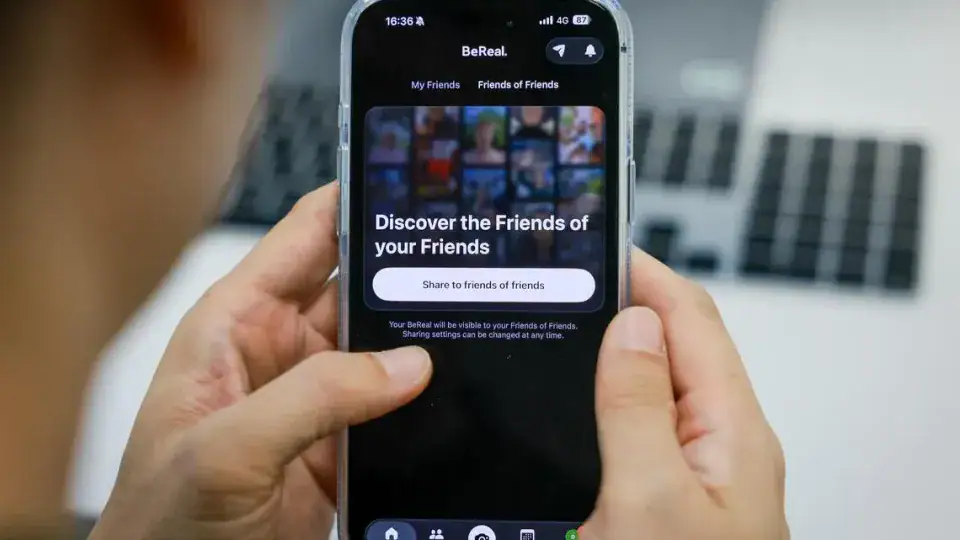
Every day at an unpredictable moment, over six million smartphones across Japan buzz with the same notification: BeReal is prompting users to share a photo of their current moment. The response is instant—young people everywhere, from classrooms to offices, reflexively reach for their devices to capture and post within the app's strict two-minute window.
While the French-born social media platform has seen its initial global buzz fade in many countries, it continues to captivate Japan's Generation Z audience. However, this seemingly innocent photo-sharing trend has exposed a serious vulnerability: workers are inadvertently leaking confidential corporate information and personal data through workplace snapshots posted without consideration.
The app, which launched in 2020 and gained worldwide traction in 2022, found its Japanese audience around 2023. Positioning itself as an authentic alternative to curated platforms, BeReal enforces rigid rules—users must photograph both themselves and their surroundings using front and back cameras simultaneously, with no filters or editing allowed. Those who respond promptly earn bonus posting privileges, while late submissions are publicly flagged and restrict access to friends' content until the user posts.
By June 2026, BeReal had attracted over 6.5 million monthly active users in Japan, with a remarkable 92 percent falling between ages 13 and 27—up from five million the previous year. The platform has become significant enough to earn a nomination for Japan's annual Buzzword award in 2024 and has partnered with major brands including Uniqlo, Shiseido, and Netflix for marketing campaigns.
The app's appeal in Japan appears rooted in its contrast to the nation's "kira-kira" culture—the social expectation to present a polished, flawless image. BeReal's requirement for unfiltered, spontaneous content offers relief from this pressure, allowing users to share genuine moments with close friends in posts that vanish after 24 hours.
Yet this urgency to post within the countdown timer has created significant security risks. A public broadcaster investigation documented at least 40 institutional data breaches linked to BeReal over a 45-day period between April and May. While Japanese youth remain active on TikTok, Instagram, X, LINE, and newer apps like South Korea's Setlog, BeReal's time pressure has proven uniquely problematic in workplace settings.
The false comfort of "friends-only" privacy settings has led employees to carelessly photograph their work environments, forgetting that screenshots can be shared beyond the app. The most damaging incident involved Nishi-Nippon City Bank, where an employee's branch office photo leaked onto X on April 29, accumulating over 10 million views. The image revealed eight private banking client names, a customer's address, details of 19 corporate accounts, and internal sales figures visible on a whiteboard.
The scandal forced bank president Hideyuki Murakami to issue a public apology, triggered a Financial Services Agency investigation, and caused parent company shares to drop nearly 3 percent.
Similar breaches have occurred nationwide since April. A Sendai elementary school teacher accidentally broadcast the city's internal school management system on a monitor behind her desk. A Tokyo Pizza-La employee exposed customer information, while a gyoza restaurant worker captured an applicant's resume in frame. An Ishikawa machinery company leaked internal pricing data, and a Hokkaido hospital inadvertently revealed patient names and ages through a reception desk photo.
Whether any employees faced disciplinary action remains unclear. Reports of such incidents appear to have decreased, likely due to heightened awareness following extensive negative media coverage in 2026, combined with companies strengthening their social media policies and security measures.
Security experts and sociologists distinguish these unintentional BeReal leaks from previous deliberate social media scandals. These employees harbor no malicious intent but have forgotten a fundamental internet principle: no digital space offers true privacy, and any upload can become a permanent record.
The crisis has prompted Japanese companies to urgently reassess cybersecurity practices, implementing stricter workplace protocols ranging from office-hours social media bans to mandatory smartphone storage. Even Nishi-Nippon City Bank, which already had rules against personal phone use at work, admitted these policies had gone unenforced until now.
As Japan's young workforce develops digital literacy, companies are learning that traditional workplace practices must continuously adapt to keep pace with emerging technologies reshaping daily life.