Cambodia and Thailand Agree on Confidence-Building Steps in UNCLOS Maritime Talks
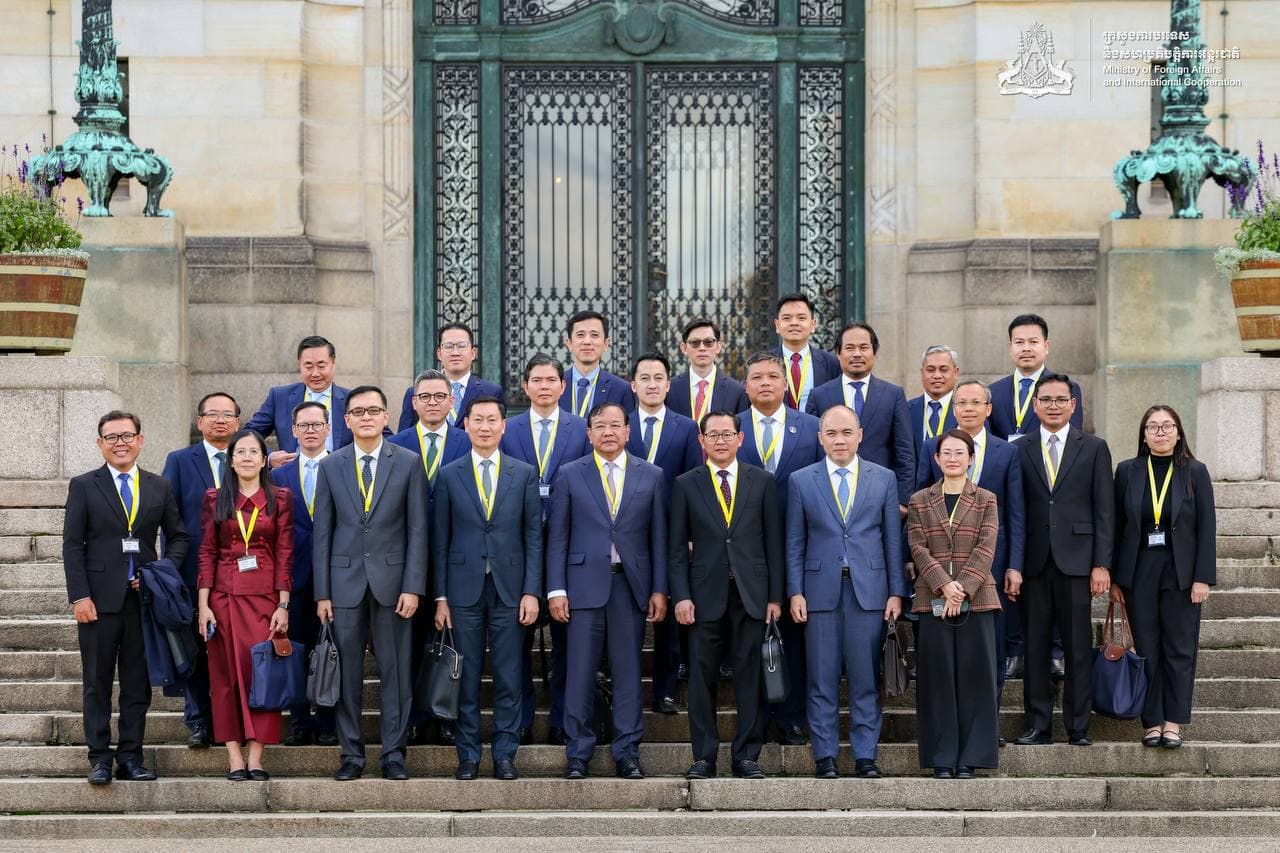
Cambodia and Thailand have both signalled support for moving ahead with the conciliation process under the UN Convention on the Law of the Sea (UNCLOS). The two neighbours have also agreed on a set of confidence-building measures, including mutual recognition of each side's right to make public statements in defence of its legitimate interests.
The understanding came out of the second session of the UNCLOS Conciliation Commission, held in The Hague, Netherlands, from October 14 to 18. Cambodia's Ministry of Foreign Affairs and International Cooperation announced the outcome in a statement on October 18.
According to the ministry, both parties accept that they may speak publicly to protect their lawful rights or to correct false information and disinformation.
The two countries still hold different positions on maritime boundary delimitation, and they have yet to agree on how to present their claims and grievances in international forums.
The commission urged both governments to put existing agreements and measures into practice, saying this would help create an atmosphere conducive to constructive negotiations within the conciliation framework.
Thailand's account
Thai Foreign Minister Sihasak Phuangketkeow, who led Thailand's delegation, said the process should stay strictly focused on maritime boundary delimitation under UNCLOS. Thai media reports from October 18 said the five-day meeting centred on legal and technical questions, including the principles and evidence each country relies on for its continental shelf and territorial sea claims.
Sihasak added that the commission had asked both sides to explain the legal basis for their positions so it could better assess the dispute. It also proposed confidence-building steps aimed at improving bilateral relations and preventing further tensions. These included refraining from accusations or statements in international forums that could undermine the conciliation, and avoiding actions that might provoke confrontation. He said Thailand supports these steps and argued that it has already been acting in line with them.
Asked about Cambodia's continued criticism of Thailand abroad, including remarks by Prime Minister Hun Manet during the commission's session, Sihasak said the climate for negotiations depends on Cambodia's willingness to honour the discussions. He noted that both sides had repeatedly stressed the need to avoid using international platforms to attack one another.
Reading the two accounts
Cambodia's statement emphasised the right to speak out in defence of legitimate interests and to correct misinformation. Thailand's account focused on refraining from attacks in international forums. The two accounts place different weight on public communication, but neither suggests the agreed measures would stop either country from making statements needed to protect its lawful rights.
Neither side has published the full text of the confidence-building measures.
What the conciliation process involves
Sihasak pointed out that the Permanent Court of Arbitration (PCA), which facilitates the conciliation, is separate from the International Court of Justice (ICJ), even though both are based at the Peace Palace in The Hague. He stressed that conciliation is not a binding legal procedure. Its goal is to help the parties reach an equitable settlement consistent with international law.
Under UNCLOS, conciliation allows an independent commission to examine a dispute and help the parties work toward an agreed solution. Unlike binding adjudication or arbitration, the commission's recommendations do not amount to a compulsory court ruling.
Cambodia launched the conciliation process in June 2026, after joining UNCLOS in March. The maritime track is separate from the bilateral Joint Boundary Commission (JBC), which handles land boundary demarcation. Cambodia's government holds that land boundary questions should be resolved through existing bilateral mechanisms, while maritime disputes should follow the applicable UNCLOS procedures.
The Cambodian foreign ministry thanked the commission and the PCA for facilitating constructive discussions and helping the two countries reach agreement on the confidence-building measures.
The commission's third meeting with Cambodia and Thailand is scheduled for November 24 to 27 in Kuala Lumpur, Malaysia. The ministry said the commission will issue its own official press release on the outcomes of the second meeting at a later date.