Cambodia and UNDP launch e-waste programme to support circular economy
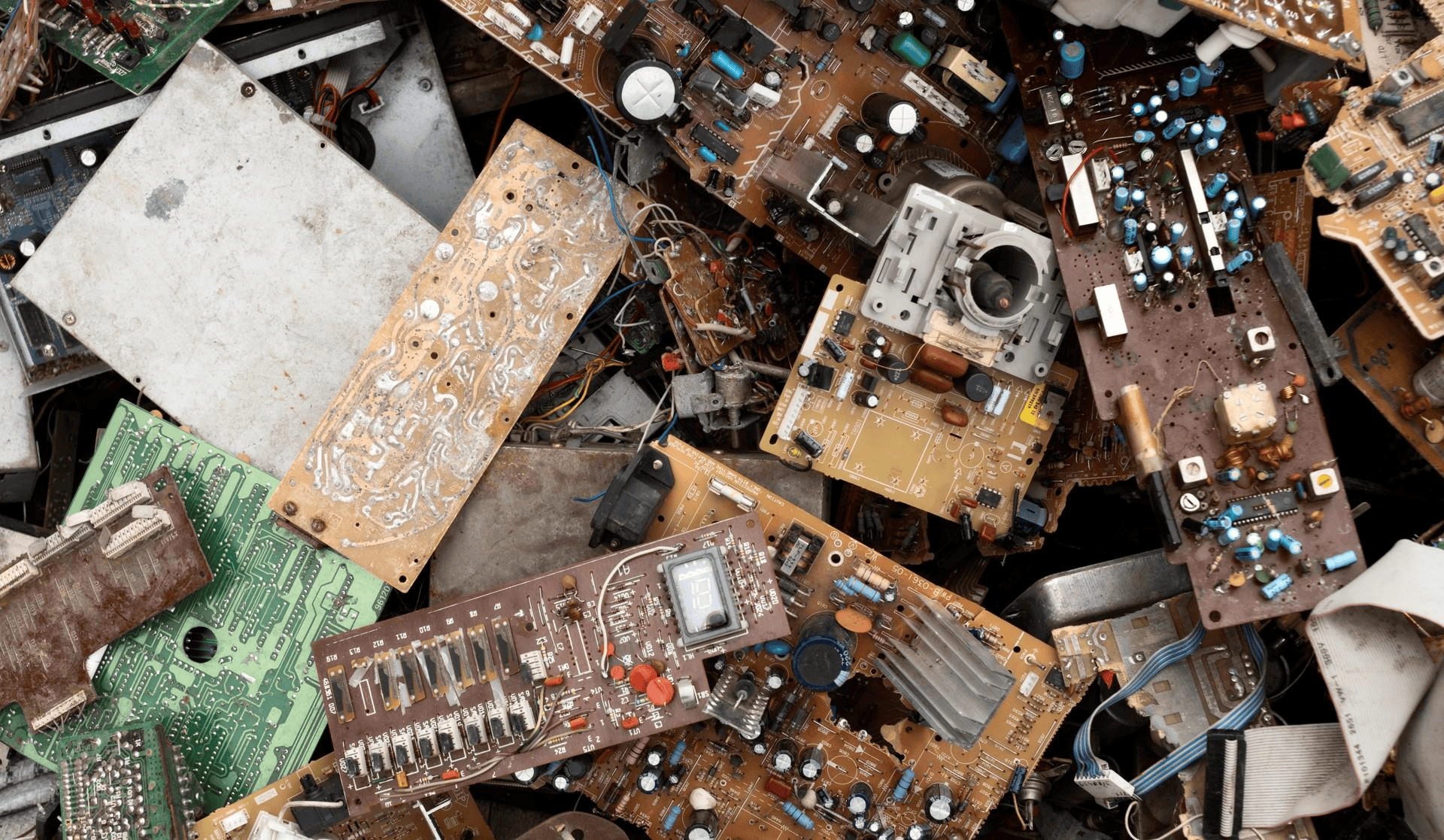
The UN Development Programme and Cambodia's Ministry of Environment have started a project aimed at improving management of discarded electronics and expanding circular economy practices in the country. The effort is funded through a $4 million grant from the Global Environment Facility.
The programme runs for five years, from 2026 to 2031, and is part of the Global Electronics Management, or GEM, initiative. That multi-country effort seeks to lower pollution and improve how resources are used across the electronics sector.
According to the UNDP, the project is expected to directly benefit more than 200,000 people by creating safer working conditions and reducing contact with hazardous waste.
It also brings in about $26 million in co-financing from Cambodia's government and private-sector partners. Officials expect it to cut greenhouse gas emissions by more than 27,000 tonnes, ensure safer handling and disposal of dangerous substances such as persistent organic pollutants and mercury, and stop more than 20,000 tonnes of toxic materials from entering the environment.
Modernising systems as device use rises
Cambodia is one of three countries where the UNDP is leading implementation of the GEM programme, with Vietnam and Colombia also taking part.
UNDP resident representative in Cambodia Enrico Gaveglia said the growth and changing patterns of electronic device use in the country are substantial.
He noted that Cambodia had an estimated 24 million electronic devices in use in 2024, underlining the need for systems capable of managing those products once they reach the end of their useful life.
Gaveglia said stronger safeguards and capacity are needed to protect workers and communities from hazardous practices and toxic exposure, while supporting safer, more practical systems that can protect public health and strengthen the country's sustainable and resilient economy.
Recovering materials safely
Xiaofang Zhou, head of cooling systems, circular economy and pollution prevention at the UNDP, said e-waste can contain valuable materials as well as hazardous substances, making safe recovery and reuse complicated.
She said the challenge is to recover those materials for reuse without creating risks to people or the environment, especially because many products are not designed for easy dismantling or material separation.
According to Zhou, stronger collection, dismantling and treatment systems are needed so materials can be recovered safely and efficiently, rather than being lost or processed in unsafe conditions.
Policy focus on circular economy
Environment Ministry Secretary of State Chuop Paris said the ministry is working to move waste management away from a linear model based on taking, making and disposing, and toward a circular economy that values resources, reduces waste and protects people's wellbeing and environmental quality.
He pointed to the Environmental Code and Natural Resources and the Environmental Circular Strategy 2023-2028, particularly its clean pillar, as the framework guiding policy and legal improvements.
Chuop Paris said these efforts aim to strengthen producer and importer responsibility, encourage innovation in recycling, resource recovery and reuse, and raise public awareness through campaigns and social events.
Addressing fast-growing pollution source
GEF CEO and chairperson ad interim Claude Gascon said the GEM programme is helping countries confront one of the fastest-growing sources of pollution.
He said that as electronics use continues to rise, the resulting environmental impacts become harder to manage without effective systems.
Gascon added that tackling e-waste also requires changes in market practices and clearer policies and standards to support safer and more sustainable operations. He called the Cambodia initiative an important step in building that foundation.