Cambodia and UNDP Partner to Overhaul E-Waste Systems and Lower Carbon Emissions
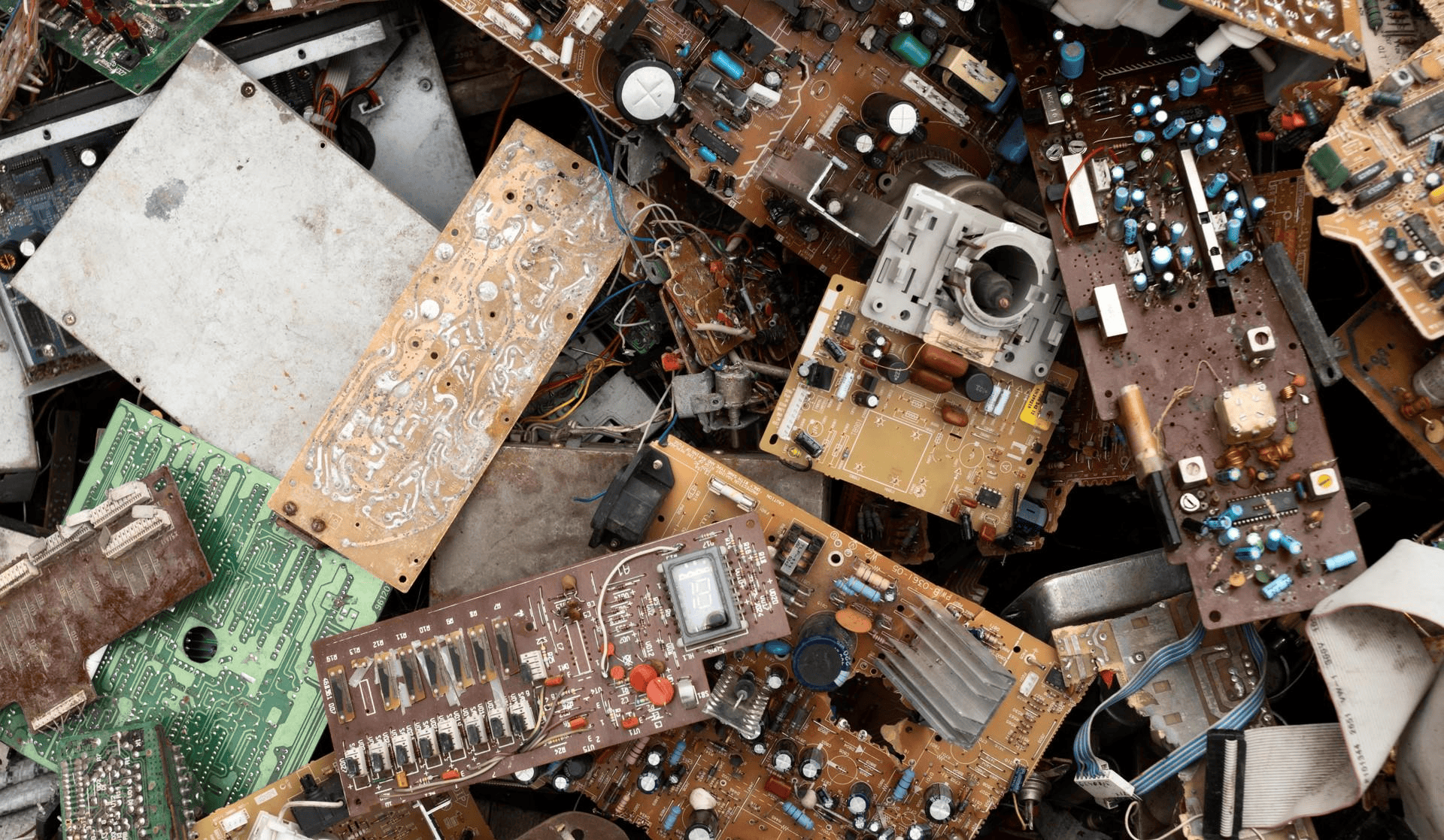
Cambodia is stepping up its fight against electronic waste through a new partnership between the United Nations Development Programme and the Ministry of Environment. Backed by a $4 million grant from the Global Environment Facility, the initiative aims to transform how the country manages discarded electronics and build a more circular economy over the next five years.
The project, which runs through 2031, is part of a broader international effort called the Global Electronics Management programme. It targets three countries—Cambodia, Vietnam, and Colombia—each working to reduce pollution across their electronics supply chains. In Cambodia alone, the initiative is projected to benefit over 200,000 people by improving workplace safety and limiting exposure to hazardous materials.
The scale of the challenge is significant. Cambodia currently has approximately 24 million electronic devices in active use, with more entering the market each year. When these devices reach the end of their lifespan, they often end up in unsafe conditions, exposing workers and communities to toxic substances including mercury and persistent organic pollutants.
With an additional $26 million in co-financing from the Cambodian government and private partners, the five-year effort aims to prevent more than 20,000 tonnes of toxic substances from contaminating the environment and cut greenhouse gas emissions by over 27,000 tonnes. The project will strengthen systems for collecting, dismantling, and recovering valuable materials from discarded electronics—a process that requires both technical expertise and careful safeguards.
Officials from the UNDP emphasized that e-waste contains materials worth recovering alongside genuine hazards. The challenge lies in extracting these materials without harming people or ecosystems, especially since many electronics are not designed with disassembly and material recovery in mind.
Cambodia's Ministry of Environment has committed to moving away from the traditional linear model of production and disposal toward a truly circular system. Recent policy frameworks, including the Environmental Circular Strategy 2023-2028, are being used to strengthen regulations, hold producers accountable, encourage recycling innovation, and raise public awareness.
Leaders from the Global Environment Facility stressed that as electronic device use continues to accelerate worldwide, countries without robust e-waste management systems will face mounting environmental damage. Effective solutions require not just better infrastructure but also market-wide changes and clearer international standards to drive safer, more sustainable practices.