Cambodia Calls on Global Media to Combat AI-Driven Misinformation and Embrace Fair Reporting
Cambodia has urged international media outlets to bolster their fact-checking practices, cautioning that the rise of artificial intelligence and social media platforms has made it far simpler for misleading or manipulated content to reach wide audiences. A top government official also stressed the importance of giving space to diverse perspectives in journalism.
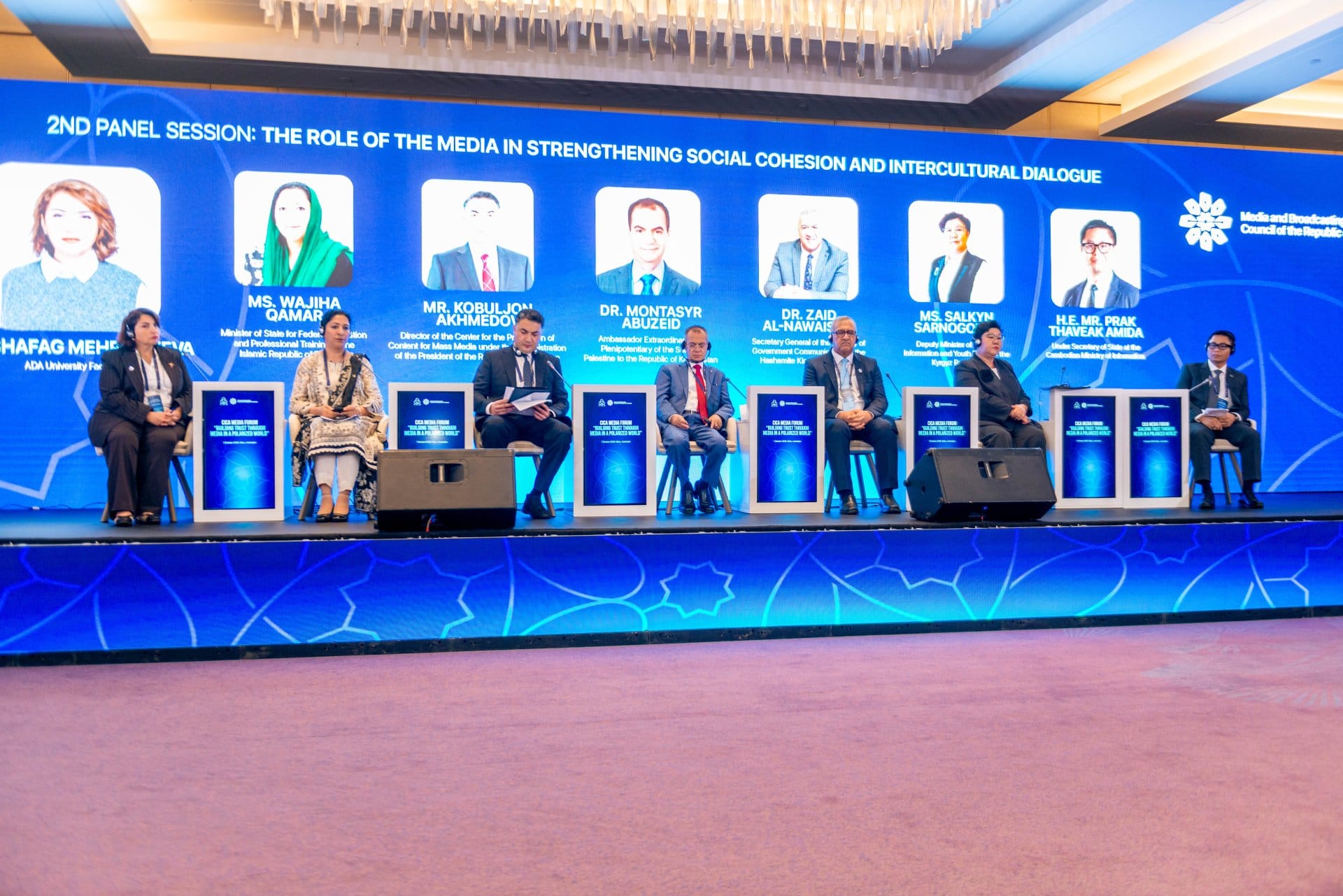
Ministry of Information undersecretary of state Prak Thaveak Amida delivered the message at the inaugural CICA Media Forum held in Baku, Azerbaijan, on October 1. Speaking on behalf of information minister Neth Pheaktra, Amida argued that trustworthy information, balanced representation, and civil discourse are vital to maintaining social unity.
Diversity of Views, Not Uniformity
Amida emphasized that social cohesion does not require unanimity of opinion. Instead, he said, it relies on the capacity to engage with differing viewpoints grounded in verified facts and mutual respect. He described responsible journalism as a force that preserves common ground, particularly when dealing with sensitive topics or heightened public sentiment.
He participated in a roundtable titled "The Role of the Media in Strengthening Social Cohesion and Intercultural Dialogue," alongside delegates from Pakistan, Uzbekistan, Kazakhstan, Jordan, and Kyrgyzstan. The session was moderated by ADA University faculty member Shafag Mehraliyeva.
AI as Both Opportunity and Threat
While acknowledging that social media and AI have opened new channels for cross-cultural communication and learning, Amida warned that these same technologies enable the rapid spread of false or doctored content. He cautioned that such material can erode public trust when it circulates unchecked.
He pointed to Cambodia's "Say No to Fake News" initiative as an example of proactive media literacy efforts. The campaign encourages citizens to evaluate the source, evidence, and context behind information before passing it along, fostering a culture of fact-based dialogue over suspicion.
Responsible Coverage of Culture and Identity
Amida called on journalists to go beyond simple verification. When reporting on issues of culture, identity, or belief, he said, it is essential to include the perspectives of those directly affected and to provide adequate context. He warned against allowing a single incident to define an entire community, stressing that careful language and professional editorial judgment can prevent misunderstandings from gaining traction.
He outlined three key ways media can promote social cohesion:
- Fair and accurate representation of communities
- Coverage that normalizes intercultural dialogue in everyday public discourse
- Credible platforms for constructive engagement with differences
ASEAN Values and Cross-Border Cooperation
As a member of ASEAN, Cambodia prizes unity in diversity, Amida noted. The region's rich tapestry of languages, cultures, and histories places a particular obligation on journalists to be mindful of how their work shapes perceptions of other communities. He suggested that stories of everyday cooperation in schools, workplaces, and neighborhoods can demonstrate how people of varied backgrounds tackle shared challenges together.
He also advocated for journalist exchanges and co-produced content as tools for bringing cross-border perspectives to audiences, allowing people to learn about other societies through authentic local voices.
Forum Outcomes and Future Collaboration
The daylong forum, organized by Azerbaijan's Media Development Agency under the banner "Building Trust through Media in a Polarised World," convened senior officials, media leaders, and communication experts from across CICA member states. Discussions covered strategies for countering misinformation, strengthening journalistic ethics, and navigating the opportunities and risks AI poses for newsrooms.
Cambodia expressed its readiness to collaborate with CICA media institutions on responsible reporting, verification standards, media literacy, and the ethical deployment of emerging technologies. Amida also endorsed joint content production aimed at presenting member countries' cultures with authenticity and respect.
He concluded by emphasizing that the media's impact on social cohesion ultimately comes down to routine editorial choices — whose voices are included, whether claims are checked, and how differences are framed. When those choices are driven by accuracy, fairness, and respect, he said, the media transcend mere information delivery and help cultivate the trust that enables meaningful dialogue.