Cambodia Detains Nearly 5,000 in Major Scam Crackdown; Police Disciplined for Involvement
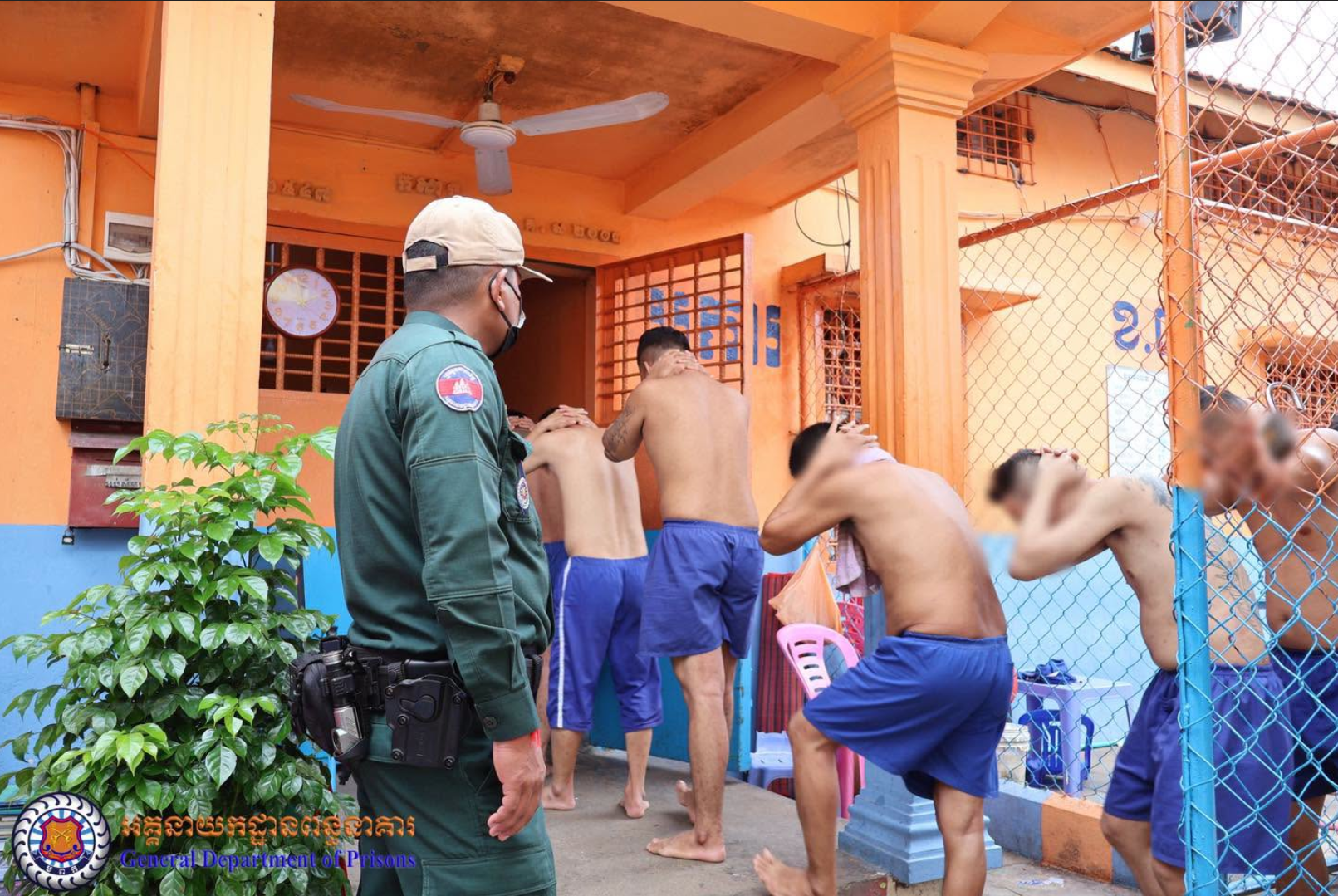
Cambodian authorities have detained approximately 4,834 people suspected of involvement in technology-facilitated scams, according to the Ministry of Interior. The figure encompasses both Cambodian nationals and foreign citizens, with women accounting for roughly 15 percent of those in custody. The detainees are currently held across 23 prisons and correctional facilities throughout the country.
Of the total, 491 are Cambodian citizens—193 of them women—while 4,343 are foreign nationals from 27 countries, including 544 women. The figures, released by ministry spokesman Touch Sokhak on Friday, cover the period from the launch of the current enforcement operation through mid-September.
The detainees are categorized into four groups based on their legal status. The largest group comprises 4,168 individuals formally charged by prosecutors in municipal and provincial courts. A second group of 441 remains under judicial investigation. The third consists of 194 convicted persons whose sentences are still subject to appeal. The final category includes 31 prisoners serving final sentences or paying court-imposed fines.
Svay Rieng Provincial Prison holds the highest number of scam-related inmates, followed by facilities in Preah Sihanouk, Banteay Meanchey, and Koh Kong provinces, as well as Correctional Centre 1.
The crackdown has extended to the police ranks themselves. Seventy-seven national police officers have faced disciplinary measures for connections to scam operations. Penalties have ranged from formal warnings and demotions to suspension, salary reduction, removal from duty, and expulsion from the force.
Ministry officials explained that responses depend on the severity of officer involvement. Those with minor roles receive administrative discipline under 2024 regulations, while those whose conduct constitutes criminal offences face prosecution. Sokhak noted that multiple cases involving officers have already been referred to court, though specific details were not disclosed.