Cambodia Detains Nearly 5,000 in Ongoing Anti-Scam Operations, Disciplines Dozens of Police Officers
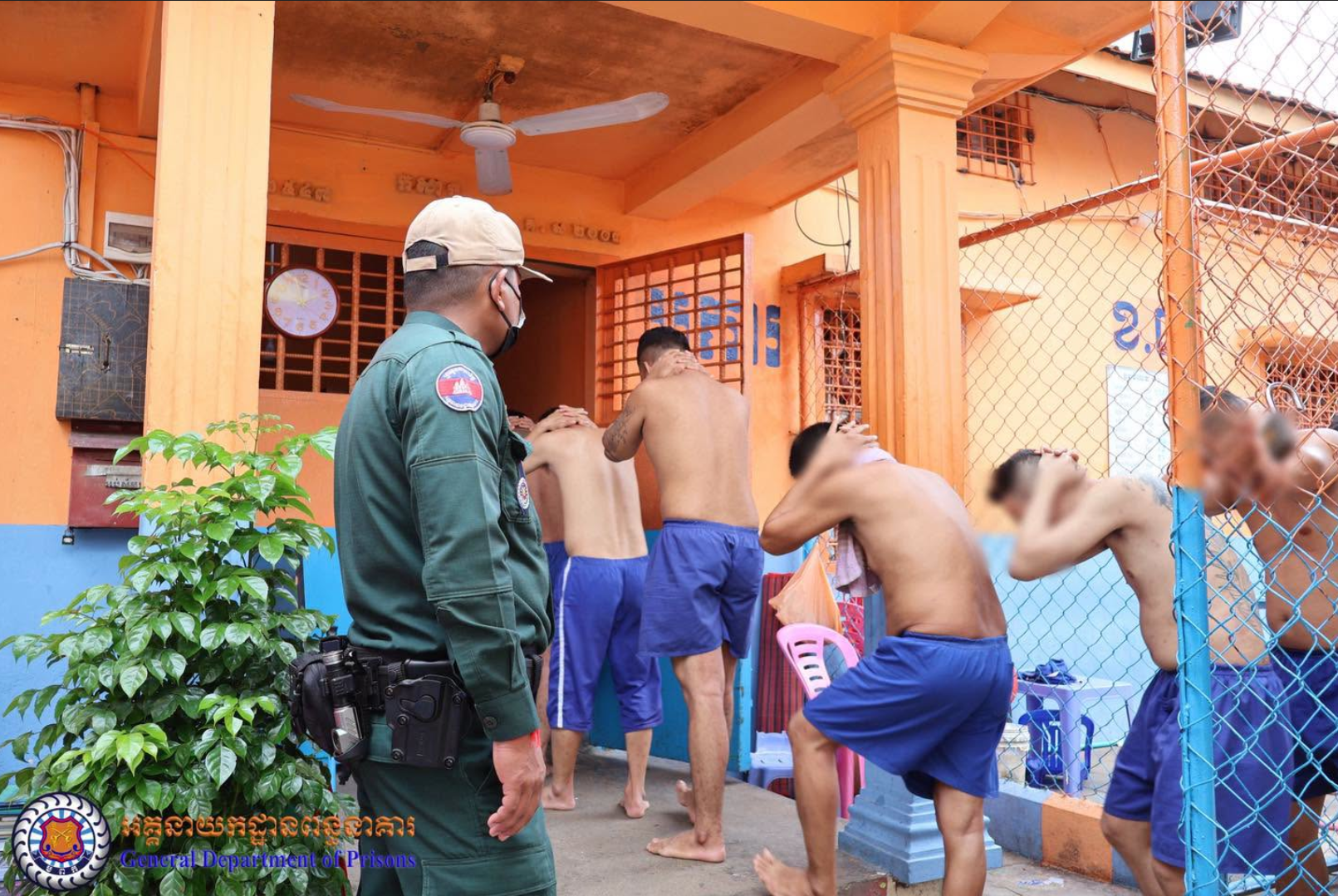
Cambodia's Ministry of Interior reports that 4,834 individuals—both Cambodian citizens and foreign nationals—are currently in custody as part of the government's extensive campaign against technology-based fraud operations. Among those detained, 737 are women.
Ministry spokesperson Touch Sokhak disclosed on Friday that the crackdown, which began earlier this year and runs through September 18, has also resulted in disciplinary measures against 77 national police officers connected to fraudulent activities. Penalties for these officers have included removal from their posts and dismissal from the force.
The detained population breaks down into 491 Cambodians, with 193 being women, and 4,343 foreign nationals from 27 countries, including 544 women. These individuals are spread across 23 detention facilities throughout the country.
Sokhak outlined four distinct legal classifications for those in custody. The largest group consists of 4,168 individuals, including 621 women, who face formal charges filed by prosecutors. Another 441 people, 73 of whom are women, remain under judicial investigation ahead of trial.
A third segment includes 194 convicted individuals, 33 women among them, who have received sentences but retain the right to appeal. The smallest category comprises 31 people, including 10 women, whose convictions are final and who are now serving their sentences or paying court-ordered fines.
The facilities holding the most scam-related detainees are Svay Rieng Provincial Prison, Preah Sihanouk Provincial Prison, Banteay Meanchey Provincial Prison, Correctional Centre 1, and Koh Kong Provincial Prison, according to the spokesman.
Regarding the 77 police officers facing consequences, Sokhak explained that disciplinary actions vary based on the severity of involvement. Officers with minor connections have received warnings, demotions, duty suspensions, or temporary pay cuts under 2024 police disciplinary regulations.
Those whose actions constitute criminal offenses have had their cases forwarded to the courts, though Sokhak did not specify how many of the 77 officers fall into each category.