Cambodia Faces Critical Choice Between Rights Commitments and Repression, UN Envoy Warns
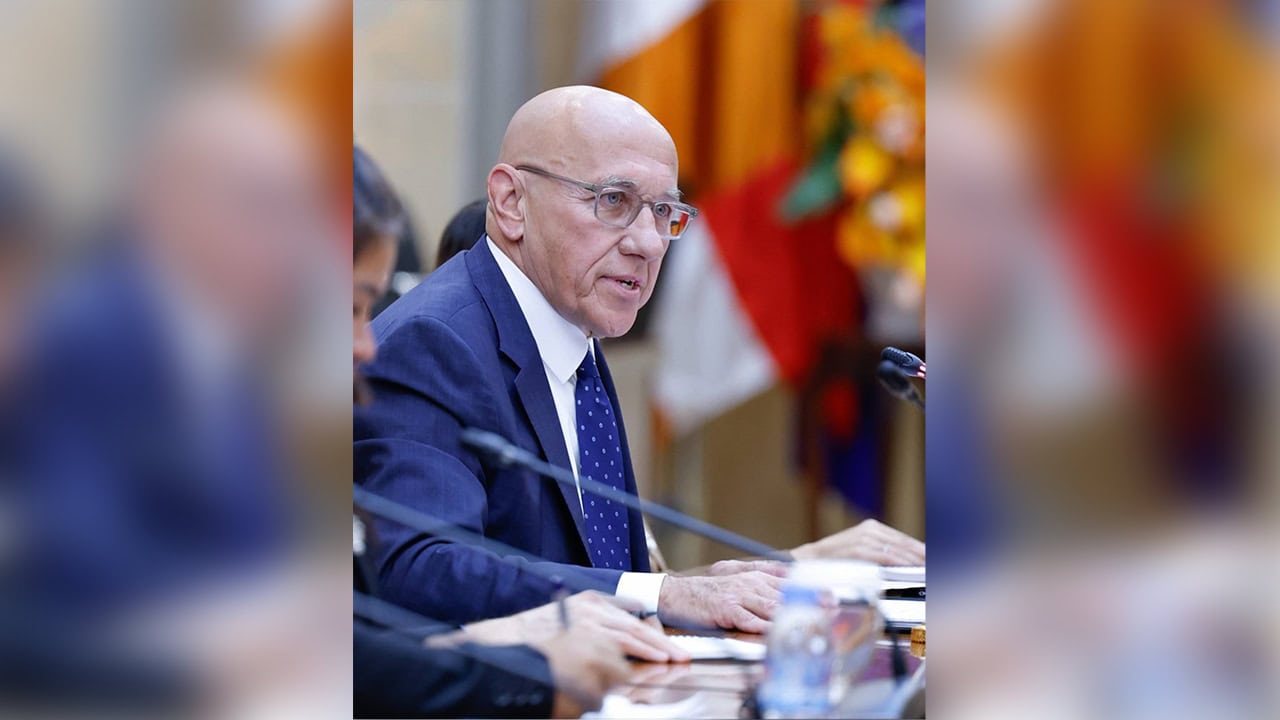
A United Nations human rights investigator has painted a stark picture of Cambodia as two separate nations: one that publicly endorses international human rights standards, and another where basic freedoms are systematically suppressed.
Thomas H. Andrews, the UN special rapporteur on Cambodia's human rights situation, completed a fact-finding mission to the country in July and submitted his findings to the UN Human Rights Council in late September. His assessment highlighted a troubling disconnect between Cambodia's formal international commitments and its actual practices on the ground.
Andrews acknowledged Cambodia's genuine achievements, including substantial reductions in poverty, extended life expectancy, and expanded access to education and essential services. He also noted the government's ratification of core human rights treaties and its stated cooperation with UN monitoring mechanisms.
However, he drew attention to what he termed the country's second reality: systematic constraints on free expression, political persecution of opponents, and the detention of activists, journalists and human rights workers. Based on his investigation, Andrews estimates that over 100 individuals have been arrested for simply exercising basic rights, with independent sources suggesting this figure may have tripled since early 2024.
The envoy raised additional concerns about judicial fairness, reporting that some defendants have been convicted despite the prosecution failing to present evidence on critical charges. He also documented how restrictions on civil society organizations, labor unions and independent media have created a climate of fear, prompting widespread self-censorship across the country.
Andrews called for immediate action, urging Cambodia to release political prisoners, reform or eliminate laws incompatible with international standards, and strengthen judicial independence. He specifically referenced the cases of opposition figures Kem Sokha and Rong Chhun as examples of concerning detentions.
The rapporteur suggested that Cambodia's recent successful crackdown on cybercrime operations demonstrates the government's capacity for decisive action when priorities align, implying that comparable political will could address human rights concerns.
In response, government spokesperson Pen Bona rejected the criticism, asserting that Cambodia upholds international human rights conventions and that the constitution guarantees freedom of expression. He argued that such freedoms carry responsibilities and legitimate limits under both Cambodian law and international agreements, contending that most citizens enjoy unrestricted speech while only those who violate laws face consequences.
Andrews concluded by framing the moment as pivotal, suggesting Cambodia must decide whether to deepen its commitment to human rights or drift toward increased authoritarianism, with the nation's future dependent on leaders and organizations willing to build respect for fundamental freedoms.