Cambodia Launches $4 Million Initiative to Tackle Electronic Waste Crisis
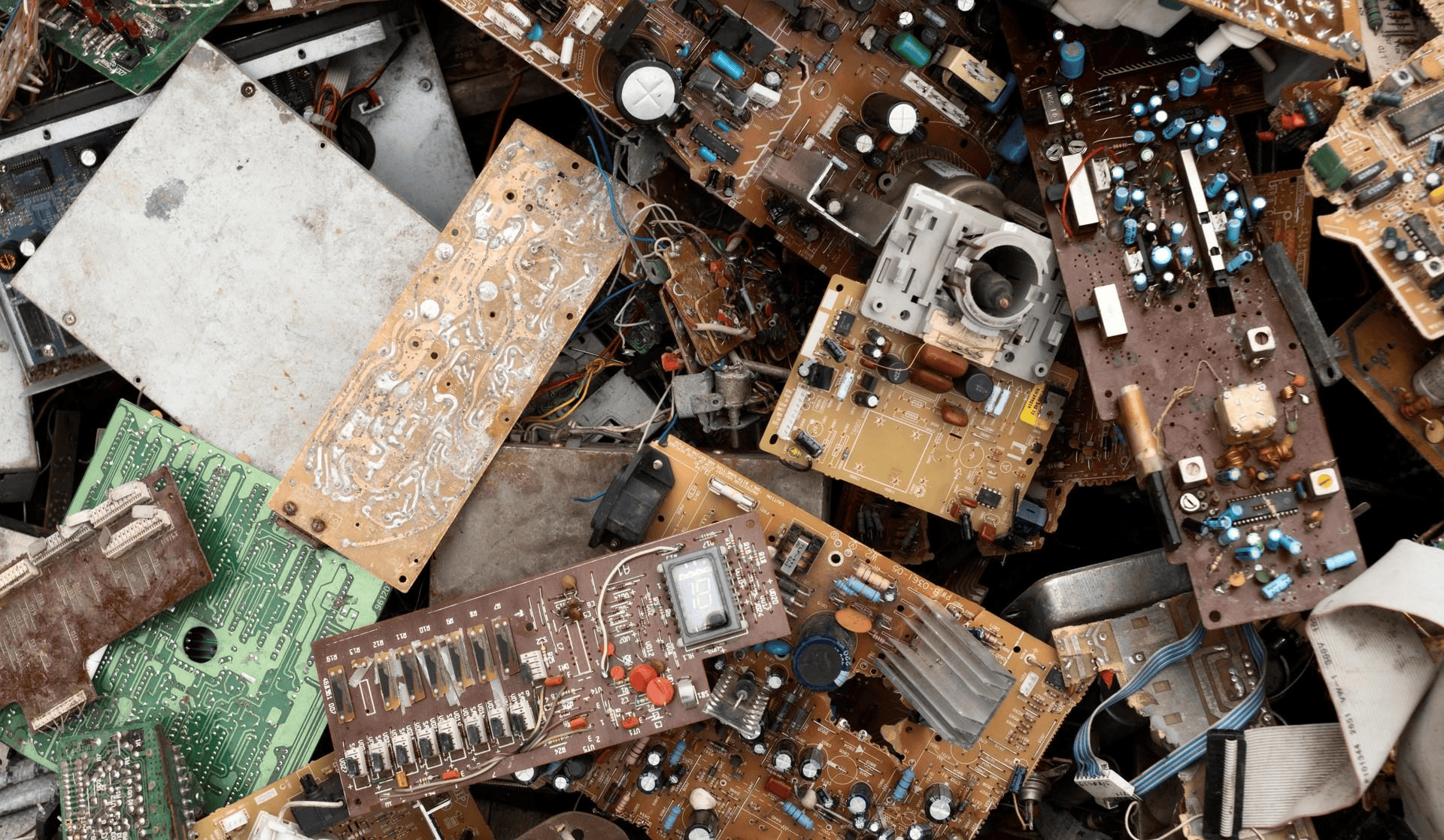
The United Nations Development Programme has partnered with Cambodia's Ministry of Environment on a major initiative aimed at transforming how the country handles discarded electronics, with funding of $4 million provided by the Global Environment Facility.
Set to run between 2026 and 2031, the five-year effort forms part of the broader Global Electronics Management programme, which seeks to curb pollution and boost resource efficiency throughout the electronics lifecycle across multiple nations.
More than 200,000 Cambodians are projected to benefit directly from the project through enhanced workplace safety and decreased contact with dangerous materials, the UN agency reported.
The programme has secured roughly $26 million in additional support from Cambodia's government and private industry. Officials anticipate it will cut greenhouse gas emissions by over 27,000 tonnes while safely handling hazardous materials including persistent organic pollutants and mercury. The initiative is also expected to keep more than 20,000 tonnes of harmful substances out of the natural environment.
Cambodia joins Vietnam and Colombia as one of three nations where the UN agency is spearheading the Global Electronics Management programme's implementation.
Enrico Gaveglia, the UN Development Programme's representative in Cambodia, highlighted the rapid expansion of electronic device usage across the country. With approximately 24 million electronic products currently in operation as of 2024, he emphasized the urgent need to develop modern systems for managing equipment once it becomes obsolete.
"Strengthening protections is essential to shield communities and workers from dangerous handling practices and harmful chemicals," Gaveglia explained. "This project facilitates the shift toward safer, more practical frameworks that safeguard public health while building a foundation for lasting economic resilience."
Xiaofang Zhou, who oversees cooling systems, circular economy initiatives and pollution prevention at the UN agency, noted that discarded electronics present a dual challenge, containing both recoverable valuable components and toxic materials.
"The difficulty lies in extracting these resources for reuse while preventing environmental damage and health risks," Zhou said. She pointed out that many products lack design features that facilitate material recovery, making disassembly and sorting particularly challenging.
Zhou stressed that improved collection, disassembly and processing infrastructure is necessary to retrieve materials safely and efficiently, rather than losing them or handling them under hazardous conditions.
Chuop Paris, secretary of state at the Environment Ministry, affirmed the department's dedication to moving away from the traditional "take-make-dispose" approach toward a circular economic model that prioritizes resource conservation, waste reduction and protection of both public health and environmental quality.
Through the Environmental Code and Natural Resources framework and the Environmental Circular Strategy covering 2023 to 2028, particularly its sustainability-focused component, the ministry continues to strengthen regulatory frameworks, promote greater accountability among manufacturers and importers, foster innovation in waste recycling and resource recovery, and build public awareness through outreach initiatives, Paris said.
Claude Gascon, acting CEO and chairperson of the Global Environment Facility, described the programme as crucial support for countries confronting one of the world's most rapidly expanding pollution challenges.
"Without effective management systems, the environmental consequences of growing electronics use will become increasingly unmanageable," Gascon noted.
He added that tackling electronic waste requires transforming market operations alongside developing clearer policy frameworks and standards to enable safer, more sustainable practices. "This project represents a vital step in establishing that groundwork in Cambodia," Gascon concluded.