Cambodia Launches Single-Window Service to Ease SME Registration Burden
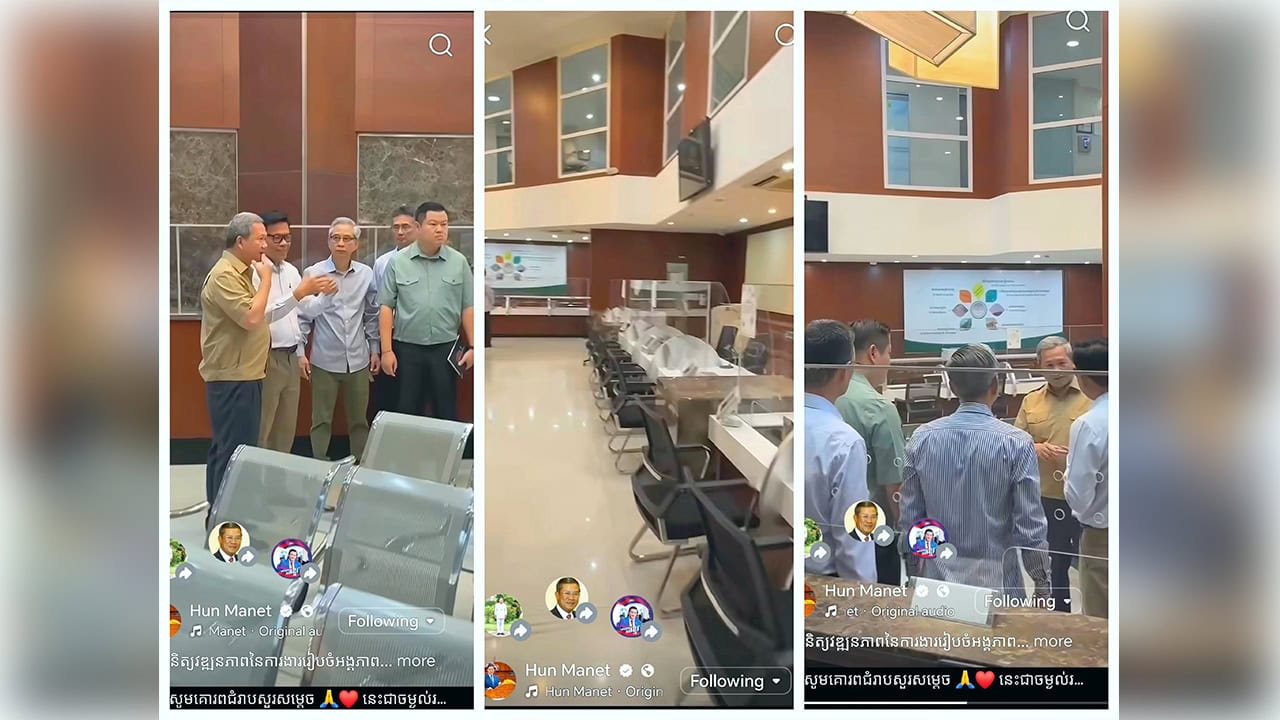
Cambodia is set to roll out a centralized service designed to streamline registration and licensing for small and medium-sized enterprises, addressing longstanding complaints about bureaucratic obstacles that have hindered local manufacturers in competing against imported goods.
The new SME coordination unit will function as a single point of contact where businesses can lodge all their applications, with government officials handling the coordination across multiple agencies throughout the entire process.
Services provided through the facility will encompass business registration, permit issuance and renewal, and oversight of incentive programs managed by the unit.
On October 4, Prime Minister Hun Manet examined the framework for this initiative, emphasizing that it would cut down on complexity, processing time, and financial burden for SMEs.
"Businesses requiring these services will no longer need to visit multiple offices. They can handle everything through the SME coordination unit," the prime minister stated.
He added that this facility represents just one element of a broader package of support measures the government plans to unveil in the near future to strengthen the SME sector.
Created through royal decree, the coordination unit will function directly under the prime minister's supervision and is mandated to work with various ministries, government agencies, private sector representatives, and international partners to enhance service efficiency and transparency.
Te Taingpor, who leads the Federation of Association for Small and Medium Enterprises of Cambodia and represents manufacturers and service providers, said the reform tackles issues that businesses have flagged for years.
In remarks to The Post on October 4, he described how complex procedures previously forced companies to navigate seventeen or eighteen different ministries to complete their paperwork, driving up costs and diverting attention from actual production activities.
"These challenges arose partly because ministries and institutions were reluctant to work together to simplify administrative processes," he explained, noting that businesses had consistently called for faster procedures and lower compliance costs.
These hurdles have also impacted manufacturers waiting for imported raw materials, making it difficult to capitalize on rising demand for Cambodia-made products, according to Taingpor.
He suggested that consolidating officials from various agencies could accelerate processing times, though further dialogue would be necessary to address remaining cost concerns.
"Once the single-window service reduces our overhead, we'll be in a stronger position to compete," he said.
The timing coincides with increased consumer preference for domestically produced goods, a trend Taingpor connected to the ongoing boycott of Thai products.
He noted that this movement has stimulated local manufacturing and heightened public awareness of Cambodian-made items.
However, he cautioned that consumer goodwill alone would not be sufficient unless producers elevated product quality, safety standards, and packaging design.
"We need to strengthen quality and improve presentation so our products look appealing. Only then can we truly compete," he said.
He warned against exploiting the current shift in consumer behavior by offering substandard merchandise.
"If we fail to deliver quality, our domestic enterprises will pay the price," he stated.
Taingpor observed that SMEs have invested considerable effort over the past year, and Cambodian products are now appearing in more market segments, though consistently meeting industry standards remains an ongoing challenge.
He intends to visit the new coordination unit to evaluate its setup and provide input on procedures and fees that businesses believe could be reduced even further.
Looking beyond domestic sales, Taingpor highlighted that growing numbers of Cambodian producers are pursuing export opportunities, particularly targeting Cambodian communities abroad in Europe, Australia, South Korea, and the United States.
"Our SMEs aren't just about serving the home market. We must also pursue exports to generate income for our country," he concluded.