Cambodia's UN Envoy Defends Sovereignty, Urges Implementation of Border Ceasefire Agreement
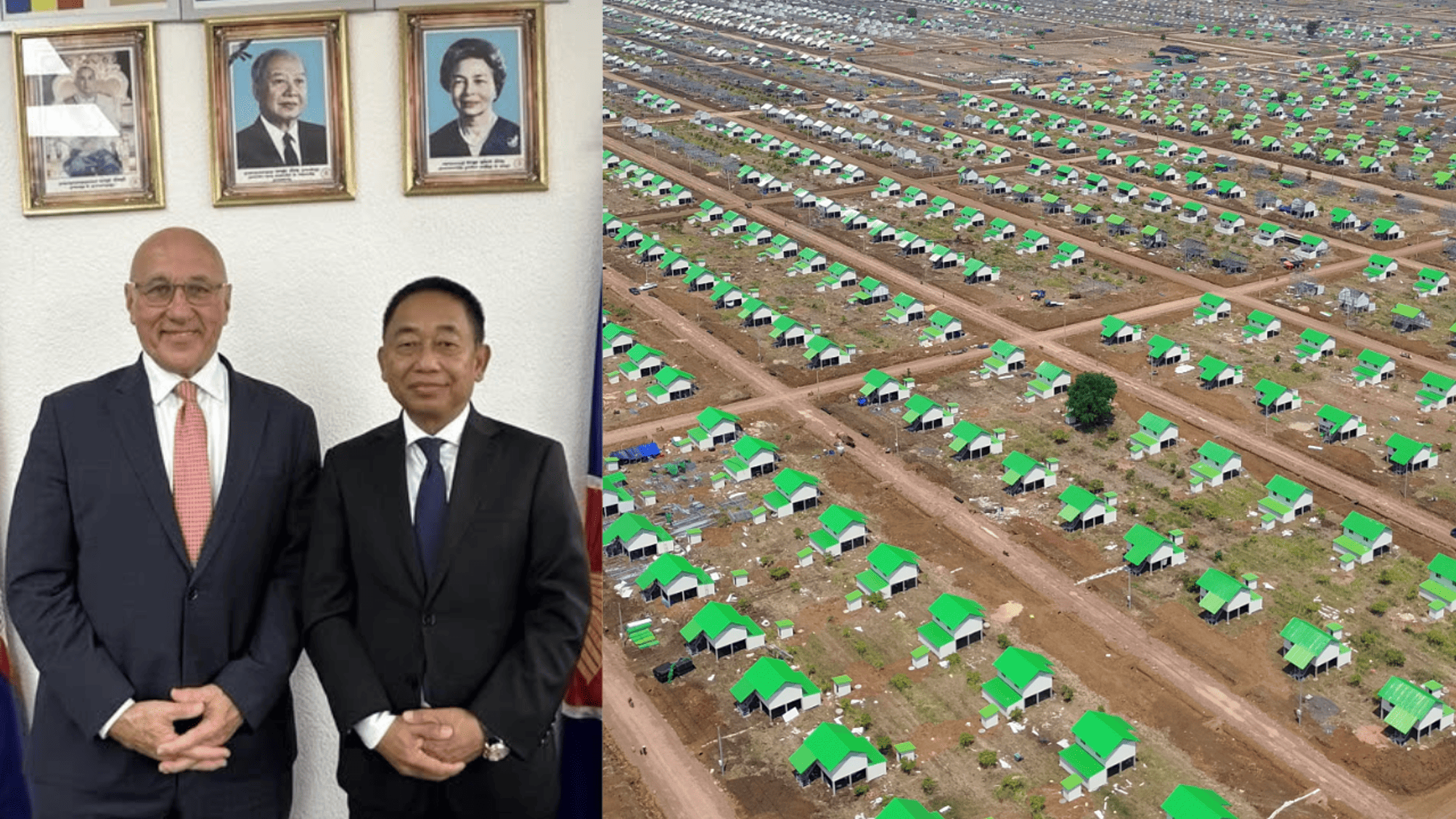
Cambodia's Permanent Representative to the United Nations, Ke Sovann, expressed gratitude to UN Special Rapporteur Thomas H. Andrews for his attention to the human rights crisis stemming from the recent Cambodia-Thailand border conflict. Speaking at the 63rd session of the UN Human Rights Council on October 2, Sovann challenged repeated assertions by Thai officials that Cambodians had illegally settled in Thailand, calling such claims inaccurate and misleading.
Sovann highlighted Andrews' observation that around 20,000 Cambodian civilians remain displaced more than nine months after the December 27, 2025 ceasefire agreement. He noted the rapporteur's identification of concrete barriers to their return—including safety concerns, damaged infrastructure, and disrupted access to education, healthcare, and livelihoods—and reaffirmed Cambodia's full support for the rapporteur's call on both countries to facilitate the safe and dignified return of these civilians.
In addressing Thai diplomats' earlier allegations, Sovann emphasized that all Cambodian refugees from the 1970s had vacated Thai soil by 1999 and that the current displacement resulted directly from armed incidents in Cambodian territory in 2025. He cited the 1904 Convention and 1907 Treaty as establishing the internationally recognized border and condemned ongoing Thai military operations within Cambodian-controlled areas as violations of international law.
While acknowledging Andrews' broader observations on domestic human rights concerns, including restrictions on civil liberties and the online scam issue, Sovann thanked him for his constructive approach and Cambodia's continued openness to dialogue and cooperation. He reiterated the government's preference for technical assistance and capacity-building over punitive measures, and reaffirmed its readiness to work in good faith with the rapporteur's mandate to protect human rights and support affected border communities.