Cambodia Says Fuel Imports Continue Despite Global Market Uncertainty
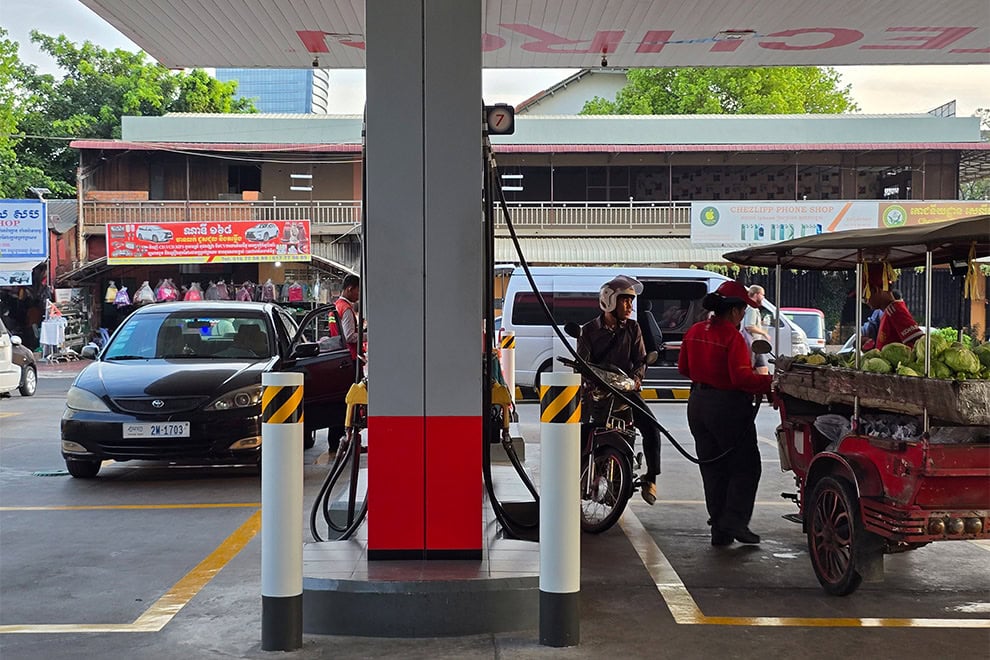
Cambodia’s fuel and liquefied petroleum gas (LPG) imports remain uninterrupted, Mines and Energy Minister Keo Rottanak said on September 25, while urging residents to use fuel sparingly because of uncertainty in global and regional markets.
According to Rottanak, existing stockpiles and approved import plans could supply the country for 10 days of aviation fuel, 21 days of petrol, 15 days of diesel and 10 days of LPG without any further shipments arriving.
He said this level of supply was similar to the buffer available before the crisis in the Strait of Hormuz. Cambodia’s fuel and LPG imports have not stopped, as shipments continue through its network of regional suppliers and partnerships.
The energy ministry is working with the Ministry of Commerce and the Ministry of Economy and Finance to maintain government fuel-price support policies. It is also accelerating the construction of additional storage facilities to improve long-term energy security.
Rottanak nevertheless warned that fuel markets remain vulnerable amid the prolonged Russia-Ukraine war and rising tensions in the Strait of Hormuz. Some countries have imposed fuel-conservation restrictions, prompting the minister to call on Cambodians to use fuel and gas responsibly.
“As the government monitors the situation and takes further steps with fuel and gas suppliers, we urge the public to conserve fuel and gas wherever possible,” he said.
Electricity supply remains stable
Rottanak said electricity service remained normal, with adequate generating capacity and no changes to tariffs. As of September 25, hydropower and solar power were meeting about 83.2 percent of Cambodia’s electricity demand, while coal supplied 16 percent. No fuel oil was being used for electricity generation at the time.
Electricité du Cambodge will continue to absorb the higher cost of coal in an effort to prevent tariff increases, the minister said.
Rottanak also provided an update on a planned 900-megawatt liquefied natural gas power plant in Koh Kong province. Preparatory work and construction of a gas-receiving terminal are under way, while the first 450-megawatt turbine is being transported to Cambodia.
He advised the public to follow updates from the relevant government agencies as the fuel situation develops.