Cambodia Takes Steps to Maintain HIV Care During Severe Flooding
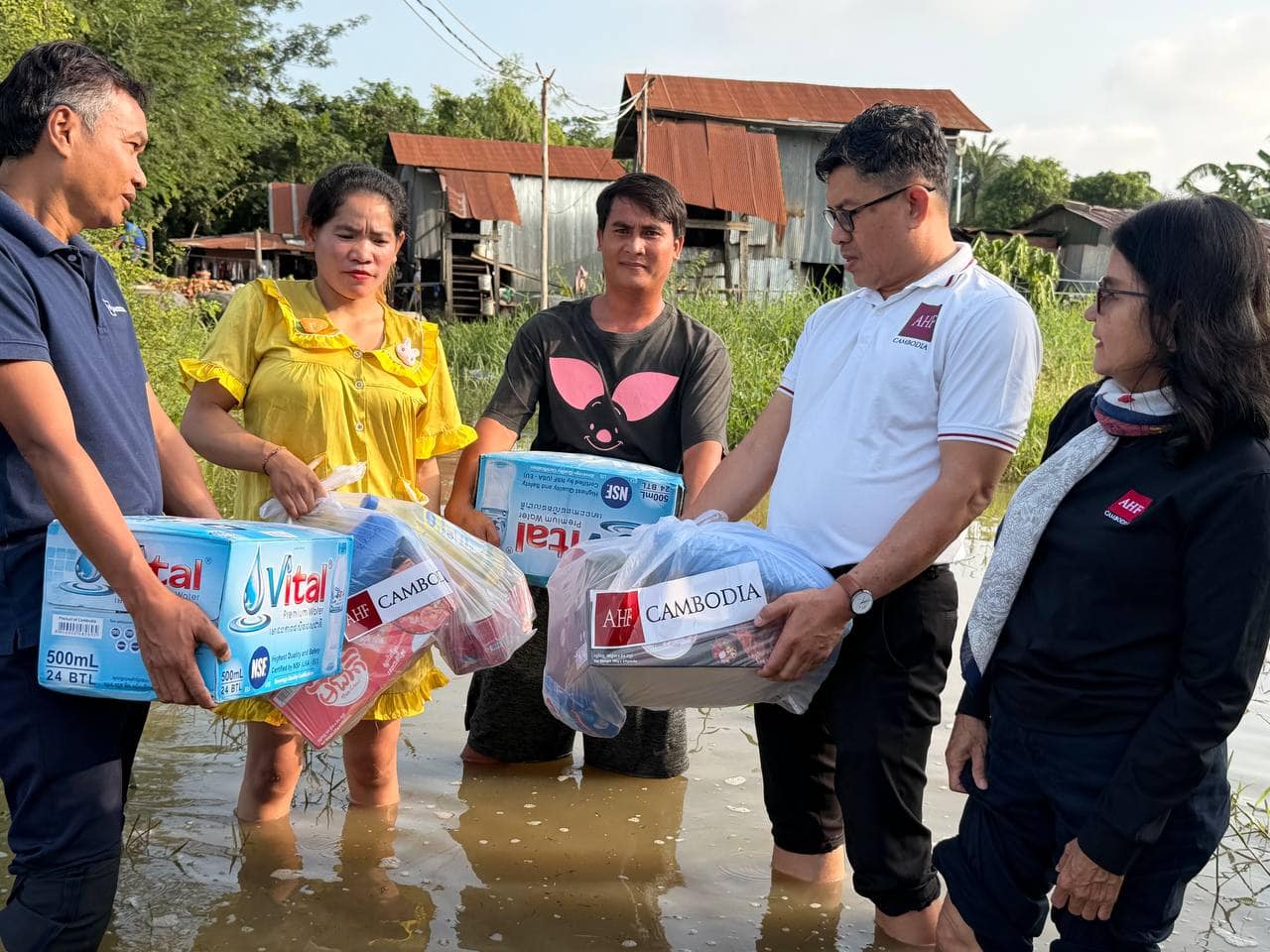
As widespread flooding continues to impact multiple provinces across Cambodia, health organizations are implementing emergency measures to ensure uninterrupted access to life-saving HIV medications for thousands of patients in affected regions.
The AIDS Healthcare Foundation's Cambodian operations have partnered with government authorities to establish contingency protocols after torrential rains beginning in late September caused extensive damage to transportation infrastructure and isolated communities across several provinces.
While health clinics in flood-affected zones remain functional, Dr. Chan Phanna, who oversees AHF's programs in the country, emphasized that maintaining treatment continuity represents the foremost concern during the crisis.
"We cannot allow weather-related disasters to interrupt essential HIV care," Phanna stated. "Our focus is ensuring patients stay connected to medical services and can access their antiretroviral drugs even when normal travel routes and clinic visits become impossible."
The challenge extends beyond facility closures—submerged roadways, halted public transit systems, and dangerous travel conditions between communities frequently prevent patients from reaching their designated treatment centers to obtain medication refills.
Emergency Response Measures
To address these obstacles, AHF Cambodia is coordinating with government health agencies to position emergency drug stockpiles in high-risk flood zones. The organization has also advised patients in vulnerable areas to maintain reserve supplies of antiretroviral medications covering one to two months when feasible, providing a buffer against supply disruptions.
For individuals whose primary treatment facilities become temporarily unreachable, alternative arrangements have been established. Patients can contact community support networks or national HIV assistance hotlines to locate functioning clinics or alternative medication distribution centers.
"Inaccessibility of someone's regular facility should never mean treatment ends," Phanna explained. "We have systems in place to redirect clients to other operational sites where they can continue receiving care."
Relief Distribution
Beyond medication access, AHF scheduled the distribution of 551 emergency assistance packages at the end of September and beginning of October for vulnerable families and HIV patients severely impacted by flooding in Battambang, Poipet, and Pursat provinces.
These relief kits contain essential food items, household necessities, and sanitation products designed to address immediate hardships facing displaced or economically affected families. For HIV patients specifically, the assistance aims to reduce barriers that might otherwise interfere with treatment adherence.
"Economic disruption and transportation breakdowns can make it extraordinarily difficult for vulnerable patients to stay on their treatment regimens," Phanna noted. "While the kits address urgent needs like food and hygiene, our broader response prioritizes uninterrupted access to essential HIV care during this emergency."
According to organizational data, AHF Cambodia currently provides antiretroviral therapy support to nearly 56,000 people living with HIV through a network of 42 facilities spanning 19 provinces and the capital city.
The foundation continues strengthening its tracking systems to identify patients who miss scheduled appointments, working through clinic personnel, counselors, and community outreach programs to reconnect them with care services.