Cambodia Takes Steps to Protect HIV Medication Access Amid Severe Flooding
Health organizations in Cambodia are coordinating with government officials to ensure uninterrupted access to life-saving HIV medications as widespread flooding disrupts transportation networks across multiple provinces.
Since late September, heavy rains and rising floodwaters have affected communities throughout the country, making it difficult for residents to travel and threatening their access to essential health services.
The AIDS Healthcare Foundation's Cambodia operations report that their partner health facilities in flood-affected regions continue providing services, though teams are closely tracking weather conditions and staying in contact with both healthcare workers and impacted populations.
According to Dr Chan Phanna, who manages AHF Cambodia's country program, preventing treatment interruptions for HIV-positive individuals during extreme weather events is the organization's top concern.
"We cannot allow flooding to force someone living with HIV to miss their treatment," Phanna emphasized. "Our goal is maintaining the connection between clients and their care, making sure they receive their antiretroviral medications even when normal clinic access becomes impossible."
Maintaining medication adherence proves especially critical during floods because even when health centers remain open, submerged roads and disrupted transit systems can prevent patients from reaching their usual pickup locations.
The foundation is partnering with Cambodian authorities to establish emergency medication reserves for HIV patients in flood-vulnerable zones. They're also advising clients in high-risk areas to keep one to two months' worth of antiretroviral drugs on hand whenever feasible, creating a buffer against supply disruptions.
Phanna stressed the importance of backup plans for patients whose regular clinics become unreachable. "When someone's usual facility is cut off, treatment shouldn't stop," he noted. "Patients should reach out to community networks or HIV service providers who can direct them to other operating facilities or distribution sites."
The organization recommends that HIV-positive individuals contact local community organizations or national HIV helplines if flooding blocks access to their regular healthcare providers, helping them locate alternative service points.
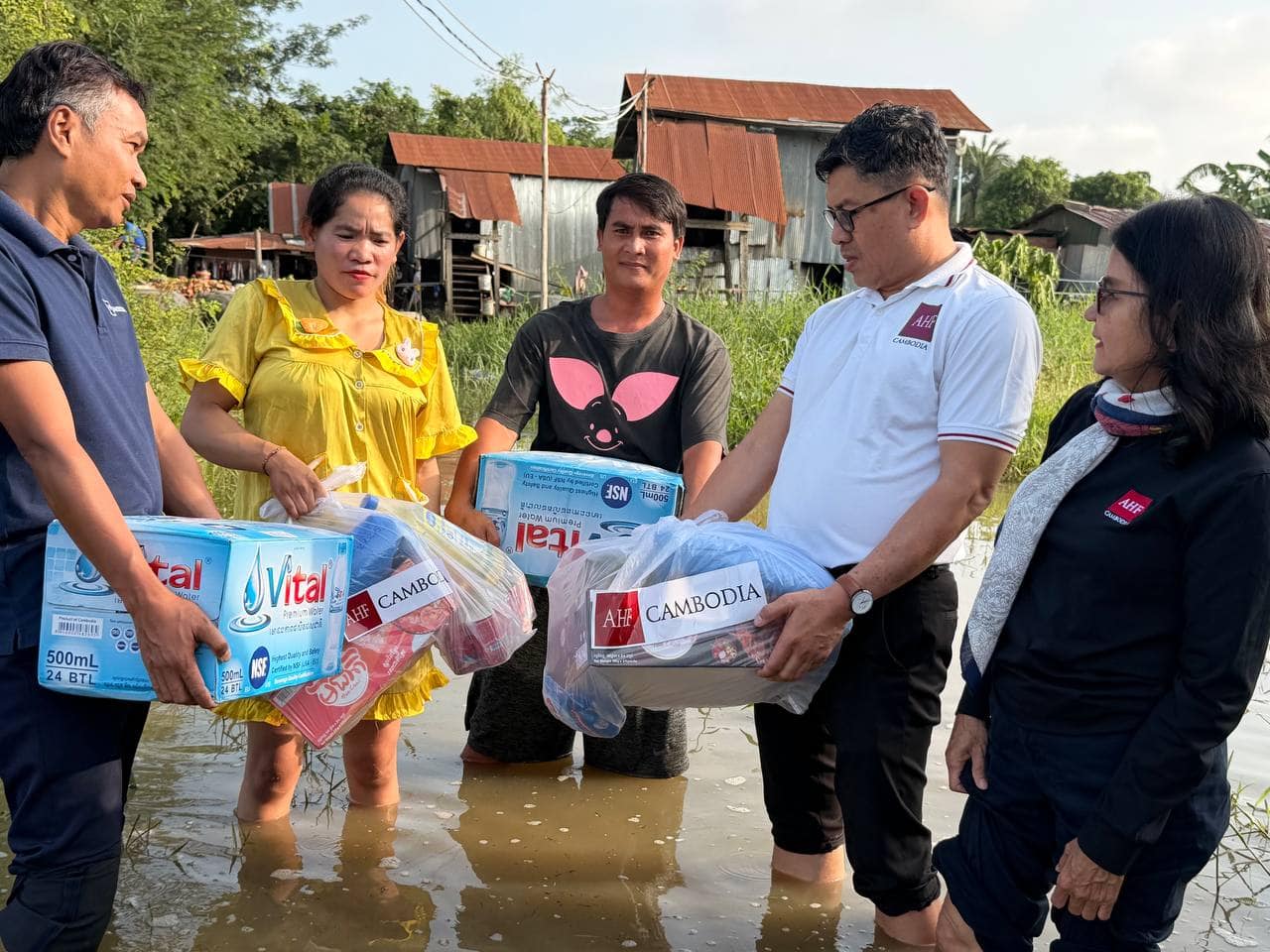
Relief efforts include distributing 551 emergency supply packages to vulnerable families and antiretroviral therapy clients in Battambang, Poipet, and Pursat provinces on September 30 and October 1. These packages contain food staples, household essentials, and sanitation items designed to support families facing immediate economic and health challenges.
For HIV-positive recipients, the assistance aims to meet both urgent household requirements and safeguard treatment continuity throughout the crisis. Phanna explained that economic disruption and transportation barriers often make it harder for vulnerable patients to stay on their medication regimens.
"While the emergency supplies address pressing needs like food and hygiene products, we're equally focused on preserving HIV care continuity," he said. "For people managing HIV, maintaining access to treatment during emergencies is literally a matter of survival."
AHF Cambodia currently provides support to 55,976 HIV-positive individuals receiving antiretroviral therapy through a network of 42 treatment locations spanning 19 provinces and Phnom Penh.
The organization is simultaneously working to enhance systems for tracking patients who miss scheduled appointments and reconnecting them with care through clinic personnel, counselors, and community support networks.