Cambodian Civil Society Urges Stronger Climate Finance and Adaptation Safeguards Ahead of COP31
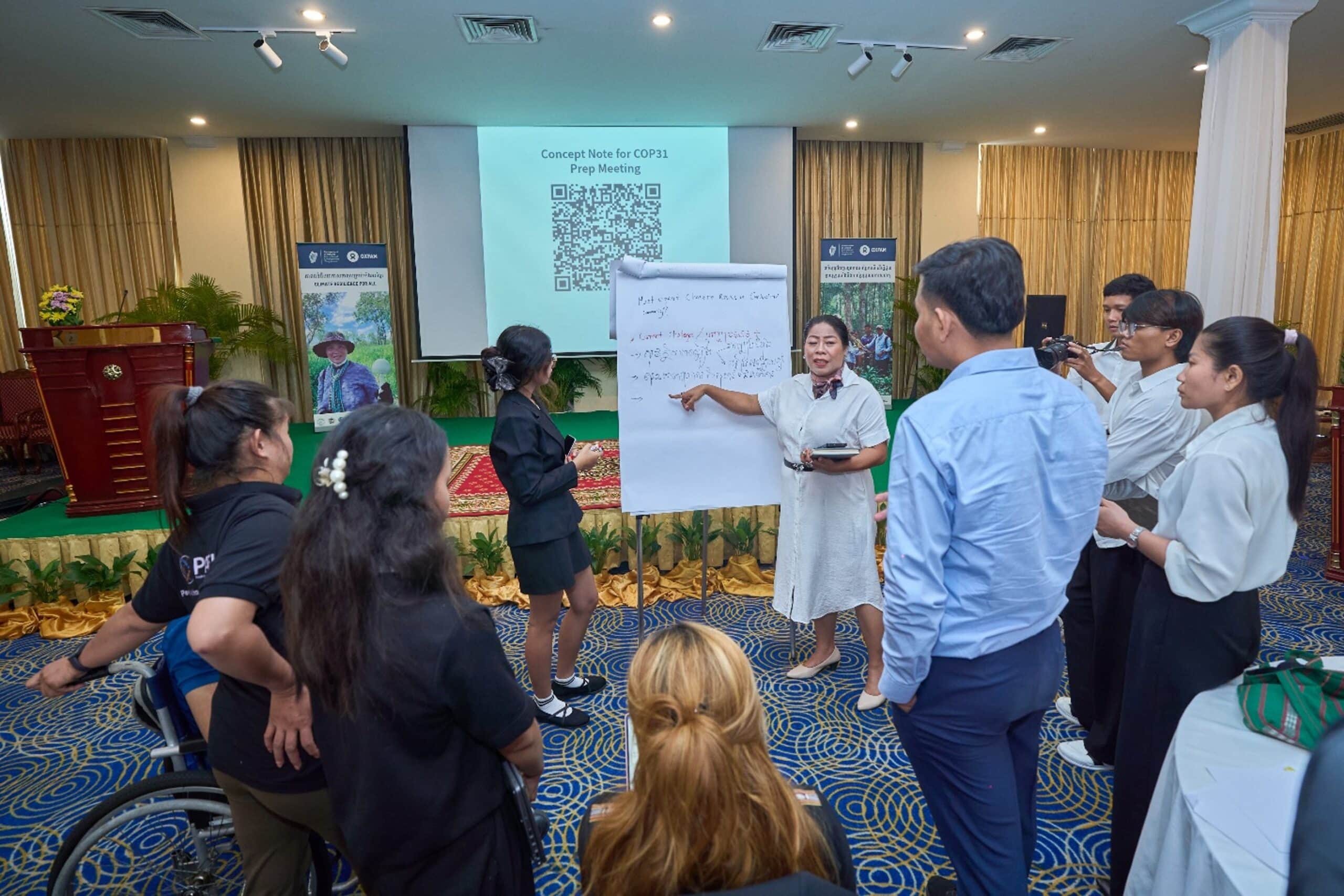
Civil society leaders in Cambodia are urging the international community to provide reliable and accessible climate finance, boost adaptation resources, and secure an equitable transition for vulnerable countries as preparations ramp up for the upcoming COP31 climate summit.
Broad Coalition Coordinates Climate Priorities
A national preparatory forum held on September 23 in Phnom Penh brought together around 80 delegates, including representatives from government agencies, non-governmental groups, youth and indigenous communities, disability advocacy groups, academia, and international development agencies. Jointly hosted by the NGO Forum on Cambodia (NGOF) and Oxfam, the gathering aimed to consolidate an evidence-based national stance ahead of the United Nations climate negotiations scheduled to take place in Antalya, Turkey.
Delegates stressed that global climate talks must translate into tangible aid for nations grappling with severe climate disruptions, ensuring the safeguarding of rural livelihoods, food systems, and broader economic stability.
Transitioning Beyond Least Developed Country Status
A central issue at the meeting was Cambodia's looming exit from Least Developed Country (LDC) classification. Participants warned that the shift should not jeopardize the country's access to vital concessional financing and international technical assistance, particularly as it implements its updated national climate pledges under NDC 3.0.
NGOF executive director Soeung Saroeun emphasized that multi-stakeholder and grassroots initiatives are critical for sustainable resilience. He argued that funds and resources should flow directly to vulnerable communities without bureaucratic hurdles, calling on global powers and major polluting nations to take these grassroots perspectives seriously.
Oxfam in Cambodia national director Phean Sophoan pointed out that Cambodia has set aggressive targets, including cutting greenhouse gas emissions by 55 percent by 2035 and achieving net-zero emissions by 2050. However, she emphasized that a fair global framework cannot demand greater climate ambition while cutting off low-interest and concessional assistance merely because a country graduates from LDC standing. Sophoan highlighted that COP31 must secure grant-based, debt-free financing so that progress does not inadvertently deepen environmental vulnerability.
Frontline Impacts and Core Demands
Grassroots attendees described the immediate toll of extreme weather on daily life. Rural representatives reported that volatile weather patterns and unpredictable rainfall are ruining crop yields, depleting local fisheries, and pushing farming families deeper into financial distress, making direct adaptation funding essential.
The consultation resulted in a set of key recommendations for negotiators, including:
- Safeguarding climate funding channels for states moving out of LDC status.
- Increasing grant-focused adaptation capital rather than loans.
- Facilitating straightforward, direct access to the global Loss and Damage Fund.
- Officially recognizing critical freshwater networks, such as the Tonle Sap Basin and the Mekong River, within worldwide adaptation strategies.