Cambodian groups present climate priorities before COP31
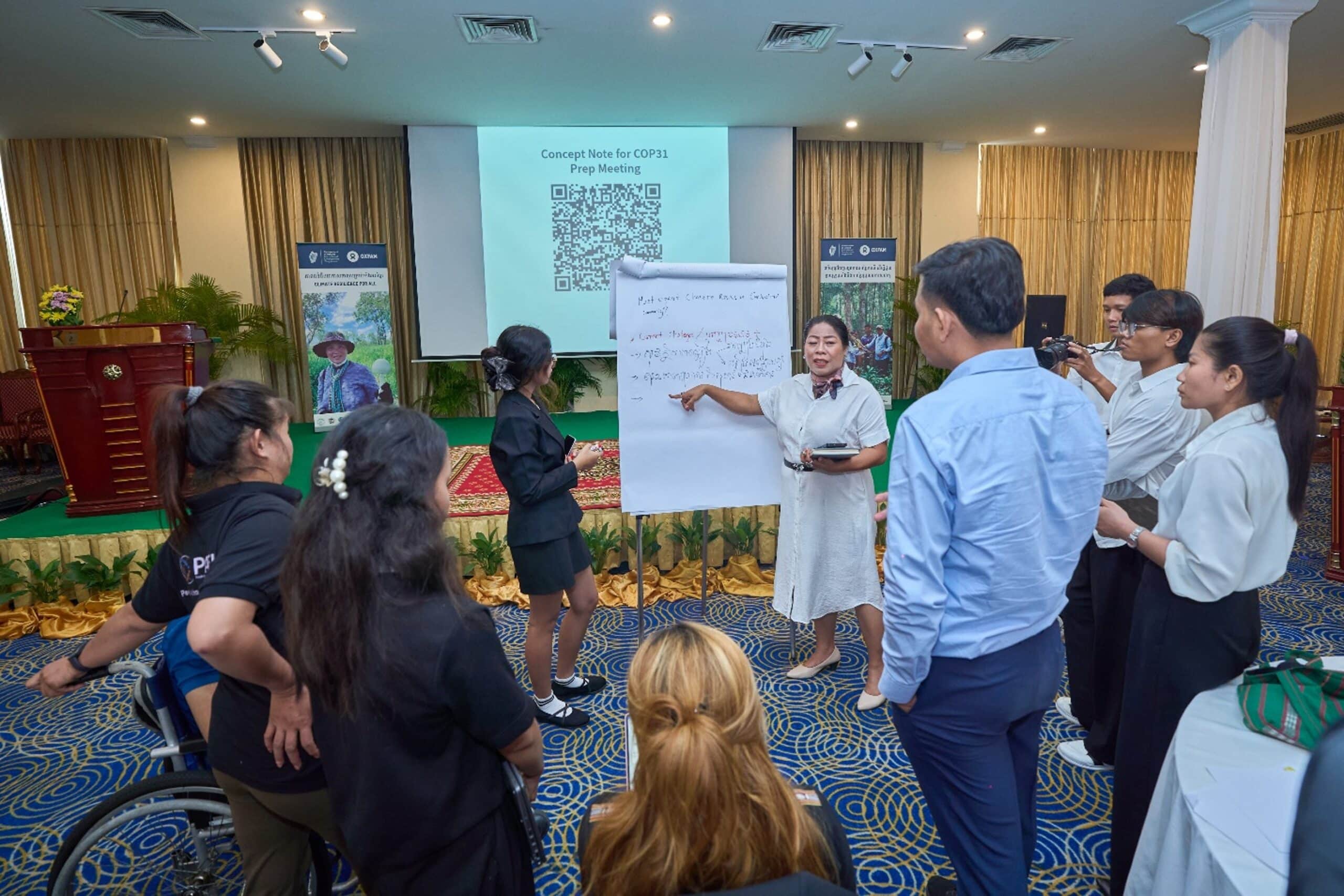
Cambodia is heading into COP31 with a push for more predictable climate funding, stronger adaptation support and a fair transition that does not leave vulnerable people behind.
The call came from a national preparatory consultation in Phnom Penh on September 23, organized by the NGO Forum on Cambodia with Oxfam.
About 80 participants joined the meeting, including government agencies, civil society groups, community representatives, people with disabilities, indigenous peoples, youth organizations, academics, private sector actors, UN bodies and development partners.
A joint press release said the talks aimed to build a coordinated, evidence-based Cambodian position ahead of COP31, which will take place in Antalya, Türkiye, from November 9 to 20.
Participants said international climate negotiations must translate into practical help for developing countries already dealing with worsening climate impacts, while also protecting livelihoods, food security and economic growth.
The discussion placed particular focus on Cambodia's expected graduation from Least Developed Country status, its Third Nationally Determined Contribution, or NDC 3.0, and the need to keep access to concessional climate finance and technical support during the transition.
NGOF executive director Soeung Saroeun said locally led, multi-stakeholder climate action is central to long-term resilience and should be supported by funding and resources that reach communities without obstacles or preconditions. He also urged major emitting countries to listen to the concerns of vulnerable nations.
Oxfam's national director in Cambodia, Phean Sophoan, said Cambodia has set ambitious climate targets, including a 55% reduction in emissions by 2035 and carbon neutrality by 2050, but those goals need matching international financial support.
She said a fair global climate system cannot ask vulnerable countries to raise their ambitions while withdrawing concessional support after they leave the LDC category. According to her, COP31 should deliver finance that is provided mainly through grants, is predictable and does not depend on adding to debt burdens, so that graduation becomes a sign of sustainable progress rather than greater climate risk.
Community representatives also raised concerns about changing rainfall patterns and their effects on farming, fisheries and household food security. Yem Channy, a participant from Stung Treng province, said many rural families depend on rain, crops and river fish, but unstable weather is damaging harvests and pushing communities into debt. She called for stronger support for local adaptation, protection of natural resources and climate finance that reaches people facing the front lines of the crisis.
The consultation addressed climate finance, adaptation and mitigation, loss and damage, implementation of NDC 3.0, a just energy transition, nature-based solutions, carbon markets, climate-resilient agriculture and food systems, green investment and gender-responsive climate action.
Organizers recommended protecting climate finance access for countries graduating from LDC status, increasing adaptation finance supplied mainly as grants, strengthening direct access to the Loss and Damage Fund, and making sure global adaptation frameworks recognize the importance of freshwater ecosystems such as the Mekong River and the Tonle Sap Basin.