China has laid out its red lines; what are America’s?
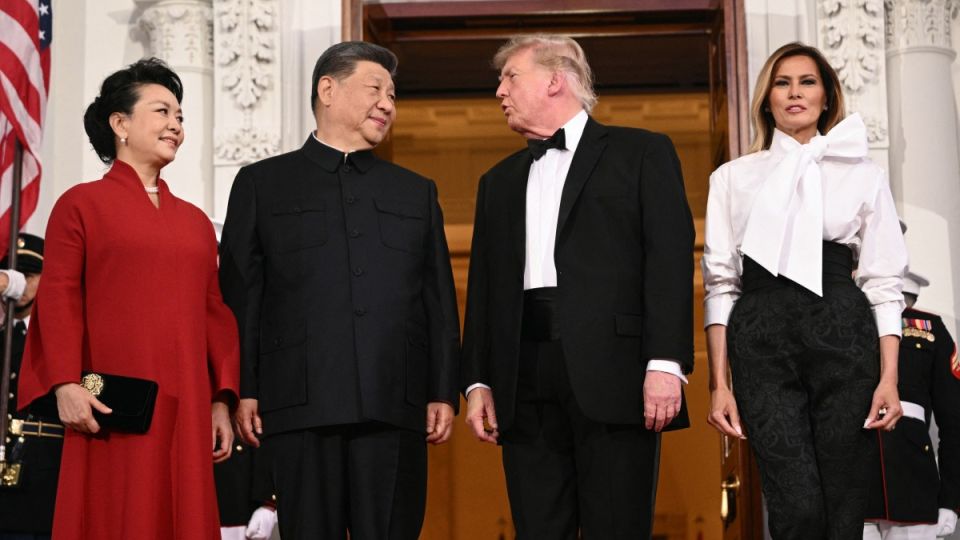
As President Trump prepares to welcome Chinese President Xi Jinping to the White House—the first visit in over a decade—foreign policy experts are grappling with a fundamental question: what exactly does America consider non-negotiable in its relationship with Beijing?
The Chinese government has been explicit about its limits. Days before Xi's arrival in Washington on September 24, Ambassador Xie Feng spelled out four areas where Beijing will tolerate no interference: Taiwan, human rights and democracy, national development paths, and sovereignty over development priorities. These positions represent longstanding Chinese policy, previously articulated by Xi himself during a November 2024 meeting with then-President Biden.
The asymmetry is striking. While China broadcasts its red lines regularly, Washington has remained notably vague about where it draws its own line.
Kelly Grieco, a foreign policy analyst at the Stimson Center, notes that American red lines must be inferred from policy rather than explicit statements. Several candidates emerge: China's support for Iran and its military expansion in that region; Beijing's dominance over rare earth element exports, which remain constrained despite official policy changes; and ongoing tensions over Taiwan and maritime disputes in the South China Sea.
However, the Trump administration's approach appears to prioritize different concerns than its predecessors. Rather than emphasizing human rights, democracy promotion, or Taiwan's security, current US policy focuses on avoiding military conflict, maintaining market stability, and generating diplomatic wins. This represents a significant recalibration of American priorities.
Some observers caution against reading too much into rhetorical shifts. Grieco points out that the administration continues to oppose Chinese military coercion in the South China Sea, maintains security commitments to the Philippines, and conducts joint maritime patrols. "Changes in tone shouldn't be confused with abandonment of actual commitments," she explains.
Ultimately, neither side benefits from ambiguity. According to analysts, both countries would benefit from candid conversations about their respective boundaries. Making these limits explicit—rather than allowing misinterpretation to fester—could reduce the risk of accidental escalation and help stabilize a relationship that affects global stability.