China Highlights Cambodia's Role in Deepening ASEAN Collaboration
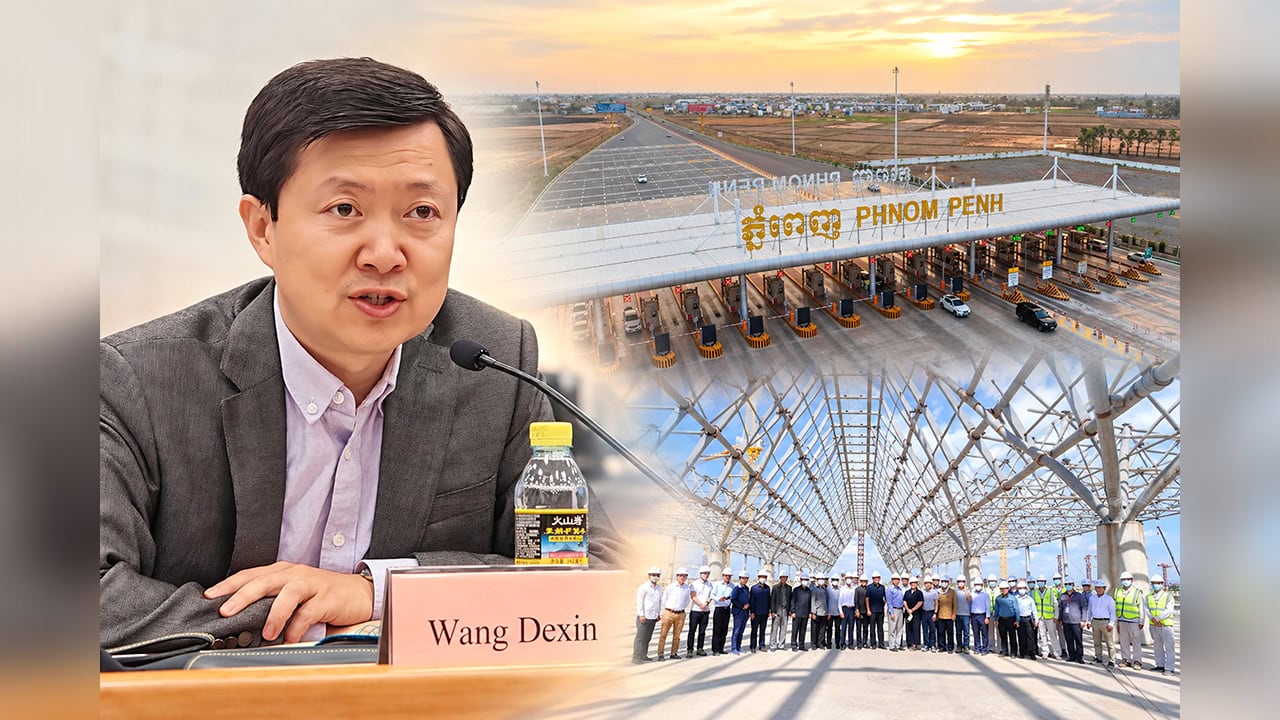
A senior Chinese foreign ministry official has affirmed Cambodia's pivotal role in the next phase of China–ASEAN cooperation, emphasizing strengthened economic and infrastructure ties.
Strategic Partnership in Focus
Wang Dexin, from the Ministry’s Department of Asian Affairs, told visiting ASEAN journalists in Beijing on September 28 that Cambodia serves as both a committed partner and a key beneficiary of deepening China–Southeast Asia engagement. Highlighting Cambodia’s longstanding relationship with China and its active standing within ASEAN, he described the Kingdom as a vital contributor to the broader China–ASEAN comprehensive strategic partnership.
He pointed to existing frameworks such as the China–Cambodia ‘Diamond Hexagon’ initiative and ongoing corridors for industrial development, fish, and rice production. Existing joint projects—including the Phnom Penh–Sihanoukville Expressway, the Techo Morodok National Stadium, and the Siem Reap Angkor International Airport—were cited as concrete outcomes of sustained bilateral cooperation.
Future Directions
Looking ahead, Wang called for expanded collaboration between the two countries, noting that stronger bilateral ties would naturally reinforce the wider China–ASEAN relationship. While no new projects, funding commitments, or deadlines were announced, he reiterated China’s ongoing support for Cambodia’s development goals and improvements in public welfare.
In his opening comments, Wang Xiaolong, also from the Department of Asian Affairs, outlined five-year priorities for China–ASEAN engagement. These include deepening trade and investment integration, enhancing security in energy, food, and supply chains, advancing cooperation in digital technology and AI, and promoting people-to-people exchanges in sectors like education and tourism.
He stressed the importance of utilizing the upgraded China–ASEAN Free Trade Area and the Regional Comprehensive Economic Partnership to strengthen regional industry linkages. When asked how China could deepen AI collaboration beyond technology transfers, he highlighted existing platforms for policy dialogue, business matchmaking, standards alignment, and workforce training, noting that seven ASEAN member states have joined a newly launched international AI cooperation body initiated in Shanghai in July.
Regional Stability and Sovereignty
Wang Xiaolong identified external interference as the primary challenge to regional cooperation, urging both China and ASEAN to uphold strategic autonomy and maintain open communication channels.
The ministerial briefing concluded a week-long visit by 21 journalists from nine ASEAN countries, who此前 participated in events including the China–ASEAN Expo in Guangxi and Fujian provinces before traveling to Beijing.