Civil Society Groups Set Out Climate Priorities Before COP31
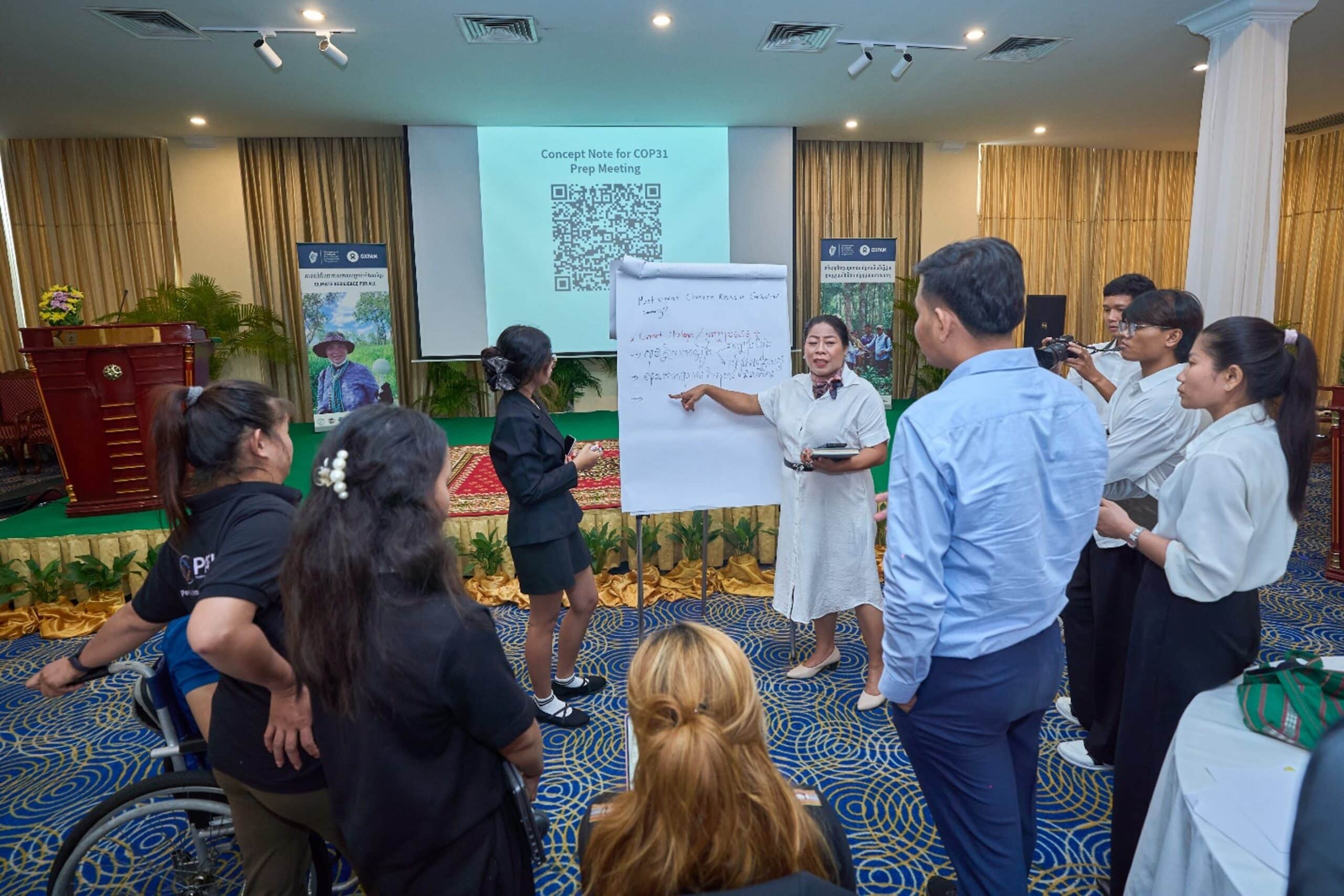
As it prepares for this November's 31st Conference of the Parties (COP31), Cambodia is pressing for climate finance that is easier to obtain and more dependable, greater backing for adaptation and resilience, and a fair transition that ensures no community is left out.
The NGO Forum on Cambodia (NGOF), working alongside Oxfam, held a national preparatory consultation in Phnom Penh on 23 September. The gathering drew roughly 80 participants representing government bodies, civil society organisations, local communities, people with disabilities, indigenous groups, youth associations, academic institutions, businesses, UN agencies and development partners.
According to a joint statement, the session aimed to shape a unified, evidence-driven stance for Cambodia ahead of COP31, which runs from 9 to 20 November in Antalya, Turkiye.
Support for developing nations
Those attending stressed that global climate talks must produce tangible help for developing countries confronting worsening climate effects, while safeguarding livelihoods, food supplies and economic growth.
Discussion focused heavily on Cambodia's approaching graduation from Least Developed Country (LDC) status, the rollout of its Third Nationally Determined Contribution (NDC 3.0), and the importance of retaining access to concessional climate finance and technical assistance throughout that shift.
"Local multi-stakeholder led climate actions is one of key approaches for sustainably coping climate change, so that finance and other resources should be given to the local communities with no obstacles, or pre-requisites," said Soeung Saroeun, executive director of NGOF. "I hope that our voices are heard and taken into account by global leaders, especially emitter countries," he added.
Ambition must be matched by funding
Phean Sophoan, Oxfam's national director in Cambodia, argued that the country's climate goals need to be backed by international financing. She pointed out that Cambodia has pledged bold targets, including a 55% cut in emissions by 2035 and carbon neutrality by 2050.
"However, an equitable global climate regime cannot demand higher ambition from vulnerable nations such as Cambodia while withdrawing concessional support upon LDC graduation. COP31 must deliver grant-based, predictable, and debt-resilient finance to ensure that graduation marks a milestone of sustainable development, not an increase in climate vulnerability," she said.
Voices from the frontlines
Representatives from affected communities described how shifting weather is undermining rural livelihoods and food security.
"Our families depend on the rain, our crops and the fish in our rivers, but unpredictable weather is destroying harvests and pushing communities deeper into debt," said Yem Channy, a community participant from Stung Treng province. "We need greater support for local adaptation efforts, protection of natural resources and meaningful climate finance that reaches communities on the frontlines of the crisis," she added.
Recommendations for COP31
The consultation examined a wide range of issues, among them climate finance, adaptation and mitigation, loss and damage, NDC 3.0 implementation, a just energy transition, nature-based solutions, carbon markets, climate-resilient farming and food systems, green investment and gender-responsive climate policy.
Organisers put forward several proposals, including:
- Safeguarding climate-finance access for countries leaving LDC status
- Boosting grant-based funding for adaptation
- Improving direct access to the Loss and Damage Fund
- Ensuring global adaptation frameworks acknowledge the value of freshwater ecosystems such as the Mekong River and the Tonle Sap Basin