Cockroach Janata Party Asks Delhi High Court to Free Jailed Leaders
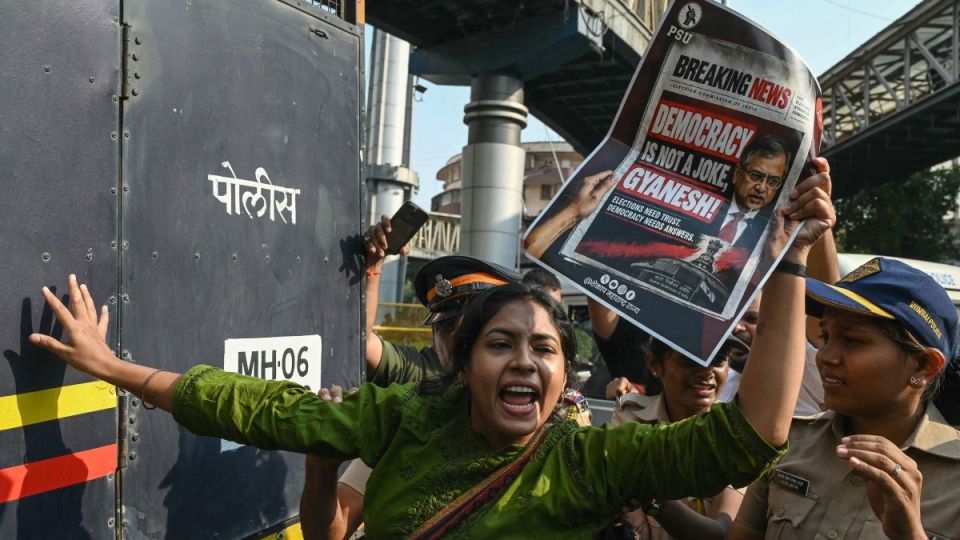
The Cockroach Janata Party (CJP) has taken its case to the Delhi High Court, seeking the immediate release of its leaders, Ashutosh Ranka and Saurav Das. The petition was filed on Wednesday, a day after a Special Executive Magistrate (SEM) court extended the two men's custody by another two days.
In a post on X, the party requested an urgent night hearing. It argued that the pair's freedom should not be sacrificed for political revenge, and warned that delayed justice amounts to justice denied.
Ranka and Das were arrested on October 12 for allegedly climbing over a locked gate and waving the tricolour flag at Jantar Mantar. The site has long been a hub for public demonstrations in Delhi, but it was recently removed from the city's list of designated protest locations.
The two were protesting alleged irregularities in the Special Intensive Revision (SIR) of electoral rolls. They had also shouted slogans against Chief Election Commissioner Gyanesh Kumar.
After first being sent to five days of judicial custody, they received a two-day extension from the SEM court. The magistrate said their conduct showed disregard for the law and pointed to a pattern of holding protests in areas where they are not permitted.
The court noted that the investigating officer had placed significant material on record, suggesting a risk of a breach of peace and disruption of public order. It also found that the two had allegedly violated peace bonds they signed before the SEM in South-West District on October 11, and had then committed another breach in the present case.
Delhi Police backed the continued detention, citing repeated legal violations and fears that release could lead to further offences and encourage others to act in the same way.
The court also rejected the sureties offered for the two leaders after an inquiry uncovered discrepancies in identity documents. The sureties were also unable to provide basic details about the people they had agreed to stand for, and the court ordered fresh sureties to be submitted.