Four-Year-Old's Rabies Death in Nepal Goes Unrecorded in Official Statistics
A young boy from Sindhuli, just four years old, was brought to Kathmandu's Sukraraj Tropical and Infectious Disease Hospital on September 23 after showing signs of rabies infection. His condition rapidly declined, prompting medical staff to transfer him to intensive care the next day.
Faced with the grim reality that rabies cannot be treated once symptoms emerge, and watching their son's health fail, the parents made the difficult choice to take him home. According to a hospital physician who requested anonymity, the child died during the journey. Because his death occurred outside a government medical facility, it was never added to official mortality statistics.
Rabies, a fatal viral infection transmitted through the saliva of infected animals—particularly dogs and jackals in Nepal—continues to claim lives across the country. Government data from the Epidemiology and Disease Control Division shows that more than 223,000 animal bites were reported in fiscal year 2024-25, with dogs accounting for 96 percent of incidents. In Kathmandu Valley alone, over 600 people are bitten by dogs daily.
Health experts estimate that approximately 100 Nepalis die from rabies annually, though the actual number may be considerably higher. Many cases slip through the cracks: victims who never sought vaccination, those who paid for treatment at private clinics or pharmacies, and deaths that occur outside the formal healthcare system all escape official tallies.
Children bear a disproportionate burden of dog bites and rabies cases, with dogs responsible for roughly 99 percent of human infections, according to division reports. Medical professionals point out that many fatalities result from delayed or missed vaccination after a bite.
Dr. Sher Bahadur Pun, who leads the Clinical Research Unit at Sukraraj Hospital in Teku, explained a common and dangerous misconception. "Children are drawn to puppies and often play with them," he said. "When a puppy bites, children may hide it from their parents out of fear of punishment. Parents, meanwhile, mistakenly believe puppies cannot carry rabies. This false assumption has cost lives." The recent victim had reportedly been bitten by a puppy.
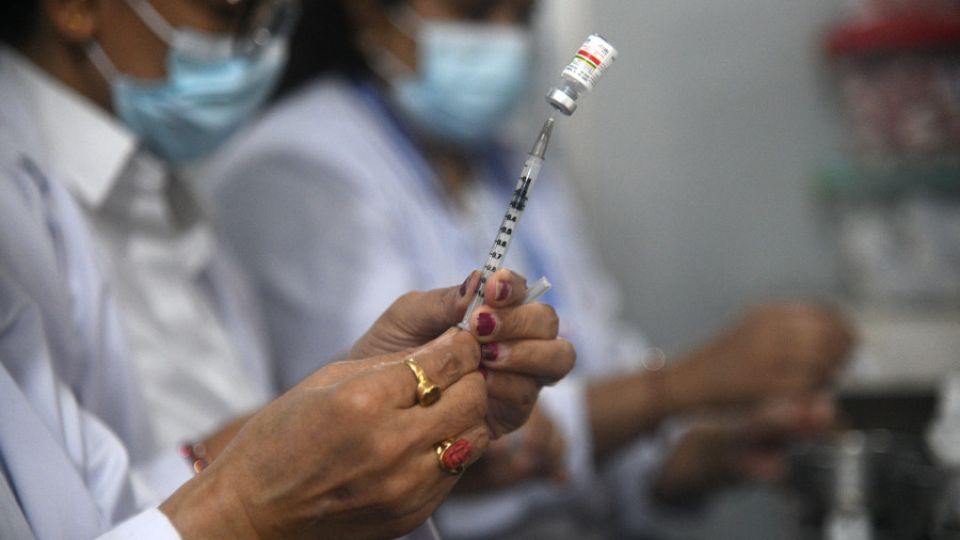
The situation worsened this year when health authorities failed to maintain adequate supplies of anti-rabies vaccine at medical facilities for several months. Bite victims who could not afford to purchase vaccines privately—costing up to 1,000 rupees per dose, with at least four doses required within a month—went without protection. Some traveled to Kathmandu seeking treatment, while others simply went unvaccinated.
The shortage became so severe that healthcare facilities across multiple provinces procured vaccines independently and appealed to provincial and local governments for assistance. Even Sukraraj Hospital, the country's primary referral center for animal bite treatment, requested vaccine supplies from the Kathmandu Metropolitan City and the Bagmati and Gandaki provincial governments earlier in the year.
Nepal has committed to eliminating dog-transmitted rabies by 2030, aligning with a World Health Organization target. Yet health ministry data reveals that dog bite incidents continue to climb each year. Globally, rabies claims 59,000 lives annually—one person every nine minutes—with children and economically disadvantaged populations most at risk, according to WHO figures.