How Beijing's Riverside Light Festival Could Inspire Cambodia's Night Tourism Development
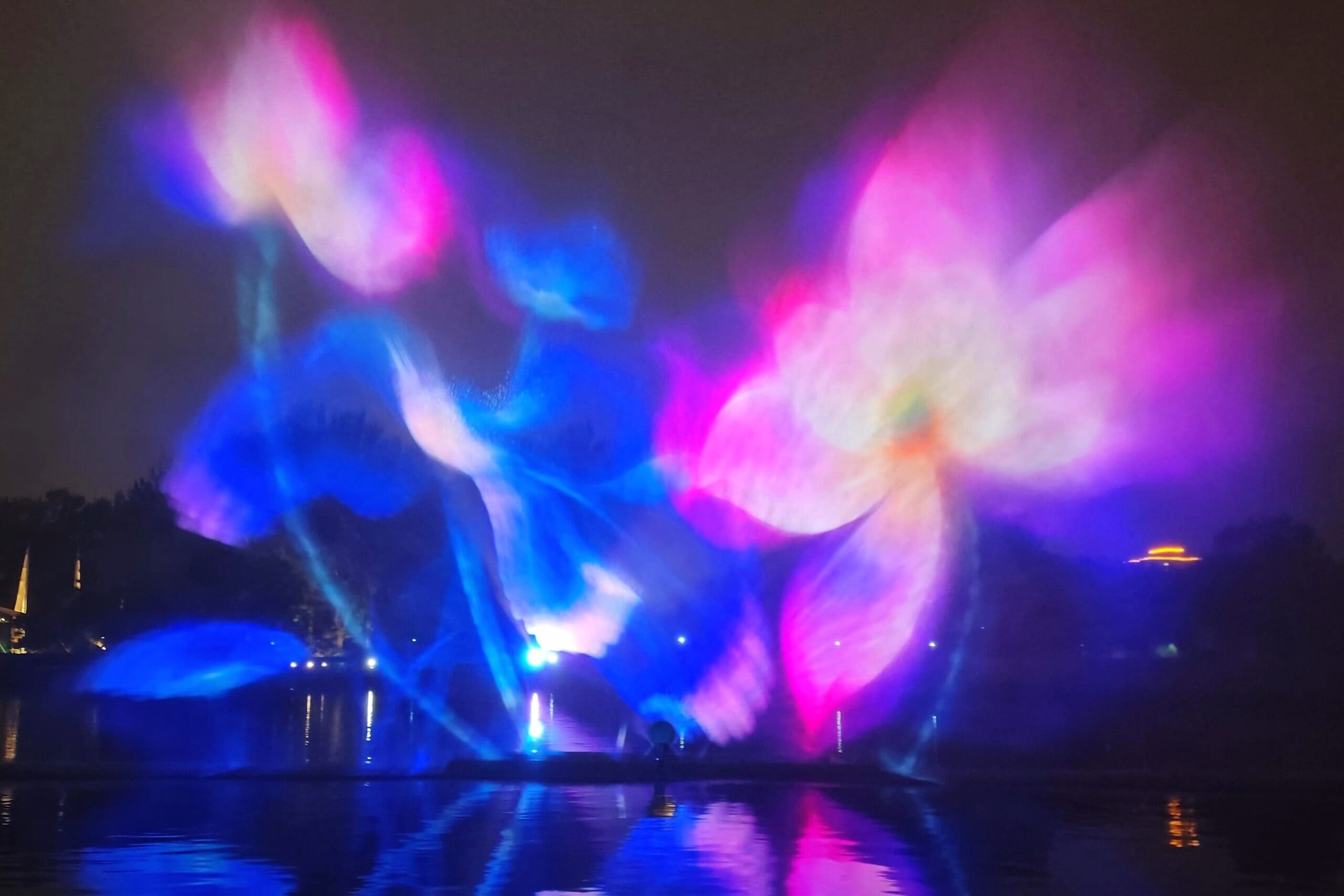
A recent riverside light festival in China's capital has sparked conversations about how Cambodia might expand its own after-dark cultural offerings. The Liangma River event, which ASEAN media representatives observed on September 24, showcased how urban waterways can become dynamic venues for evening entertainment and cultural engagement.
Before embarking on a nighttime river cruise, the visiting journalists joined officials at the Shell Theatre for the launch ceremony of the 2026 Beijing Chaoyang International Light Consumption Season. The boat journey took them past multiple performance sites and illuminated art pieces positioned along the waterway.
What stood out was the integration of artistic expression with commercial activity—combining dining, retail, tourism and cultural programming to draw crowds once daylight fades. The model removes art from traditional indoor venues and weaves it into the fabric of public life.
This concept holds potential for Cambodian cities, especially along Phnom Penh's waterfront and in Siem Reap, where heritage sites, performing arts, culinary traditions and lit-up landmarks could form cohesive evening itineraries for locals and tourists alike.
Cambodia's Existing Night Programming
The country has already tested similar concepts through its annual Thanks Angkor Festival, which brings cultural events into the archaeological park after sunset. The Memory Night series has featured traditional Khmer performance forms staged against the backdrop of Angkor Wat.
The 2022 edition marked three decades since Angkor earned its UNESCO World Heritage designation, with presentations of Lakhon Khol, Kun Lbokator and other indigenous art forms. The following year saw nearly 80,000 people attend various exhibitions and performances throughout the complex.
Evening programs have included shadow puppet theater, classical dance and martial arts demonstrations at iconic locations like the Terrace of the Elephants and near the central temple.
Lessons from Edinburgh and Beijing
Richard Lewis, who chairs the Asian Arts Fund Scotland and formerly coordinated Edinburgh's festival operations, described the Chinese riverbank setting as an effective way to democratize access to the arts.
He noted that the waterside becomes the stage while the cityscape provides the scenery, eliminating physical and psychological barriers that keep people away from galleries and performance halls. Art instead mingles with the evening atmosphere, the urban environment and residents' daily routines.
Lewis explained that Edinburgh and the Liangma River festival have established a bilateral cultural exchange initiative called Dialogue Between Two Cities. He hopes this will lead to sustained partnerships between the two locations, facilitating artist exchanges, collaborative productions and shared learning among creative communities.
Edinburgh's annual festivals draw over 4.5 million visitors, turning Scotland's capital into an international cultural hub through programming in streets, heritage buildings and pop-up spaces. Beijing's riverside event applies comparable strategies, embedding performances and installations within commercial zones and public areas.
What the ASEAN Journalists Saw
During their boat excursion, the media delegates encountered diverse artistic elements: a light-and-shadow presentation at the Shell Theatre, a water piano at White Sail Pier, traditional Chinese instrumental music near Lotus Lake, and a floating stage shaped like a puzzle cube on North Lake.
Interactive aquatic performances and illumination displays appeared at Shuidui Bridge and other points along the route. The festival incorporates 46 light installations developed in partnership with international creative teams, eight leading Chinese art institutions and various other collaborators.
Festival organizers have also mapped out four thematic paths that link the light displays with music, gastronomy, creative sectors, sports and intangible cultural heritage. More than 20 cultural and entertainment activities are scheduled across Chaoyang's main shopping districts.
The 2026 festival runs from September 11 through October 11, encompassing China's Mid-Autumn and National Day holidays. The full light installations were switched on September 24.
According to organizers, the aim is to position Chaoyang as a globally recognized destination for urban illumination experiences where visitors can enjoy performances, participate in cultural activities and support local commerce.
Implications for Cambodian Tourism
While the festival isn't officially an ASEAN-China partnership, the presence of Southeast Asian journalists offered them a chance to study how Beijing connects public culture with tourism and the evening economy.
For Cambodia, the takeaway is that nighttime tourism need not rely exclusively on bars, restaurants or standard commercial entertainment. Traditional music, dance, handicrafts, regional cuisine, illuminated heritage structures and water-based performances can combine into richer cultural experiences.
Phnom Penh might develop such programming along portions of its riverside, while Siem Reap could further link Angkor's after-dark performances with the Siem Reap River, local markets, traditional cuisine and indigenous crafts.
Cambodia has already moved in this direction with weekly cultural pop-up events launched in Siem Reap on September 18. These feature Kun Lbokator at the Terrace of the Elephants on Fridays and shadow puppet theater along the Siem Reap River on Saturdays.