Is Skinny Worth It? South Korea’s Weight-Loss Obsession and Its Health Costs
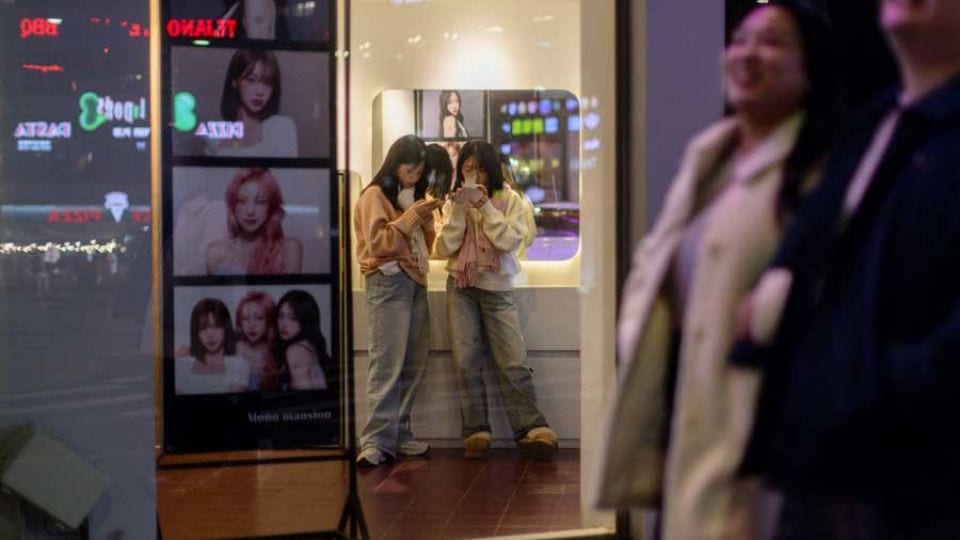
South Korea’s cultural ideal of slimness has taken on troubling dimensions, with growing concerns over unhealthy weight-loss behaviors — especially among women. Popular K-pop star Jang Won-young, standing 173 cm tall and weighing just 48 kg, exemplifies the societal standard: a BMI of 16, well below the threshold for underweight and associated with serious health risks.
Recent data from the Korea Disease Control and Prevention Agency shows that in 2025, 6.2% of South Korean women were classified as underweight (BMI ≤ 18.5), nearly four times the rate among men (1.6%). The disparity was most pronounced in Seoul, where 8.2% of women fell into the underweight category. Meanwhile, male obesity rates outpaced those of women, with 41.5% of men and 24.2% of women classified as obese under Korea’s lower BMI cutoff of 25 (compared to the international standard of 30).
A distorted self-image
A concerning number of women who are not overweight perceive themselves as fat. According to a 2024 report by the Korean Society for the Study of Obesity, nearly 19% of women with a normal BMI (18.5–24.9) believed they were obese — over four times the proportion of men with the same self-assessment. Even 0.6% of underweight women shared this misperception.
Analysis of national health surveys from 2022 to 2024 revealed that 15.1% of women aged 19–29 were underweight, and more than one in six of those reported having tried to lose weight. Among women with a normal weight, over half attempted weight loss.
Health consequences of extreme thinness
The risks of being underweight are well documented. Malnutrition, weakened immunity, osteoporosis, anemia, and stunted growth are among the potential consequences. A 2022 nationwide cohort study published in Scientific Reports found that severely underweight individuals (BMI < 16.5) had a 28% higher risk of fractures compared to those with a normal BMI. Even moderate or mild underweight carried elevated risks — 14% and 9% respectively.
Lawmaker Heo Jong-sik has called for stricter oversight of weight-loss drugs, warning against their use by individuals who are already at or below a healthy weight. He emphasized that while obesity remains a public health priority, societal pressure to be thin may be driving dangerous behaviors.
Though South Korea ranks near the bottom of OECD countries for obesity, the country’s stricter definition masks underlying issues. The male obesity rate has climbed nearly 10 percentage points since 2015, while the female rate barely budged — yet the cultural obsession with slenderness continues to pose serious health threats, particularly for young women.