Liangma River light festival shows Cambodia how to extend tourism after dark
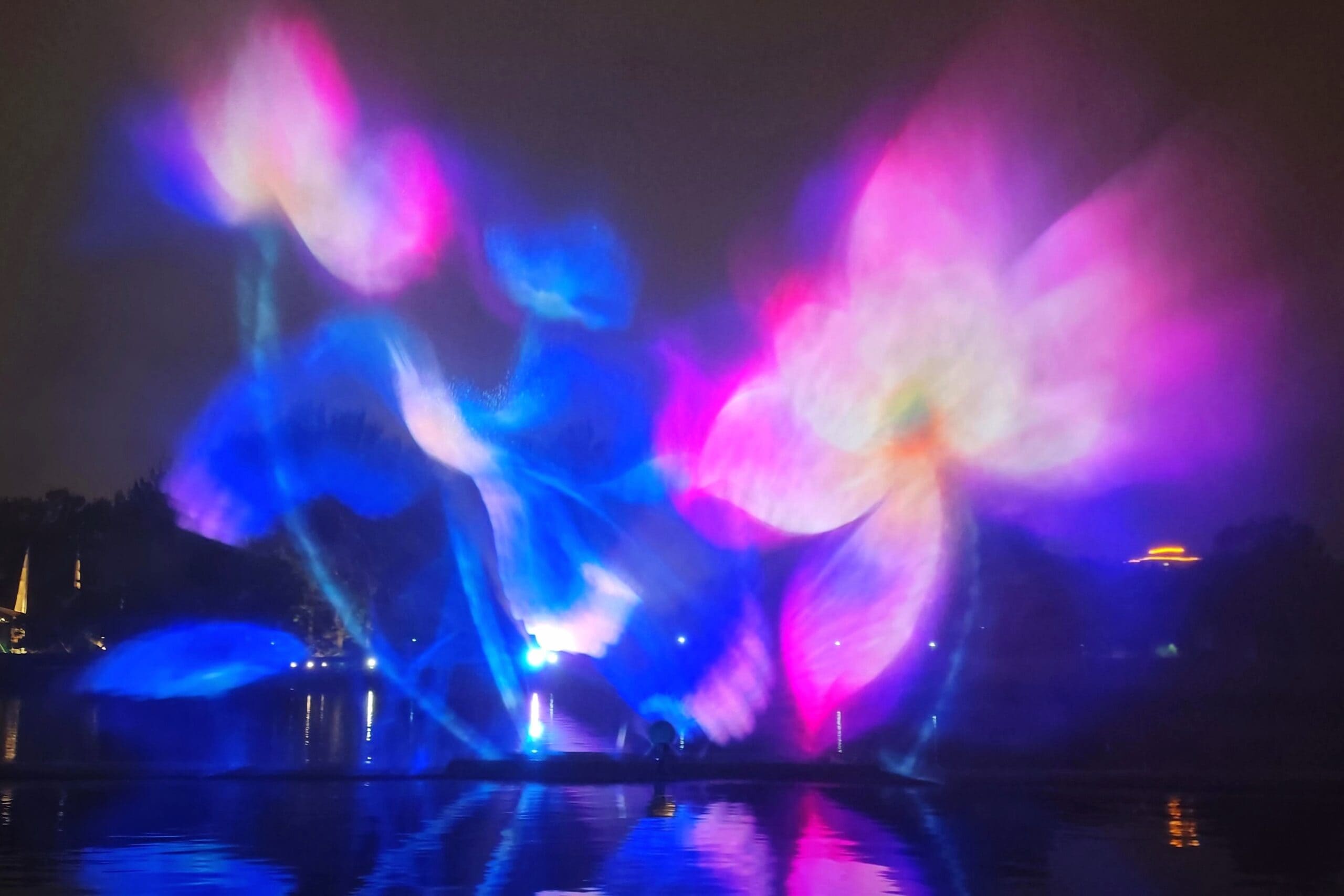
Beijing has turned the Liangma River into an evening showcase of illumination, music and international performance, giving Cambodia a possible blueprint for building night-time tourism around its rivers and public spaces. ASEAN journalists saw the festival first-hand during a visit on 24 September.
They took part in the opening ceremony for the 2026 Beijing Chaoyang International Light Consumption Season at the Shell Theatre, then rode a boat along the river after dark. The route passed a sequence of performances and interactive installations designed to draw people into the city after sunset.
Art outside the theatre
The programme showed how public art can be woven together with tourism, dining, shopping and cultural events. By putting shows in riverside public spaces, it also made performances available beyond the walls of conventional theatres and galleries.
That idea could be useful in Cambodia, especially along Phnom Penh’s riverfront and in Siem Reap, where dance and music, street food, parks and lit-up landmarks could be linked into planned after-dark routes.
Cambodia has already tested night-time culture inside the Angkor Archaeological Park through the annual Thanks Angkor Festival and its “Memory Night” programme.
The 2022 edition marked 30 years since Angkor was inscribed on UNESCO’s World Heritage List. It included Lakhon Khol, Kun Lbokator and other Khmer performances staged behind Angkor Wat.
In 2023, almost 80,000 people visited exhibitions and performances across the Angkor Archaeological Park. Night programmes featured Lakhon Yike, Lkhon Sbek Thom and Lakhon Khol near Angkor Wat, as well as Khmer martial arts demonstrations at the Terrace of the Elephants.
Connecting Edinburgh and Beijing
Richard Lewis, now chairman of the Asian Arts Fund Scotland and formerly chairman and general coordinator of the Edinburgh Festivals Committee, said the Liangma River was a fitting place to bring art into ordinary city life.
He described the riverbank as a stage and the city as the backdrop, adding that without barriers art need not remain locked inside theatres and galleries. Instead, he said, it can blend with the evening air, streets, lanes and the daily routines of residents.
Lewis also noted that the Edinburgh Festival and the Liangma River International Arts Festival had created a cultural exchange programme called “Dialogue Between Two Cities”. He said he hoped it would grow into steady cooperation between Chaoyang and Edinburgh, with Chinese and British artists exchanging visits, sharing original works and learning from one another.
According to Lewis, Edinburgh’s festivals draw more than 4.5 million visitors each year and have turned the Scottish capital into a global stage for performances in streets, historic buildings and temporary venues.
Beijing’s festival uses a comparable method along the Liangma River, placing shows and installations within commercial areas and shared public spaces.
What the boat tour offered
During the tour, the ASEAN journalists watched a light-and-shadow display at the Shell Theatre, a water-piano installation at White Sail Pier, a traditional Chinese instrumental performance near Lotus Lake and a floating “Rubik’s Cube” stage on North Lake.
Interactive water performances and light shows also appeared at Shuidui Bridge and other points along the river.
The festival includes 46 light-and-shadow installations made by international art teams, eight leading Chinese art academies and other cultural institutions. Organisers have mapped four themed routes that connect illumination with art, music, food, creative industries, sport and intangible cultural heritage. More than 20 cultural and entertainment events are planned across Chaoyang’s main commercial districts.
The 2026 festival runs from 11 September to 11 October, spanning China’s Mid-Autumn Festival and National Day holiday period. Special light installations were officially switched on on 24 September.
Organisers said they want to establish Chaoyang as a recognised international destination for urban light-and-shadow events, giving visitors performances to watch, cultural activities to try and local businesses to support.
Implications for Cambodia
Although the festival was not formally an ASEAN–China event, the visit gave ASEAN journalists a chance to see how Beijing connects public culture with tourism and the night-time economy.
For Cambodia, the takeaway is that after-dark tourism need not rely only on bars, restaurants or commercial entertainment. Traditional music and dance, crafts, food, heritage sites lit at night and river performances can form a wider cultural offering.
Phnom Penh could try similar concepts along chosen stretches of its riverfront. Siem Reap could link Angkor’s evening performances with the Siem Reap River, local markets, Khmer cuisine and traditional arts.
Cambodia has already moved in that direction with weekly cultural pop-up performances launched in Siem Reap on 18 September. The programme features Kun Lbokator at the Terrace of the Elephants on Fridays and Lkhon Sbek Thom along the Siem Reap River on Saturdays.