Manet raises 2027 minimum factory wage to $212
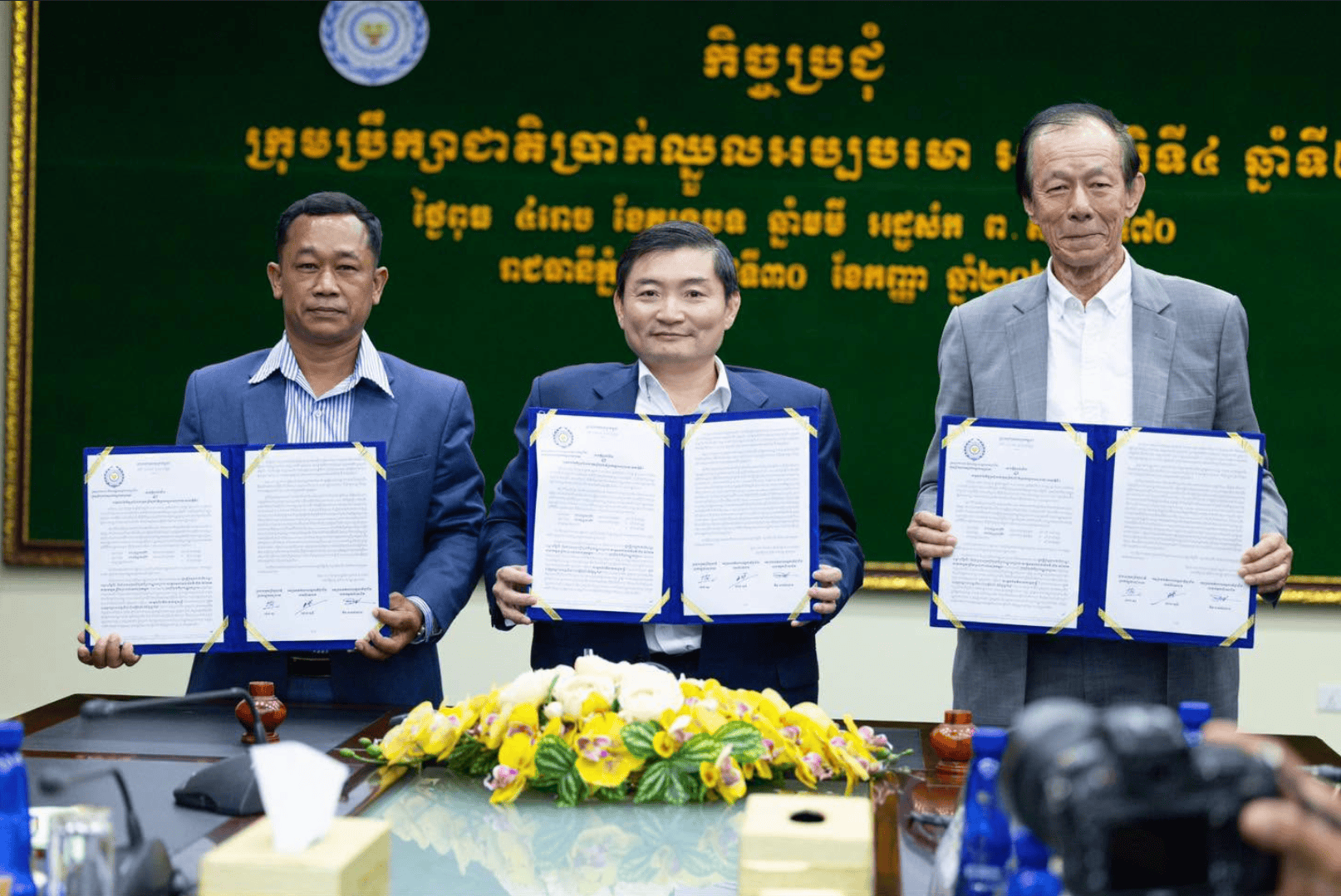
Cambodia's Prime Minister Hun Manet has directed the National Council on Minimum Wage to add $2 to the monthly minimum wage for textile, garment, footwear, and travel goods and bags workers in 2027, setting the new base figure at $212.
Before the prime minister stepped in, council members had voted by secret ballot to keep the wage at its current level of $210.
Employer and worker representatives had reportedly remained at odds over the number, with labour representatives seeking a $15 increase and employers arguing for no change at all.
The $210 option won 47 of 51 votes, while the $225 proposal picked up three. One ballot was spoiled.
Manet also told the council to keep a temporary $2.50 monthly travel and accommodation allowance in place.
Together, these measures amount to a $4.50 rise in the monthly basic wage package for sector workers in 2027, lifting the effective minimum wage to $214.50.
A number of other benefits will stay as they are, among them a $10 regular attendance bonus, a $7 monthly travel and accommodation allowance, and a seniority bonus that starts at $2 per month in an employee's second year and climbs by $1 each year up to the 11th year.
Workers putting in overtime will also be entitled to a meal allowance of 2,000 riel per day or a free meal.
"As a result, the actual monthly basic wage paid to workers in the textile, garment, footwear, and travel goods and bags sectors in 2027 will fall between $231.50 and $242.50," the council announced.
Writing on social media, Manet said he had been following the negotiations closely and receiving regular briefings on the 2027 minimum wage discussions from labour minister and council chairman Heng Sour since the talks got underway.
"Taking into account the final positions of employer representatives and workers' representatives, and in line with the Law on Minimum Wage, I have instructed the council to add $2 to the $210 figure," he said.
The prime minister praised the council's members for holding their discussions in a professional and consensus-driven manner, weighing workers' living standards, national competitiveness, and the ability to generate new jobs for young people and the families of workers.
He added that the government would keep rolling out measures to support the livelihoods of workers and citizens, while also working to improve the investment climate, back the development of domestic products, and strengthen competitiveness to draw further investment.