Nepal Supreme Court Orders Rules for Regulated Cannabis Cultivation
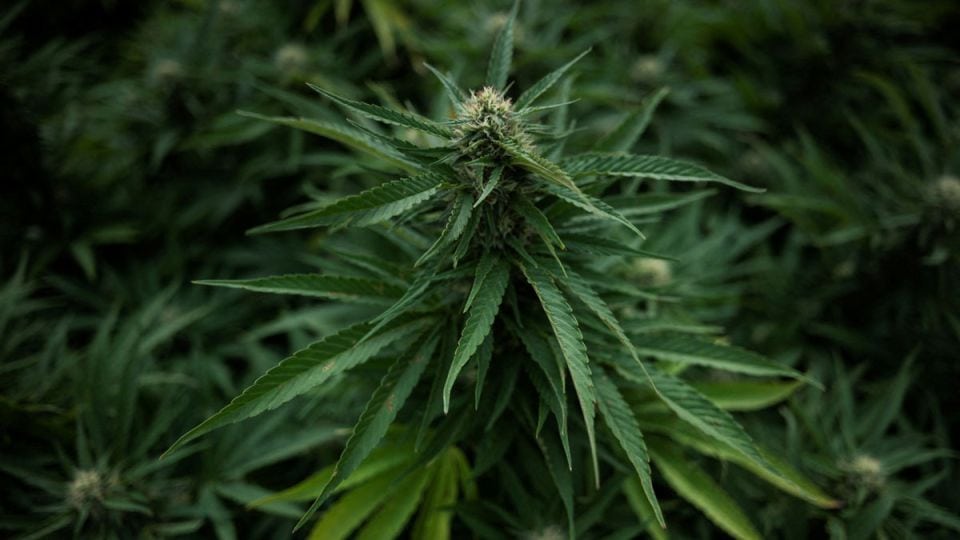
Nepal's Supreme Court has directed the government to set up a legal framework for licensed cannabis cultivation and production. The purposes covered are medicinal, scientific, agricultural, horticultural and industrial. Officials have three months to issue the rules, standards and procedures needed to put the Narcotic Drugs (Control) Act, 1976 into practice.
A division bench made up of Justices Nahakul Subedi and Til Prasad Shrestha delivered the ruling on May 18, 2025, but the full written verdict was only made public recently. The case was brought through a writ petition filed by advocate Saroj Adhikari and others.
The court found that the government had failed for a long time to use its delegated power to write implementing rules under the 1976 Act. As a result, the law's provisions on regulating cannabis could not be applied. The new rules must be consistent with the Act and with the 1961 Single Convention on Narcotic Drugs, particularly Articles 23 and 28, which govern the control and supervision of cannabis cultivation.
What the government must cover
The court said the framework must include a strict system of licensing and monitoring. It should govern the following activities for approved purposes:
- Cultivation, production and processing
- Storage, use, sale and distribution
- Import and export
At the same time, the rules must make sure licensed operations are allowed while illegal cultivation, manufacture, preparation and distribution are prevented.
Recreational use left for later
On recreational use, the court noted that the existing law does not explicitly provide for it, and that the issue has broad social and economic consequences. It asked the Office of the Prime Minister and the Council of Ministers to hold wider consultations with subject experts and stakeholders before considering any amendment. Those discussions should take Nepal's social, economic and cultural context into account.
The court also said the law exists to prevent the social harm that uncontrolled cannabis use can cause, while allowing the state to regulate the sector and benefit from it. Because the government had not framed the rules needed to implement the law, the court held that it had failed in its legal duties. It therefore issued an order under Article 133 (2) and (3) of the Constitution, directing the government to write the necessary rules without delay.