New Dysphagia-Friendly Ramen Lets People with Swallowing Difficulties Enjoy Noodles Again
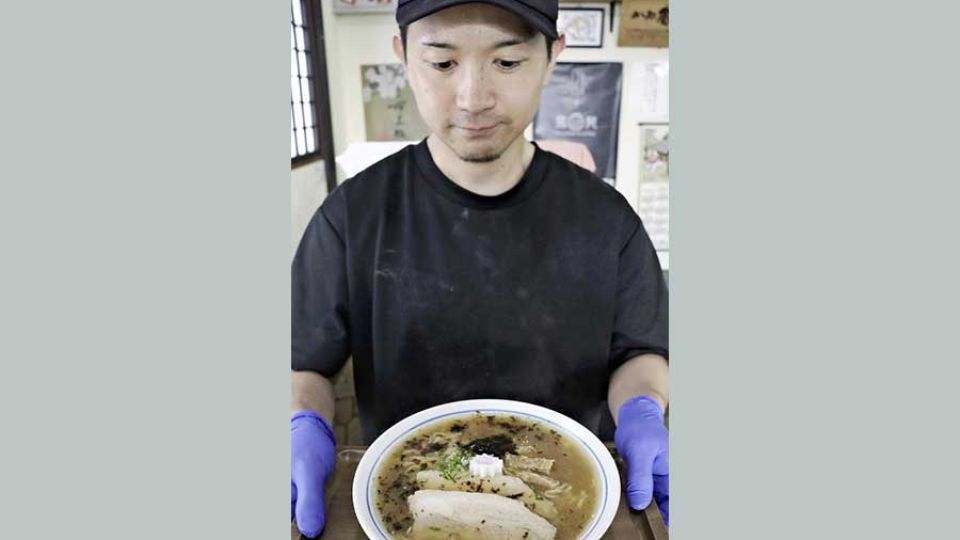
A new style of ramen designed for people with swallowing difficulties caused by illness or ageing has been developed in Tsuruoka, a city in Japan's Yamagata Prefecture. The region has a distinctive ramen culture, and the creators wanted everyone, including those who struggle to eat, to be able to enjoy a dish that is so beloved across Japan.
The recipe came out of a partnership between local chefs and registered dietitians who specialise in easy-to-swallow food made with regional ingredients. They worked with restaurant owner Yuki Onodera, 36, who runs the ramen shop Mendokoro Tsurutsuru.
The project began in the winter of 2024, when Kaori Adachi, 46, a co-representative of the group, told Onodera that whenever patients in hospitals or residents of care facilities are asked what they would like to eat, ramen is always the answer.
Onodera immediately thought of his own aging parents. The idea that they might one day be unable to eat ramen saddened him, and that thought prompted him to start developing a version that people with swallowing problems could manage.
Adapting a signature dish
He based the new bowl on his restaurant's signature Chuka Soba, a Chinese-style noodle dish. He made several changes to suit it to people who have trouble swallowing:
- He made the house-made noodles thinner, reducing them from about 2 millimeters to between 1.2 and 1.5 millimeters.
- He extended the boiling time from one minute to six or seven minutes, so the noodles are soft enough for a toddler to bite through.
- He removed the sinew from the chashu pork and simmered it thoroughly until tender.
The bamboo shoots used as menma topping posed a particular challenge, since their fibrous texture can catch in the throat. Onodera finely chopped them and reshaped them using kudzu starch. The broth, made with locally sourced duck, is rich in collagen, which helps the ramen slide down the throat more smoothly.
Positive response
A tasting event in July drew around 40 attendees, including older people and their families, and the feedback was encouraging. One guest said, “I had no trouble swallowing the noodles or the chashu pork. I liked the broth, too.” Adachi also praised the dish, noting that many existing ramen products for people with swallowing difficulties turn mushy, whereas Onodera's version keeps the firmness of real noodles.
After making small adjustments, including making the noodles even thinner, Onodera began serving the ramen in October. It is available by reservation only at his restaurant.
A city built around ramen
In Yamagata, it is common for shops to deliver ramen to homes when guests are visiting, and each area has its own local styles. According to the Family Income and Expenditure Survey by the Ministry of Internal Affairs and Communications, Yamagata City has ranked first in the country for four years running in annual household spending on restaurant Chinese-style soba.
Onodera hopes the initiative will grow: “People here grow up eating ramen from a young age. Every shop has its own character, and I hope more restaurants will be willing to offer dysphagia-friendly ramen too.”
A wider range of soft foods
Meals for people with swallowing difficulties were once mostly liquids. Thanks to growing demand for food that is both safe and enjoyable, along with advances in cooking techniques, a much wider range of options now exists. The research group that worked with Onodera has also created easy-to-swallow versions of sushi, steak and children's meals.
Elsewhere, Honke Shibato, an eel restaurant in Osaka Prefecture, serves “Yawaraka Mamushi,” an eel rice bowl processed in a special machine so it can be mashed with the tongue. Baigetsudo, a confectionery shop in Nagasaki Prefecture, began selling cakes for people with swallowing difficulties two years ago. The sponge is very moist, and toppings such as peaches and pineapple are softened until they can be mashed with the tongue.
Jun Kayashita, a professor of nutrition at Kobe Gakuin University, sees this growing variety as an important step. “Having more dietary choices leads to a better quality of life,” he said.
He added that enjoying favourite foods is vital for keeping the desire and ability to eat. “It's important to help people enjoy their meals while also taking measures to prevent aspiration and other problems.”