Oxfam Calls for Lasting Support for Cambodian Families Displaced by Border Conflict
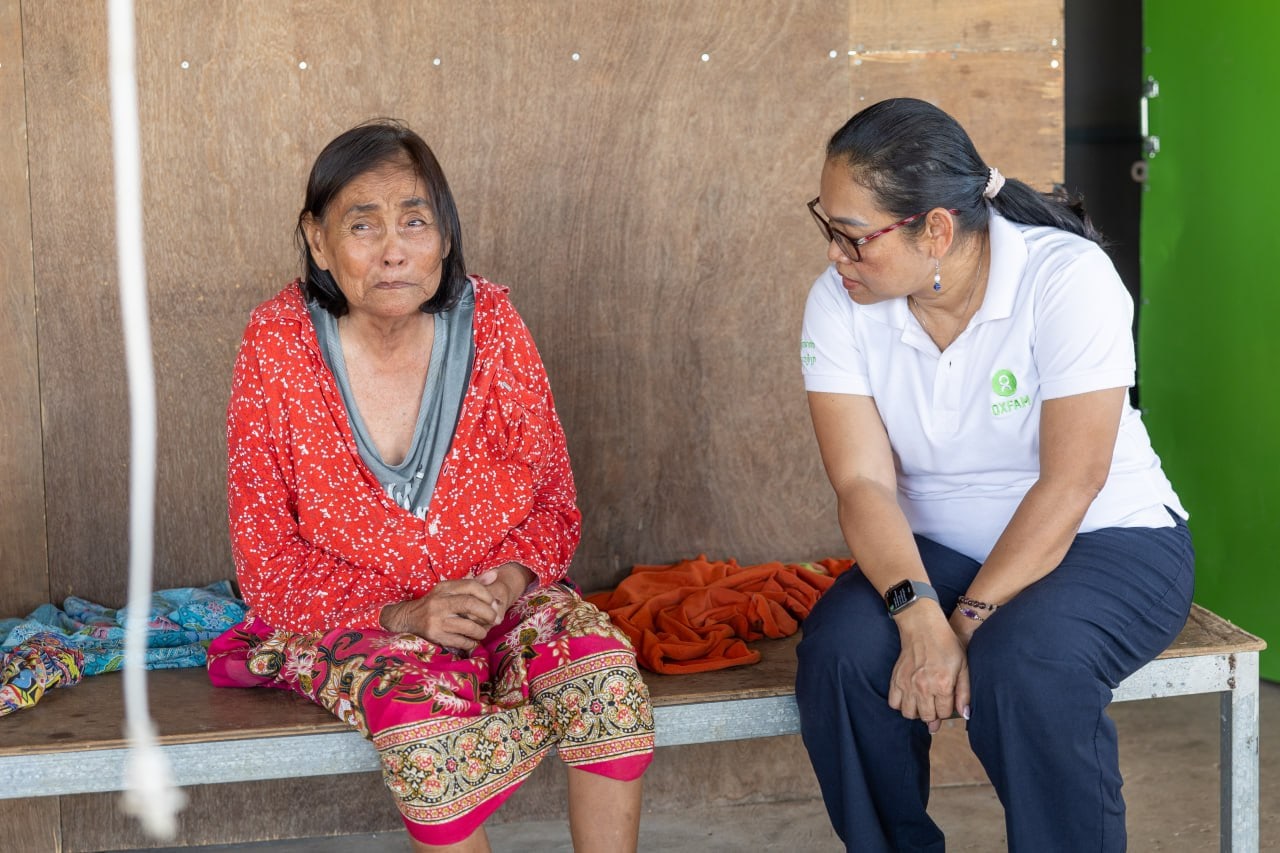
Oxfam International is urging sustained, urgent aid for the thousands of Cambodian families forced from their homes by the conflict along the Thai border. The aim, the organisation says, is to help them return safely, rebuild their incomes and regain their dignity.
In a statement issued on October 26, Oxfam executive director Amitabh Behar made the case for this support after visiting communities uprooted by the fighting.
A Ministry of Interior report dated October 22 counts 20,923 people, including 10,674 women and 6,066 children, still living in temporary sites known as “waiting villages.” They cannot go back because their homes lie in areas still affected by the conflict, in territory now held by Thai security forces, or in villages contaminated with unexploded ordnance.
One of them is Prak Sophorn, 64, who cannot walk and whose health is getting worse. She wants nothing more than to go home but has no idea when that might be possible. “I long to return, but I don’t know when that day will come. We have lost our income, our livestock and so much more. Please do not forget us,” she said.
During his October 22 trip to displaced communities in Oddar Meanchey province, Behar heard residents describe their struggles, from uncertainty about going home to rebuilding their livelihoods and securing a stable future for their children.
Although the ceasefire has brought hope and stopped the immediate violence, Behar said the crisis is far from over for thousands of families who still cannot return to their former homes.
He stressed that people want to rebuild their lives and give their children a future, but that will take more emergency help. Families need long-term investment in livelihoods, access to land, jobs and recovery support so they can return safely and live with dignity.
Clean water a pressing need
Access to safe drinking water is among the most urgent needs for displaced households. Without it, people, especially older adults, people with disabilities and young children, face a greater risk of waterborne illness, poor sanitation and declining health.
Oxfam says dependable clean water is central to protecting people’s health, dignity and wellbeing.
Work with local partners
Since the displacement began, Oxfam has worked with local authorities and partner groups to assess urgent needs. These partners include Village Support Group (VSG), the Cambodian Farmer Federation Association (CCFC), Living and Learning in Cambodia (LLC), Development and Partnership in Action (DPA) and the Human Resource and Rural Economic Development Organisation (HURREDO).
What the assessments found
In October, Oxfam carried out assessments in Banteay Meanchey and Oddar Meanchey provinces. Displaced households reported heavy losses: many had lost their homes, livestock, farm equipment and other productive assets. In some areas, access to farmland remained restricted, incomes had fallen and uncertainty was holding back recovery.
Many families have used up their savings, taken on debt and lost chances to earn money.
Meanwhile, hundreds of thousands of migrant workers have been forced to return home. Conflict-affected communities now face fewer jobs and shrinking incomes, which raises the risk of long-term poverty.
Oxfam is calling on authorities and development partners to keep investing in practical measures that meet immediate humanitarian needs while also supporting peace, long-term recovery, resilience and decent livelihoods.
“Rebuilding livelihoods is about more than going home. It means revitalising local economies so communities can move forward safely and with hope. Everyone must work together so families affected by the conflict get the support and opportunities they need to rebuild their lives,” Behar said.
Broader engagement
During his visit, Behar also met with civil society groups, youth representatives, journalists, officials from the Ministry of Environment, development partners and other stakeholders. These included representatives of the Australian government, the Swiss Agency for Development and Cooperation and the EU delegation.
He said these discussions helped strengthen cooperation and renew a shared commitment to tackling inequality, advancing climate justice and promoting inclusive, sustainable development in Cambodia.