Persistent Rains Bring Misery to Displaced Flood Survivors in Nepal
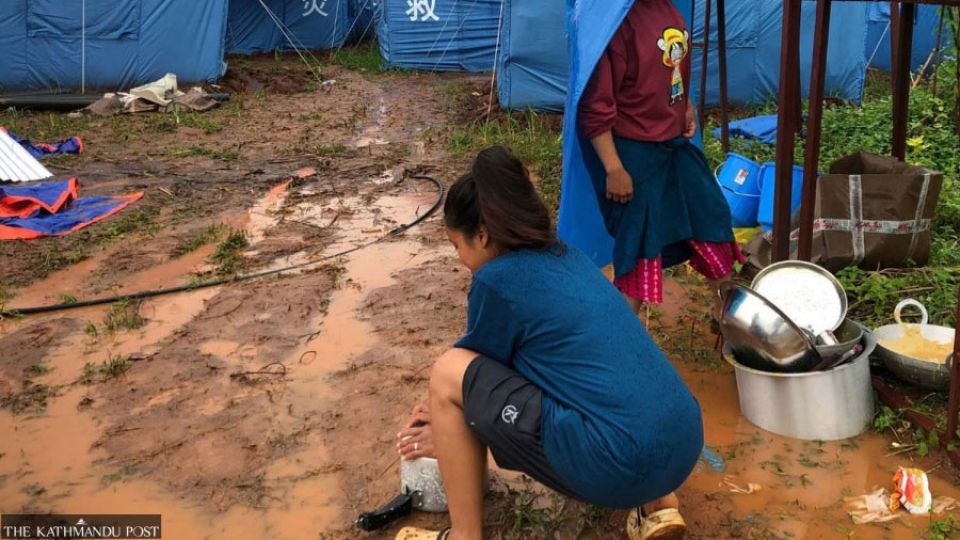
Fresh waves of heavy rain have worsened conditions for hundreds of displaced families sheltering in makeshift camps across central Nepal, weeks after catastrophic flash floods struck the region in late August.
Across the severely impacted districts of Rasuwa and Nuwakot, a low-pressure system originating over the Bay of Bengal has brought days of uninterrupted downpours. In settlements such as Pipaltar, Dhunge, and Bandre, flimsy tarpaulin shelters have buckled under the deluge, letting water pour onto sleeping mats, blankets, and personal belongings.
Sleepless Nights in Waterlogged Camps
Many survivors have resorted to rigging secondary tarps over their shelters, but the continuous rainfall has transformed the earth beneath them into thick sludge. For parents and caregivers, the wet conditions have made restful sleep almost impossible.
Temba Tamang, who was displaced from the village of Khalte and now stays at a relief center in Pipaltar, described the nightly ordeal: while his two young children share the single cot provided by aid workers, he sleeps on the damp ground. Tamang was separated from his children during the disaster and was only reunited with them days later; his wife remains among those lost to the floodwaters.
Similar struggles persist throughout the temporary sites. At the Lito holding facility in Nuwakot, families report that damp clothing and saturated bedding are raising health alarms, especially for newborns, nursing mothers, and elderly residents. With the sun hidden behind persistent cloud cover, drying laundry is nearly impossible, leaving many reliant on sparse handouts.
Basic Survival Complicated by Weather
The persistent damp has also paralyzed daily routines like cooking. While some relief groups have distributed electric induction cooktops, the absence of power wiring inside individual tents forces families to rely on shared kitchens or attempt to ignite sodden firewood outside in the rain, often filling the shelters with choking smoke.
The wet weather has simultaneously stoked anxiety over renewed landslides along unstable hillsides and riverbanks. Lingering mud and deteriorated roads have made it harder for vulnerable residents to travel to local administrative offices to secure aid vouchers or relief rations.
A Frantic Search for Stability
Many displaced residents are desperate to leave the camps entirely, scouring surrounding towns for rental rooms despite possessing little money. Pemba Dechen Tamang, who is seven months pregnant and lost 13 relatives—including her husband—in the disaster, said she has been continually turned away because local accommodations are entirely full.
District administrators have urged families to remain at designated holding shelters while long-term housing solutions are arranged. Officials in Rasuwa stated that candidate sites for permanent resettlement have been submitted for cabinet-level approval. Dharam Raj Uprety, head of Nepal’s National Disaster Risk Reduction and Management Authority, confirmed that authorities are evaluating both public and private plots across the affected corridors to establish secure communities, noting that legal frameworks would be adjusted if necessary to expedite land transfers.
For those shivering under leaking plastic sheets, however, bureaucratic progress offers little immediate warmth against the mounting chill.