Philippine Senate Court Lets Prosecutors Drop Three of Four Charges Against VP Sara Duterte
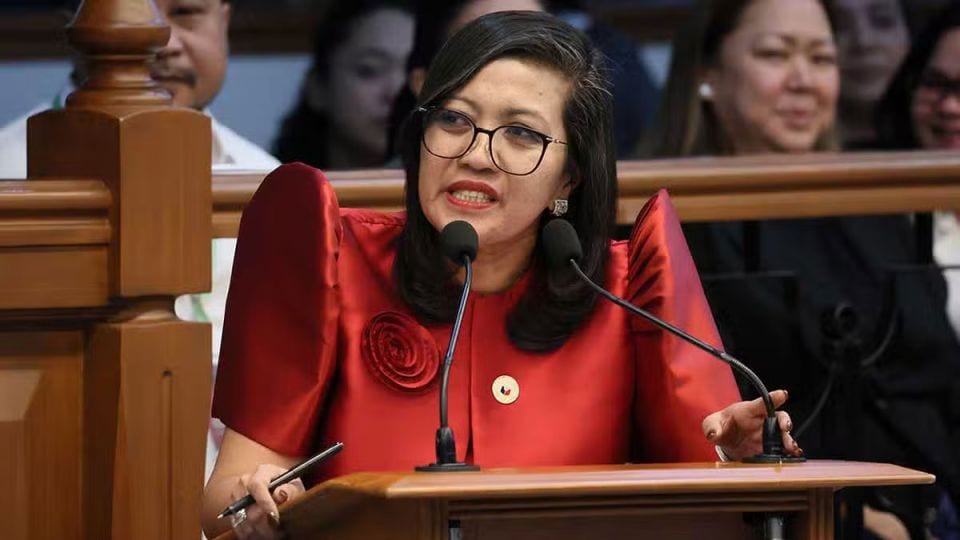
The Senate impeachment court on Tuesday approved a request from the House prosecution panel to withdraw three of the four articles of impeachment against Vice President Sara Duterte. The only remaining basis for the trial is the accusation of unexplained wealth and failure to disclose assets.
Presiding officer Francis “Chiz” Escudero granted the withdrawal of Articles 1, 3 and 4 after lead prosecutor Gerville Luistro, a representative from Batangas, announced the panel’s decision. The move came after 38 days of trial.
The dropped articles covered alleged misuse of confidential funds, bribery, an assassination plot, grave threats and inciting to sedition. Article 2, which remains, accuses Duterte of amassing unexplained wealth, leaving assets off her statements of assets, liabilities and net worth, and failing to divest from business interests.
Luistro said the prosecution considered its evidence on Article 2 strong enough to justify removing Duterte for culpable violation of the Constitution and betrayal of public trust. She argued that focusing on that article was the most sensible course given the evidence and the prosecution’s duty to the country.
The decision followed the testimony of forensic financial analyst Alexander Cabrera, the prosecution’s final witness, who finished his account of the financial allegations a day earlier. Cabrera told the court that Duterte’s unexplained wealth could amount to as much as P1.5 billion.
Lead defense counsel Sheila Sison warned that letting the prosecution withdraw charges could prevent Duterte from answering evidence that has already been aired publicly. She said this could violate due process and lead to a mistrial, particularly if the withdrawal was meant to speed the case toward a verdict. Sison argued that prosecutors cannot decide on their own which accusations the defense may answer after evidence has already been presented. In her view, the prosecution cannot enjoy the benefit of its accusations without having them tested.
Sison added that the defense would continue presenting its evidence regardless of the prosecution’s move, and that it would not change the defense’s strategy. She said the public had already heard the accusations through witnesses and evidence, leaving Duterte at risk of losing the chance to challenge them.
No vote on the withdrawn articles
Escudero set different terms for each withdrawn article. Articles 1 and 4, whose evidence had already been fully presented, were withdrawn with prejudice, meaning they cannot be revived or refiled against Duterte during the 20th Congress. Article 3, dropped before any evidence was introduced, was withdrawn without prejudice, but it cannot be revived in the current trial.
No vote or verdict will be taken on the three articles, and Duterte will not have to present an evidentiary defense against them. Evidence tied to the withdrawn charges will stay in Senate custody, subject to access controls, privacy safeguards and watermarking.
Dispute over public statements
Escudero lifted the sub judice restrictions under Rule 18 for the three withdrawn articles, allowing the parties, including Duterte, to discuss those allegations publicly. The restrictions remain in place for Article 2, which is still pending.
Escudero said Duterte should be free to explain her side and defend her reputation outside the courtroom, since she no longer has to answer evidence on the withdrawn charges during the trial. He stressed, however, that the ruling does not permit unrestricted release of evidence or override confidentiality rules, protective orders, legal privileges, statutory secrecy requirements or witness-protection measures.
Senator-judge Pia Cayetano objected to lifting the restrictions while the court was still weighing a request to reconsider. She said that keeping the existing rules in place would make more sense while the parties presented their positions, rather than allowing an open period in which anything goes.
Escudero responded that he did not want Duterte barred from answering allegations both inside and outside the courtroom. Senator-judge Francis “Kiko” Pangilinan then moved to reconsider the lifting of the restrictions. Escudero placed the motion under advisement and said the court would act after the defense clarified Duterte’s position, possibly within the week.
Defense spokesperson Michael Poa warned that a gag order issued by a regional trial court in a separate grave-threats case could stop Duterte’s camp from publicly discussing the allegations covered by Article 4. Escudero said the court could apply different restrictions to each article rather than treating all three the same way, adding that the rules did not have to be all or nothing.
Minority leader calls the move unfair
Senate Minority Leader Alan Peter Cayetano compared the withdrawal to a fistfight in which one fighter lands a punch and then tells the other not to hit back. He questioned the prosecution’s claim that dropping the articles would save time and public resources, arguing that prosecutors could have focused on the unexplained wealth allegations from the start.
Cayetano also asked how the defense could meaningfully answer the withdrawn charges through press conferences or Facebook livestreams when it has no power to compel witnesses to take part. He described impeachment as both a legal and political process that can seriously damage the reputation of the official facing removal. He said the Senate should put fairness and due process ahead of a rushed conclusion, noting that the Constitution sets no deadline for finishing the trial.
He further pointed to the Senate’s heavy legislative agenda, including deliberations on the proposed 2027 national budget, along with concerns about a looming super El Niño, unfinished flood control projects and the state of the economy.
Dispute over the word “persecution”
The hearing also saw a clash between Luistro and Sison over the defense’s repeated use of the word “persecution.” Sison used the term while discussing the scheduled resumption of hearings on November 9. Luistro asked that the word be struck from the record, arguing it was unfair to volunteer lawyers who had set aside their private practices to help the prosecution. She also accused the defense of ignoring courtroom decorum and courtesy.
Sison countered that the word appeared in Duterte’s answer to the impeachment complaint, which described the proceedings as “modern-day persecution.” Escudero denied the prosecution’s motion, ruling that the term reflected the respondent’s view of the complaint and was not, on its own, an improper attack on the prosecution.