Relocated Pursat Families Gain Safety but Struggle to Make a Living
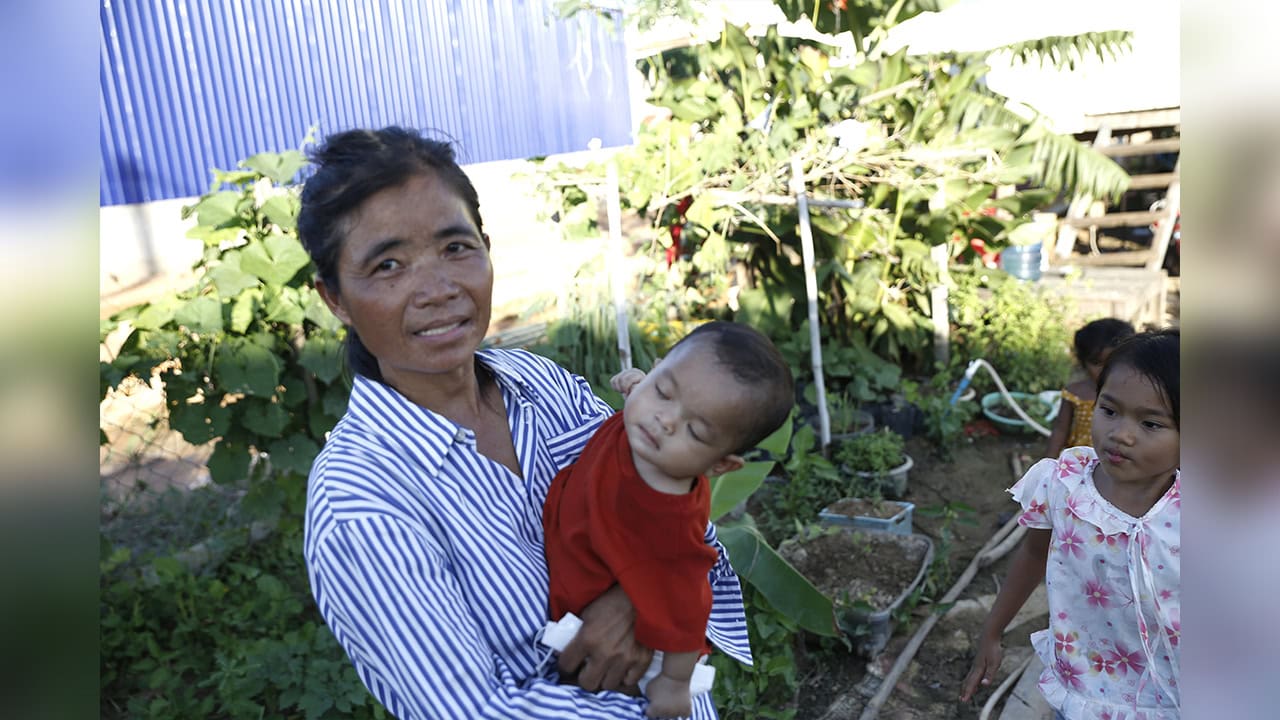
Six months after leaving makeshift homes along the Pursat River for a newly built residential area, some families say they now feel safer from floods, riverbank erosion and the threat of eviction. Their new worry is money. Business has slowed sharply, and many households are finding it hard to earn enough to get by.
The new settlement is in Boeung Yea village, in Veal commune of Kandieng district. Families who were allocated plots have access to roads, water and electricity. Not everyone has moved in yet, though, so the community is quiet and has far less commercial activity than the riverside neighbourhoods the families left behind.
A Safer Home, Uncertain Income
Ek Sophon, one of the relocated residents, said her family had lived on the riverbank without any formal land papers. Flooding and erosion were constant problems, and they never knew when they might be told to leave. “We had no title, so we were always anxious about being moved on,” she said.
Sophon says the move has brought her real peace of mind. She no longer lives in fear of floodwaters or of being forced out of her home. Her plot measures 5 by 20 metres, or 100 square metres, and was assigned by lottery. Local authorities helped prepare the land and provided some building materials. She has not yet received an official land title, but she hopes the property will give her children and future generations a more secure base.
The move has also made life easier for her child, who has a disability. At the riverside, rising water made it hard to get around and provide daily care. On the firmer ground of the new site, with its road access, the child can move about in a wheelchair far more easily.
Few Customers, Few Opportunities
Physical safety has not translated into a better income. Sophon’s family still depends on small-scale trade, but there are few buyers. Relatively few households have settled in the area, and it is far from busy markets. “It’s isolated, so business is tough. Sales are very slow. I’m older now and can’t go looking for other work or travel to market. Finding customers is the hardest part,” she said.
She also pointed out that although the settlement has water and electricity, it has no school or hospital. “We have water and power, but we can’t sell much because there aren’t enough people here,” she added.
For another resident, Thorn Theary, the situation is even more pressing. A widow and mother of four daughters, she also looks after several young grandchildren. She moved to the settlement about six months ago but is in severe financial hardship. At her old home she earned money selling sugarcane juice and other drinks. Since the move, she has no capital to restart that business and now relies on growing a few vegetables.
Caring for the children has become increasingly difficult, especially because her daughters cannot help on a regular basis. Theary said there have been days when the family had little more than rice with soy sauce to eat. “I have to take the children to school and keep the house running, and some days there is simply no food. It’s very hard, and I don’t know what to do,” she said.
Authorities Point to Progress
Commune chief Sin Sophea explained that the project moved residents away from makeshift structures along the river, many of which were in poor condition or exposed to danger. It also allows the authorities to redevelop the riverfront. The settlement was initially built on former rice fields, including 3.75 hectares of state land. The provincial administration later acquired more, bringing the total to over 10 hectares.
Sophea said nearly 200 families have registered for plots, though not all have moved in. Families with nowhere else to go generally relocated first, while others are staying with relatives for the time being. Local officials are working to organise the settlement, maintain security and promote sanitation, although he acknowledged that development is still incomplete. “My job right now is to keep order and make sure everyone is safe, because not everything is finished yet. We want residents to have a clean, healthy and peaceful place to live,” he said.
Pursat Governor Khoy Rida has previously described moving riverbank residents as one of the province’s toughest tasks in its drive to improve urban order and the appearance of the provincial town. He called resolving the riverside settlement issue a historic achievement. He stressed that relocation should be carried out by explaining the reasons and negotiating with residents, not by force. “We explain why it is necessary, and then we make the arrangements,” he said.
For Theary, a new home has not yet solved the immediate problem of feeding her grandchildren. Sophon, meanwhile, is waiting for more families to move in so that her business can recover. Despite the hardships, she remains hopeful. “I hope to build a stable life here, especially for the next generation,” she said.
For families starting over on newly allocated land, long-term security depends not only on having a safe place to live but also on being able to earn a steady living.