Siem Reap Dog Meat Ban Still Flouted, Animal Charity Warns
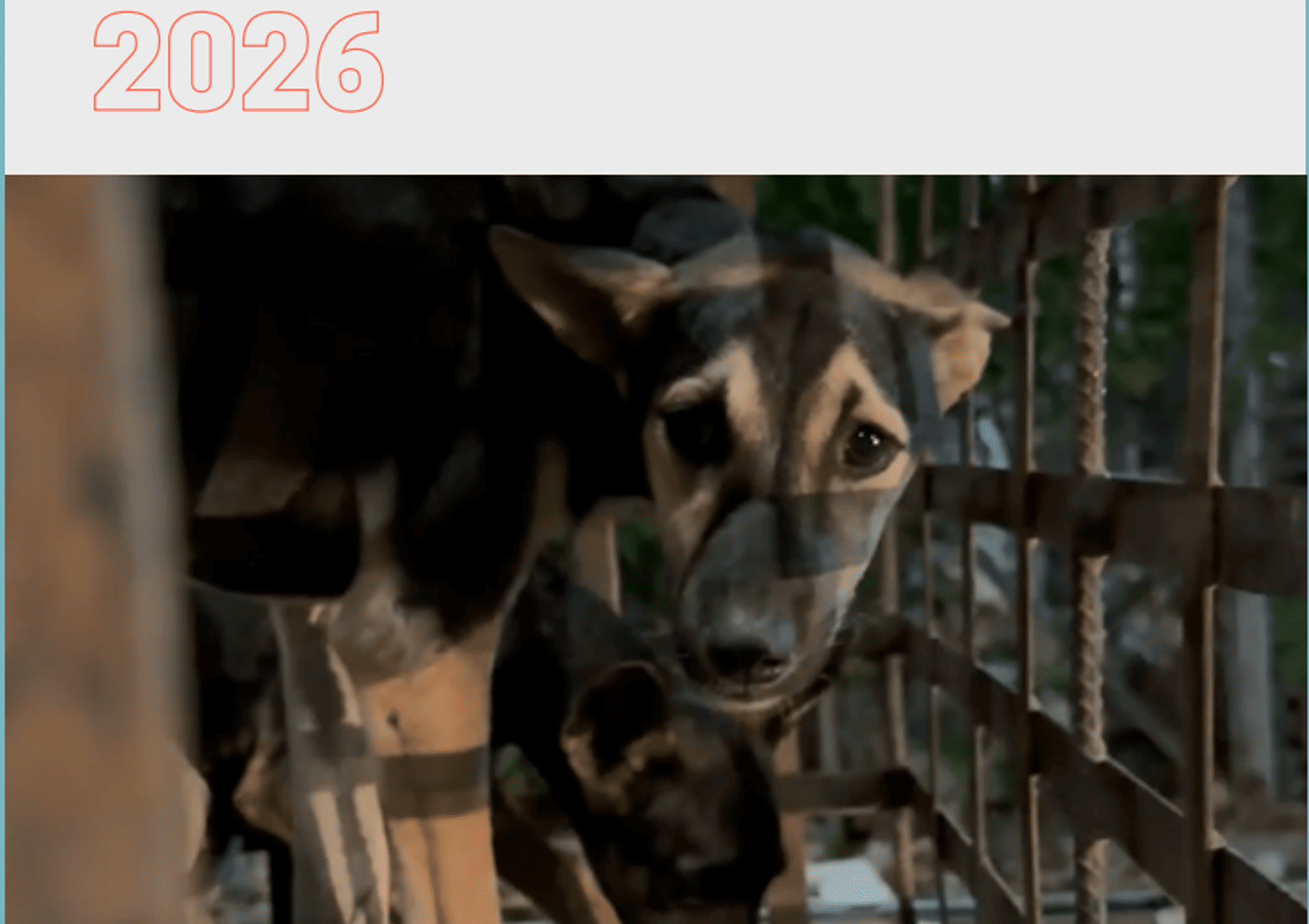
Dog meat has been banned in Siem Reap since 2020, but an animal welfare organisation says it remains available to some customers, often under the euphemism “special meat.”
In a new report, Animals of Our World, a charity registered in the United Kingdom and an NGO registered in Cambodia, urges authorities to step up enforcement of the Siem Reap ban, extend it across the country, and introduce education, vaccination and livelihood programmes.
The 2026 report names nine Siem Reap restaurants that it says continue to serve “sach chkae,” the Khmer term for dog meat. Investigators also recorded suspected slaughter sites, trading points and distribution facilities, all of which they said operated with little regard for the law.
The report aims to put evidence of the ongoing trade before the Siem Reap Department of Agriculture, Forestry and Fisheries, the body responsible for enforcing the ban. It also proposes ways to address animal cruelty, public health risks and possible damage to Cambodia’s international reputation.
“Our investigation has found that the illegal dog meat trade is still visible in the province in 2026,” the report says, flagging Cambodia’s high rabies burden as a serious concern.
The probe was launched after the group suspected the 2020 ban had not effectively ended the trade. Researchers found that restaurant owners, customers and tuk-tuk drivers were willing to discuss or arrange access to establishments selling dog meat, and several restaurants openly displayed signs advertising “special meat.”
The organisation says it admires the compassion, culture and resilience of the Khmer people and notes that 90 per cent of Cambodians support a ban on what it calls a dangerous, violent and cruel practice. It stresses that it does not wish to interfere with another culture or rank one species above another, but says it is ready to work with provincial leaders to reduce needless suffering and disease among both people and animals.
Investigators identified around eight vehicles, most without licence plates, and six workers who they say supply the majority of Siem Reap’s dog meat restaurants. Three of the establishments found during the 2026 investigation were already operating before the ban, which the group takes as evidence that enforcement has failed to eliminate parts of the trade.
The report describes cruelty during the capture and transport of dogs. It features a rescued dog named Bud, whose snout had been tightly bound with metal wire, causing severe injuries. It also raises concern about children being exposed to violence linked to dog trafficking.
Public health concerns
The group links the issue directly to public health. It estimates that about 800 people die from rabies in Cambodia each year, and warns that the true toll may be higher. Citing research, it notes that dog bites account for 99 per cent of rabies cases. The kingdom has reportedly announced plans to eliminate rabies by 2030.
Five recommendations
- Education programmes in schools and communities on responsible pet ownership, rabies prevention and safe interaction with animals, along with information to counter health myths about dog meat and reduce demand.
- Stronger law enforcement, combined with support for people who want to leave the trade.
- Backing from provincial authorities for catch, neuter, vaccinate and release (CNVR) campaigns. The group argues that mass vaccination and sterilisation must accompany enforcement to control rabies and reduce suffering.
- Extending Siem Reap’s dog meat ban across Cambodia.
- A positive public information campaign highlighting alternative jobs, rabies prevention and the importance of obeying the law.
Animals of Our World says its approach focuses on public health, animal welfare and practical cooperation rather than cultural criticism. It reports that 94 per cent of Cambodians do not consider dog meat part of the country’s culture.
The group calls for authorities, animal welfare groups and local communities to work together to enforce the existing law, prevent rabies and develop alternative livelihoods for those whose income depends on the trade.