South Korea Summons Ukrainian Diplomat Over North Korean POW Transfer Disclosure, Seeks Apology
South Korea called in Ukraine's acting ambassador on Monday to express strong objections to Kyiv's public revelation that two North Korean prisoners of war had been sent to South Korea, saying the disclosure violated a mutual agreement to keep the transfer secret.
First Vice Foreign Minister Park Yoon-joo met with Andrii Vieshkin, Ukraine's chargé d'affaires in Seoul, at the Foreign Ministry on Monday afternoon. Park conveyed what the ministry described as a "grave position" on the matter.
Seoul accuses Kyiv of breaking confidentiality pact
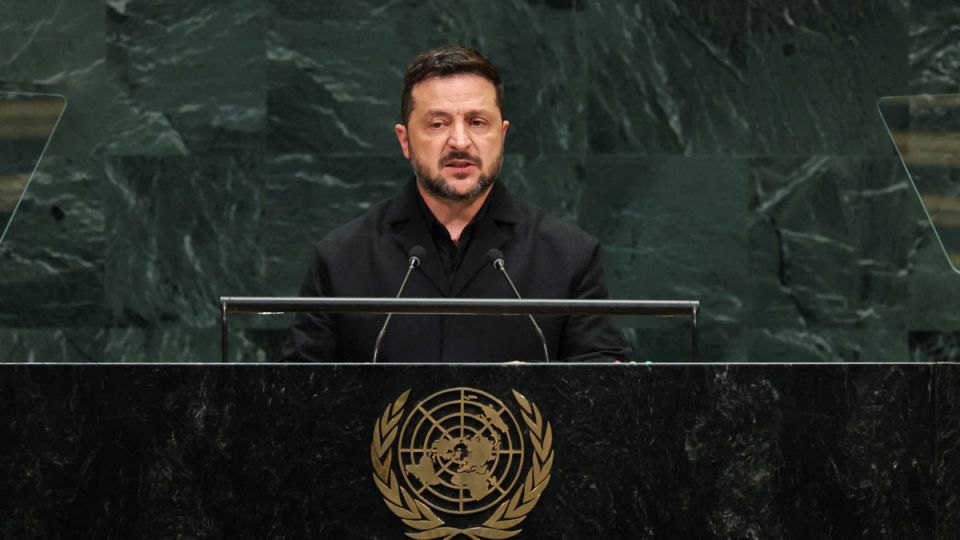
Park told the Ukrainian diplomat that Seoul was deeply disappointed that the transfer had been made public during President Volodymyr Zelenskyy's speech at the United Nations General Assembly, without adequate prior consultation or coordination with South Korea. The South Korean government maintains there was a clear mutual understanding that the information would remain confidential.
Park also pushed back against a subsequent statement from Zelenskyy's office denying any such confidentiality agreement existed, calling the denial untrue. He warned that Ukraine's position had "seriously undermined trust between the two governments" and could harm the broader bilateral relationship.
South Korea demanded a formal explanation and apology from Kyiv for both the disclosure and the denial, and urged Ukraine to ensure nothing similar happens again. Vieshkin said he would relay Seoul's position to his government in full, according to the ministry.
How the dispute unfolded
The row centers on two North Korean soldiers captured by Ukrainian forces in Russia's Kursk region in 2025. The soldiers had been fighting alongside Russian forces and later indicated they wanted to go to South Korea.
Zelenskyy revealed their transfer during his UN General Assembly address in New York last Wednesday, stating: "Recently, we sent two North Korean prisoners of war to the Republic of Korea."
South Korean officials initially refused to confirm the soldiers' arrival, citing risks to their safety and that of their families still in North Korea. Seoul said it had been working with Ukraine and other parties to handle the situation in line with international law and humanitarian norms.
Presidential-level criticism from Seoul
President Lee Jae Myung voiced his frustration publicly, writing on X that both sides had agreed not to disclose the transfer given its diplomatic, security, and humanitarian implications. He said Ukraine had broken that agreement.
The Ukrainian presidential office countered by denying any secrecy pact had been made between the two governments.
Seoul's presidential office escalated its rhetoric over the weekend, claiming it was actually Ukraine that had first requested confidentiality during earlier consultations. Senior presidential secretary Seong Ghi-hong said Kyiv had expressed concern that going public could provoke domestic criticism in Ukraine — specifically, accusations that the government had squandered a chance to trade the North Korean soldiers for Ukrainian POWs held by Russia.
The presidential office accused Ukraine of then disclosing the transfer without proper coordination and lying about the confidentiality arrangement. It said Seoul was weighing additional steps in response.
The two soldiers are believed to be the first North Korean troops captured during the Russia-Ukraine war to have been transferred to South Korea at their own request.