Ukraine Disputes South Korea's Account of Agreement on North Korean Prisoner Handover
A diplomatic dispute has emerged between Ukraine and South Korea over conflicting accounts of whether the two nations had agreed to maintain secrecy regarding the transfer of two North Korean prisoners of war to Seoul.
Dmytro Lytvyn, a communications adviser to Ukrainian President Volodymyr Zelenskyy, firmly rejected South Korea's assertion that an understanding existed to keep the prisoner transfer confidential. Speaking on Friday, Lytvyn stated unequivocally that no such arrangement had been made and emphasized that concealing information about the location of specific detainees would be inappropriate.
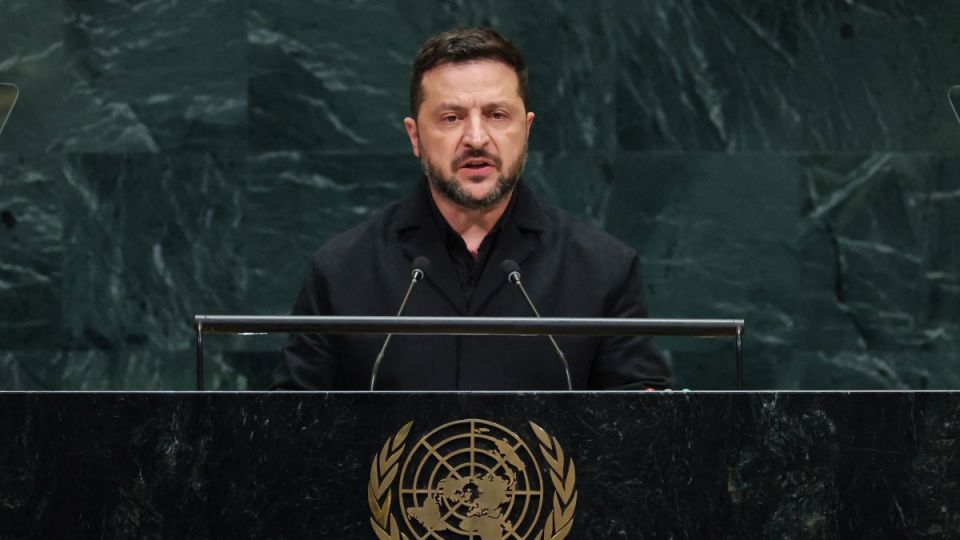
The controversy began after Zelenskyy publicly disclosed the transfer during his address to the United Nations General Assembly on Wednesday. The two North Korean soldiers had been captured by Ukrainian forces while fighting for Russia.
South Korean President Lee Jae Myung responded on Thursday via social media, claiming that both governments had mutually decided to keep the matter private due to various potential complications that public disclosure might create. Lee characterized this confidentiality decision as both sensible and warranted, while expressing disappointment that Ukraine had seemingly broken the alleged agreement.
In his statement, Lee also made pointed remarks about individuals who would compromise human lives and national interests for personal advancement, suggesting he could have boosted his own popularity by announcing the transfer himself but chose not to.
When pressed about the presidential office's response to Ukraine's denial, a South Korean official stated anonymously that the government would handle the matter according to established principles, including respect for the prisoners' preferences, adherence to domestic and international legal frameworks, and humanitarian considerations.
The conflicting narratives have prompted calls from South Korean lawmakers for transparency. Park Sung-hoon of the opposition People Power Party demanded that the Lee administration clarify key details including when confidentiality was decided, who made the decision, what violations Ukraine allegedly committed, and why secrecy was deemed necessary for prisoner safety.
Park criticized the lack of clarity, noting that with one side claiming a broken agreement and the other denying any agreement existed, the government must reveal the actual facts rather than engaging in accusations. He also suggested President Lee's reaction seemed disproportionate.
Meanwhile, Park Jie-won of the ruling Democratic Party criticized the government for failing to justify keeping the transfer secret on humanitarian grounds and for not properly informing the party about the situation.